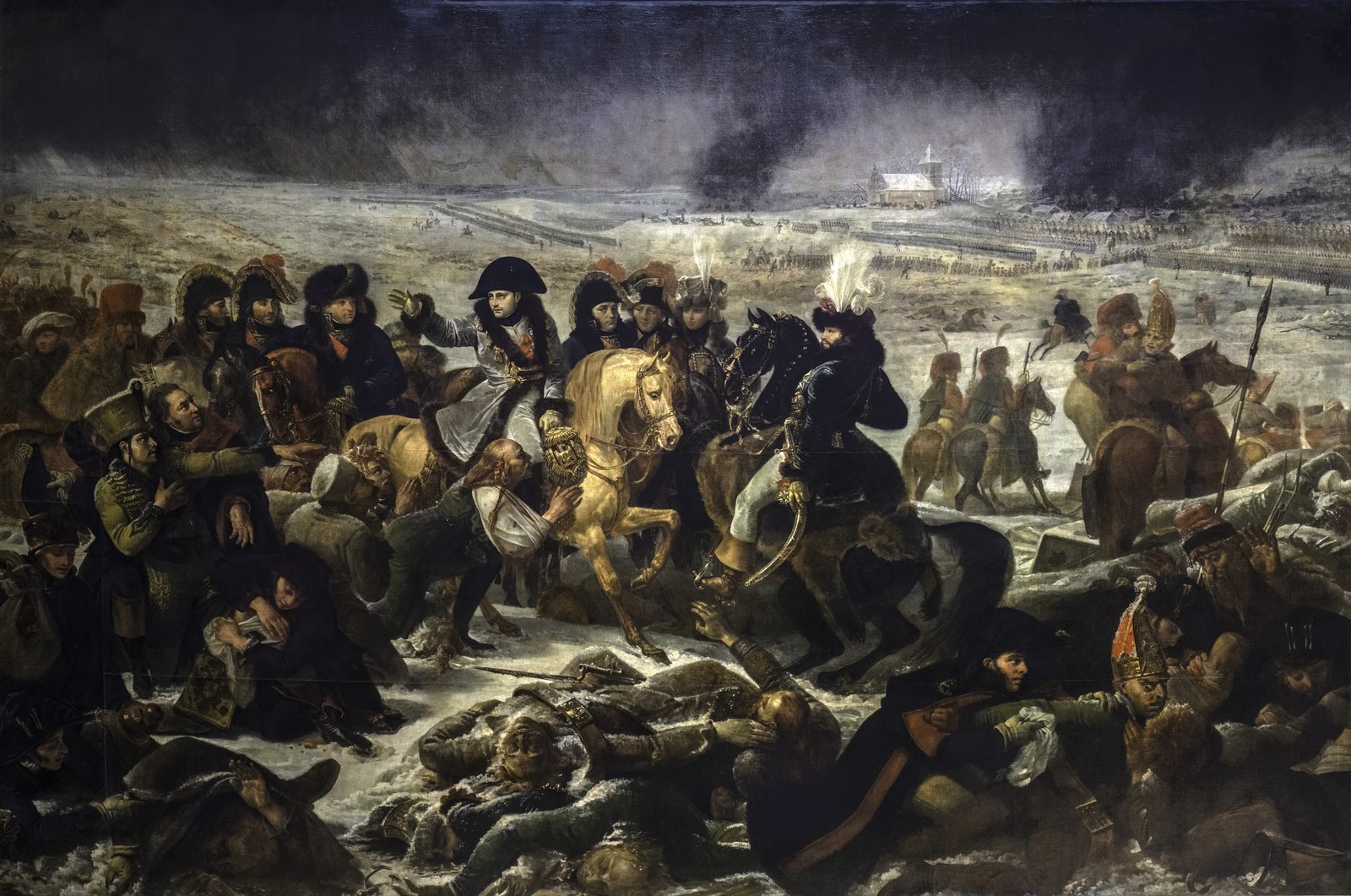
Austerlitz, Jena — Napoleon had stacked up victory after victory with a method built on "making the enemy move." Yet on 8 February 1807, on the snowfields of East Prussia, that method spun its wheels for the first time. A blizzard stripped away all visibility, and Augereau's corps blundered into the enemy's massed batteries in the snow and was half-destroyed within minutes. The Russians would not break, and pursuit was impossible. Murat's charge of roughly 11,000 horse barely averted collapse — but that was survival, not victory. Eylau was the first day Napoleon's method failed to deliver a decision, and it cut the first deep wound into the myth of invincibility.
1. Key Facts
- Date
- 8 February 1807incl. the skirmishing of the 7th
- Location
- Preussisch Eylaunow Bagrationovsk, Russia
- Belligerents
- France vs. Russia + PrussiaFourth Coalition
- Result
- Indecisive bloodbathFrance held the field (nominal victory)
Note: in this article the French are shown in blue and the Russo-Prussian allies in red.
Strength (total, incl. reinforcements)
roughly even
Artillery
Ru/Pr advantage
Casualties (severe on both sides; figures vary)
approx. 40,000–50,000 combined
| Category | France | Russia & Prussia |
|---|---|---|
| Supreme command | 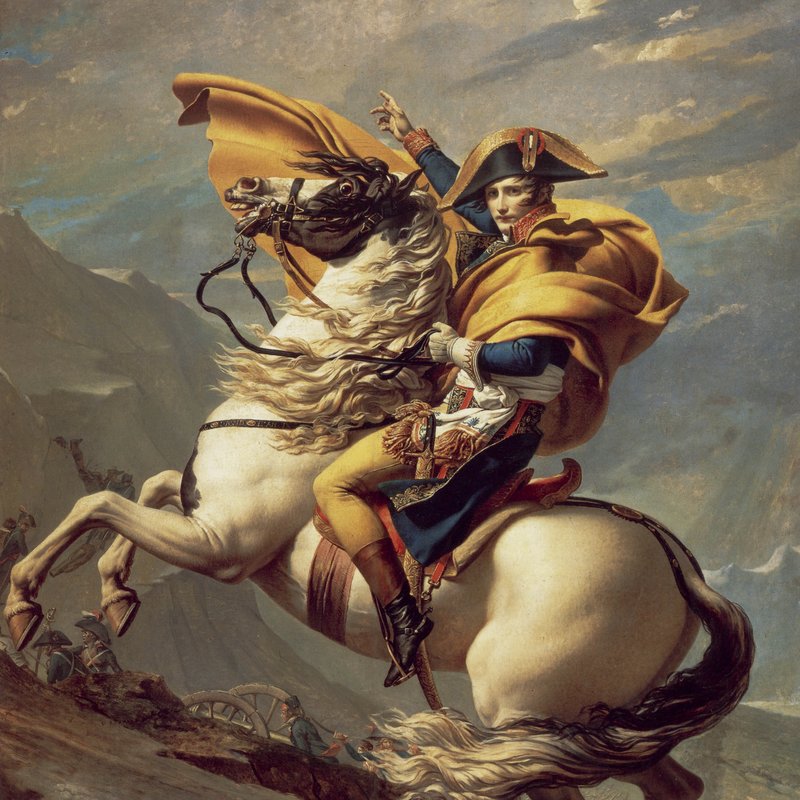 NapoleonEmperor, 37 NapoleonEmperor, 37 |
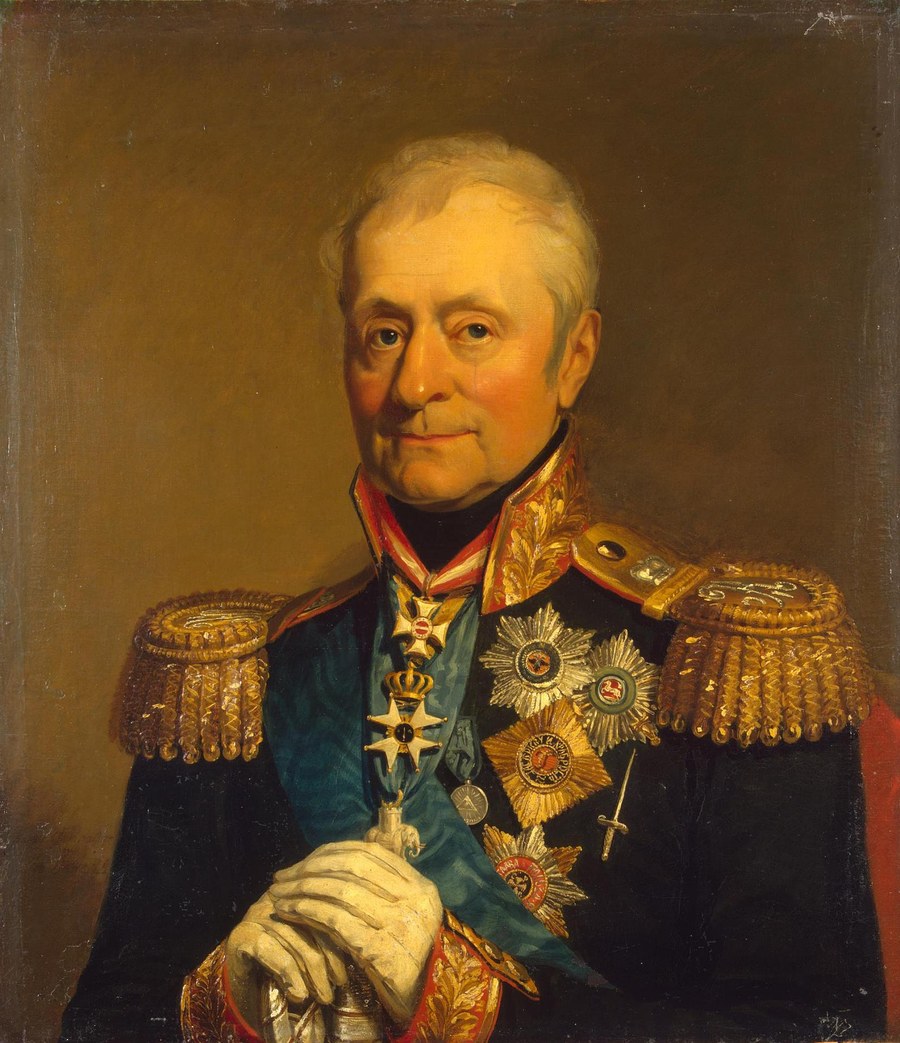 BennigsenRussian C-in-C, 61 BennigsenRussian C-in-C, 61 |
Note: for the corps-level chain of command, see §3 The Two Armies.
2. Strategic Background: The Polish Campaign of Mud and Snow
Even after Jena–Auerstedt (October 1806) shattered Prussia in a single day, the war did not end. Prussia's ally Russia remained in the field, and the theater shifted into the winter of Poland and East Prussia.
What decided this campaign was not the enemy but the weather and logistics. Clinging mud, freezing cold, and a shortage of food drained away the very thing that was France's lifeline: mobility[2]. Among the troops a mocking little ditty is said to have gone around — "Bread? None. Water? Right away (if mud will do)." The speed that had made the lightning campaigns of Austerlitz and Jena possible simply could not be generated in the snow.
The battle came about by accident. Bennigsen pushed north to strike France's isolated left wing (Bernadotte's corps). Napoleon laid a trap, but a courier was captured and the orders were exposed, so Bennigsen, sensing the encirclement, withdrew[4]. Realizing he could not keep running, Bennigsen finally turned at Eylau and accepted battle — and both armies, neither fully prepared, collided in the snow.
3. The Two Armies: Even Numbers, Russian Superiority in Guns
French Army
-
Supreme command
Napoleon (Emperor, 37)
-
The early hours (holding the line and the carnage)
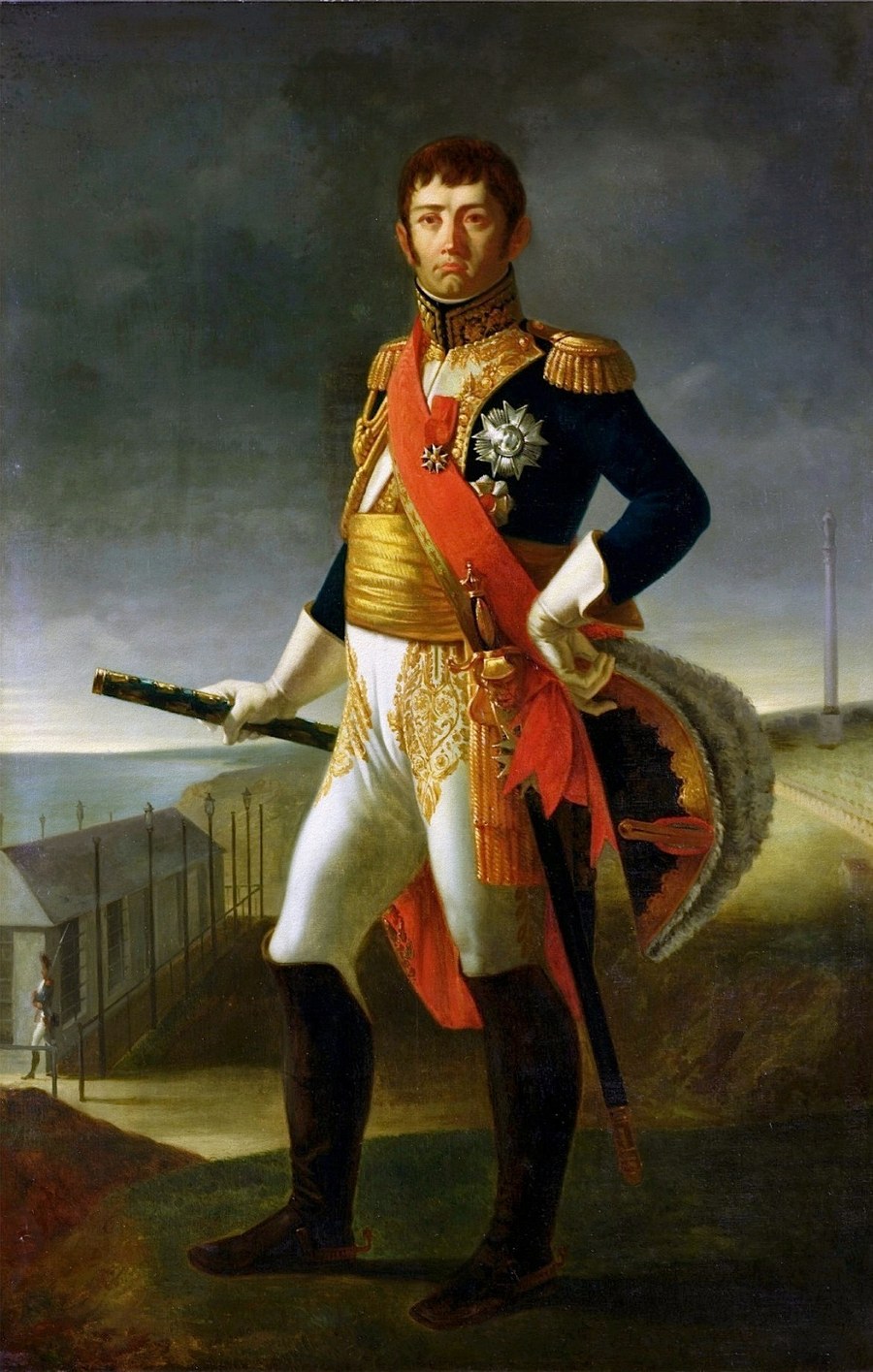 Soult (IV Corps, 37)
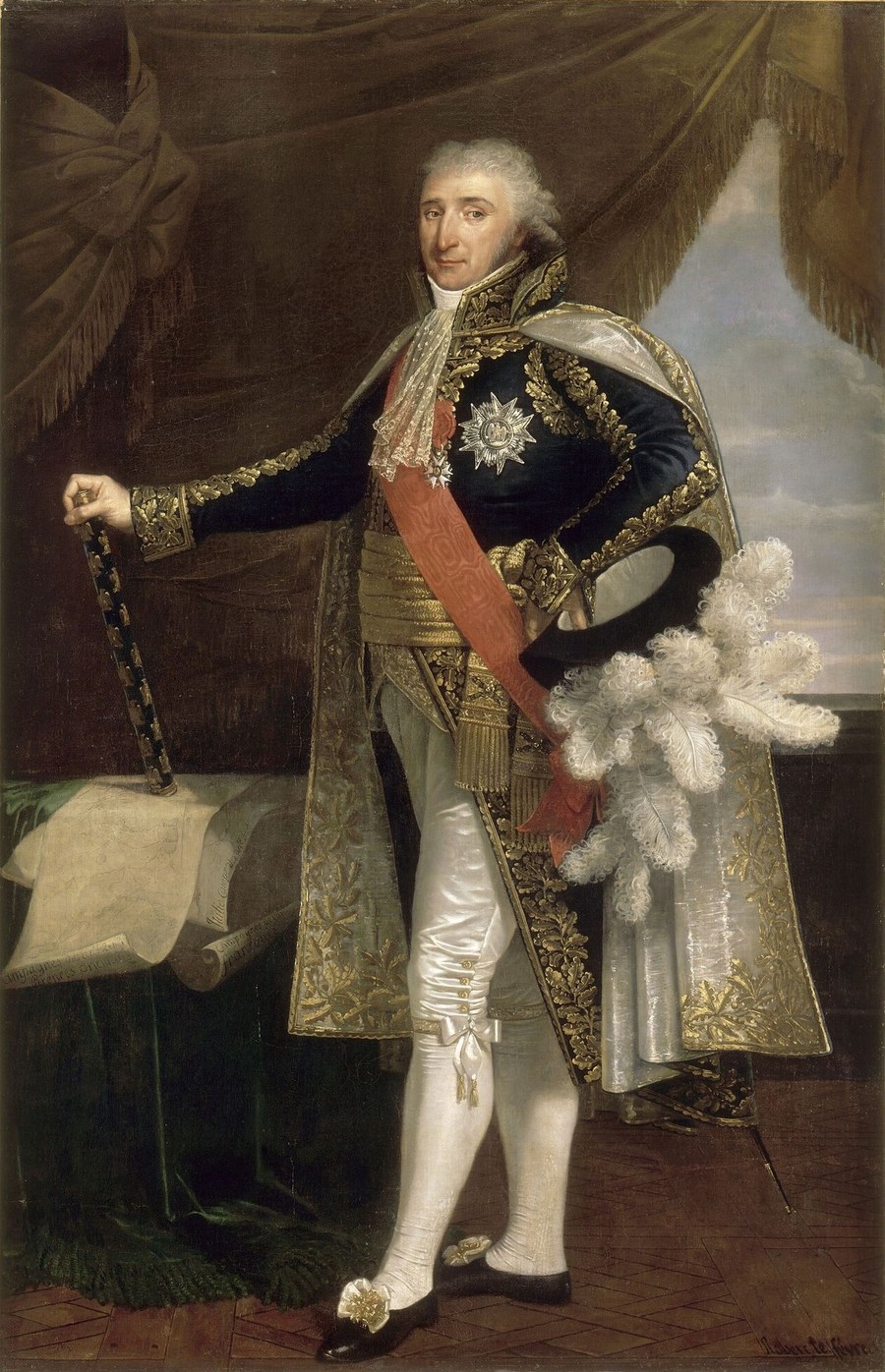 Augereau (VII Corps, 49 / half-destroyed in the snow)
-
The cavalry that saved the day
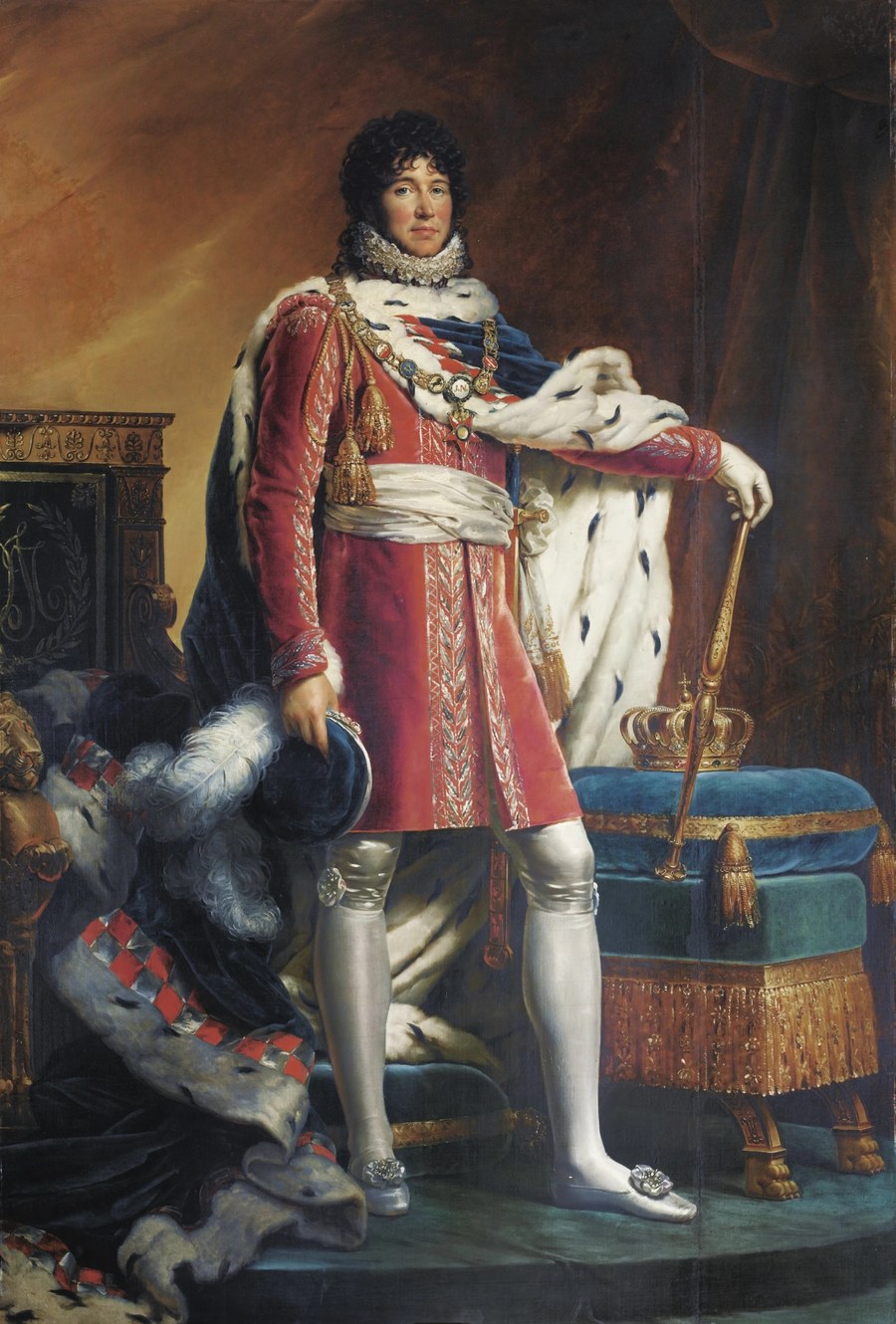 Murat (Cavalry Reserve, 39)
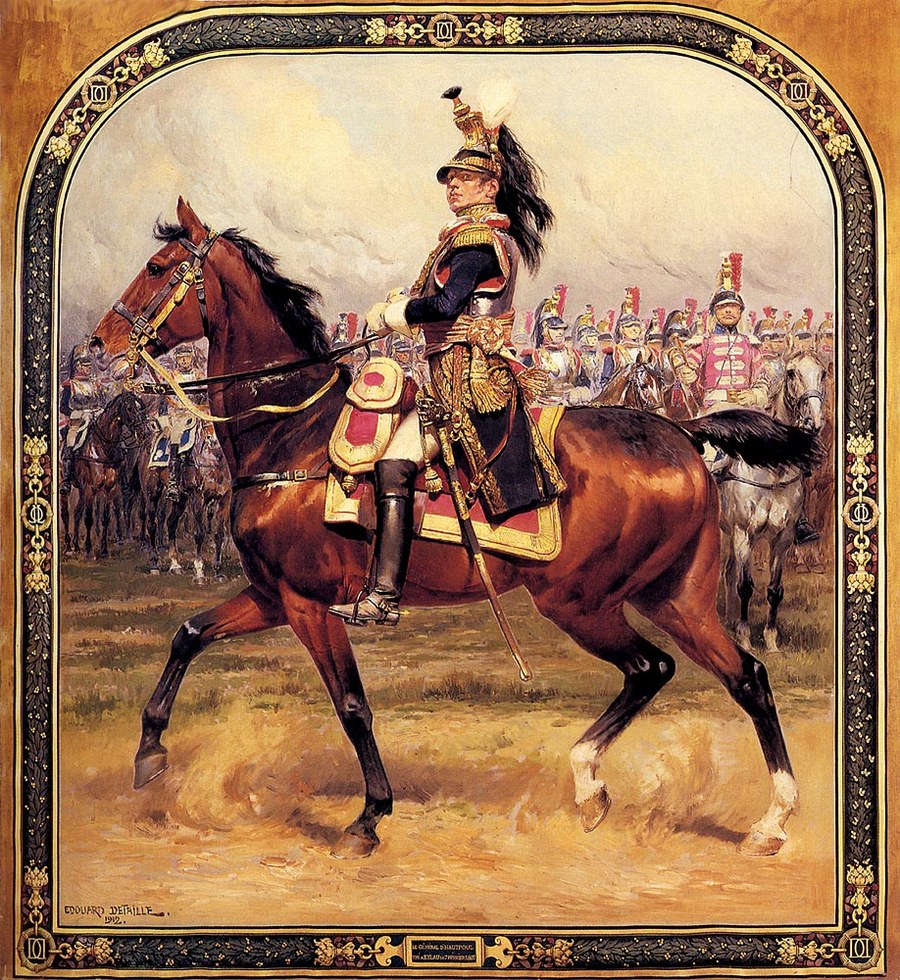 d'Hautpoul (cuirassiers, 52 / killed)
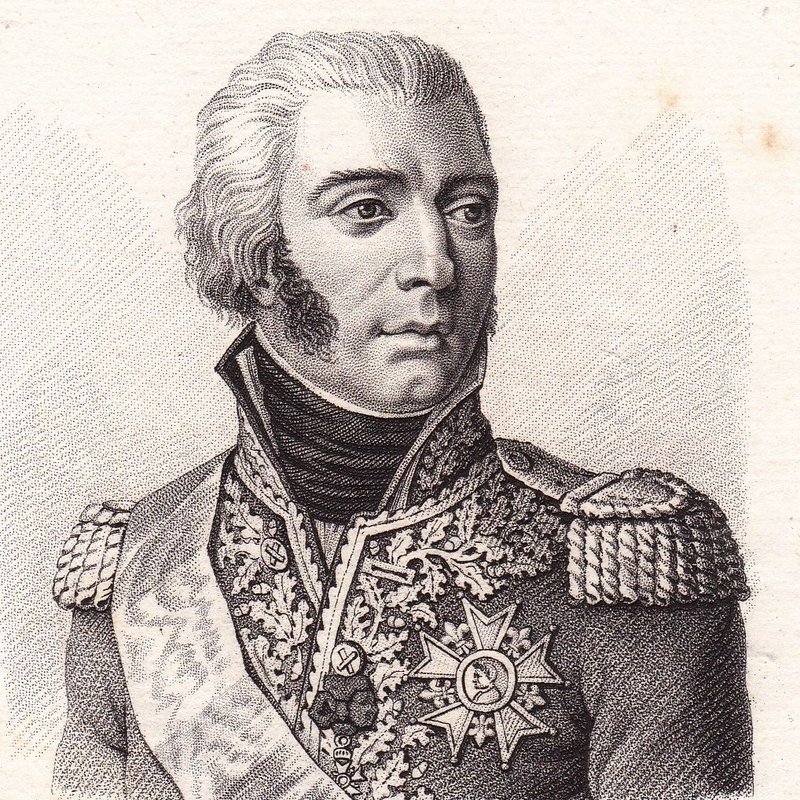 Bessières (Guard cavalry, 38)
-
Flank and late arrival
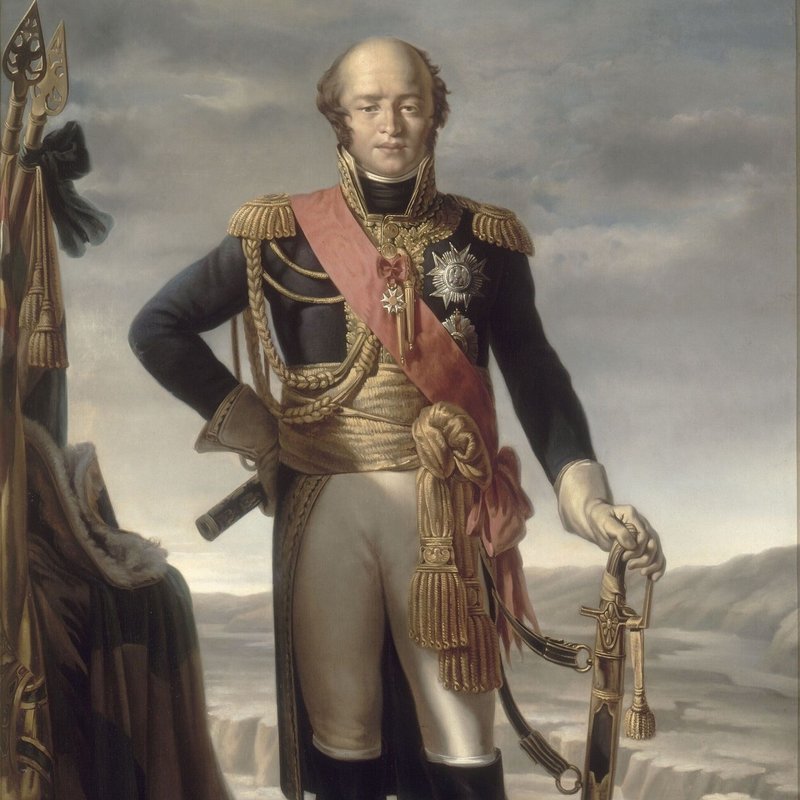 Davout (III Corps, 36 / pressed the Russian left)
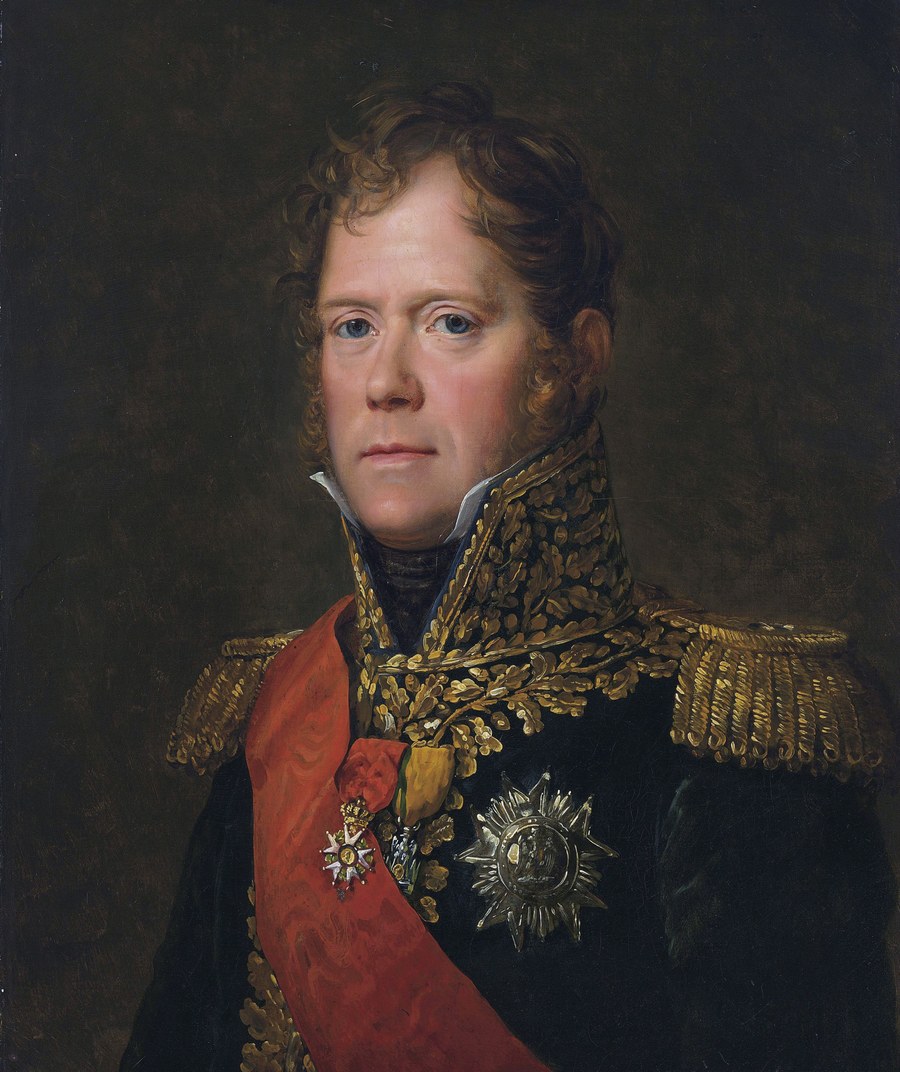 Ney (VI Corps, 38 / arrived at dusk)
Russo-Prussian Allies
-
Commander-in-chief
Bennigsen (Russian C-in-C, 61)
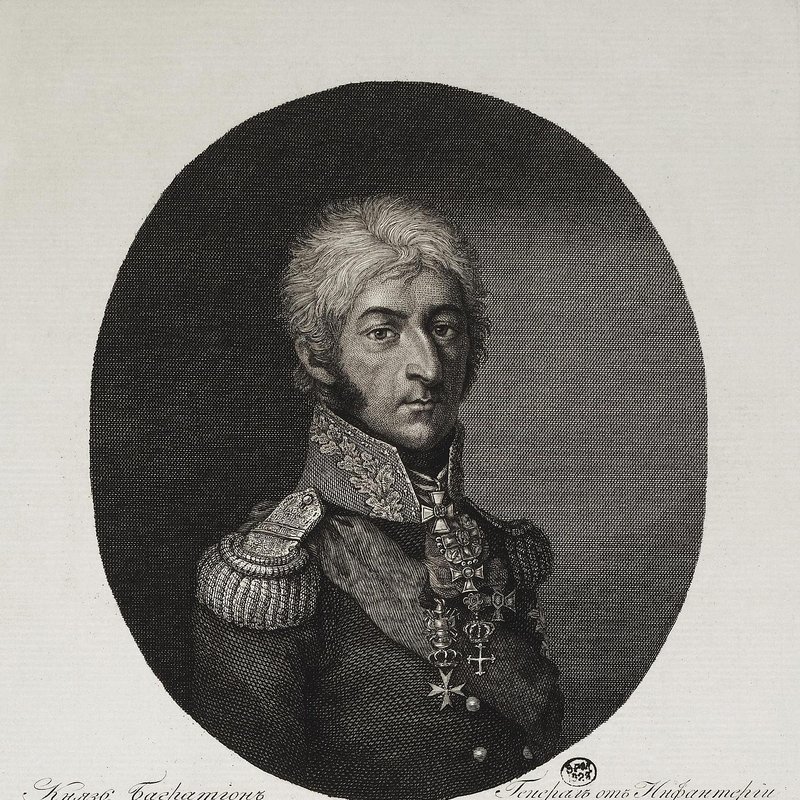 Bagration (field command, 41)
-
Relieved the Russian left
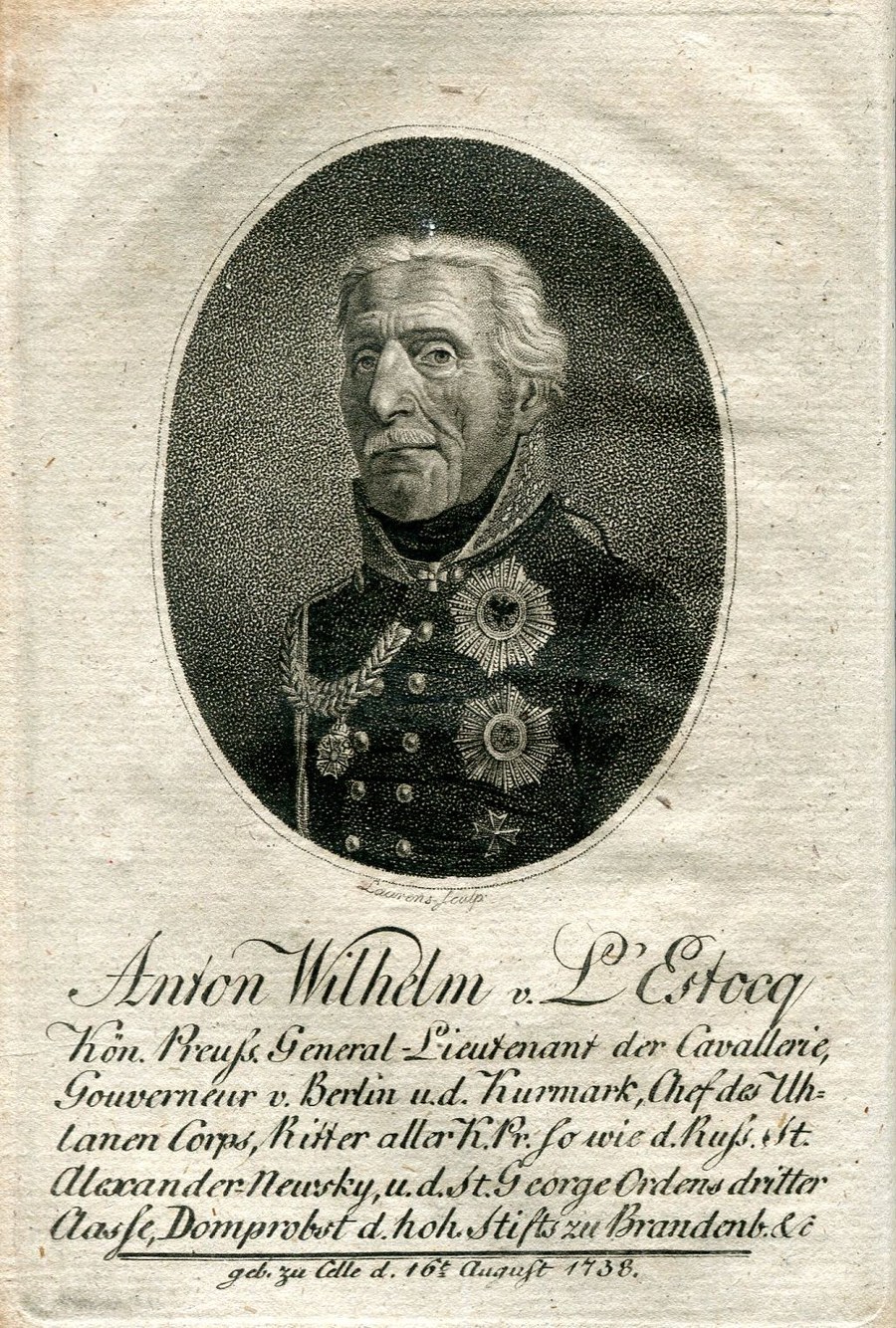 Lestocq (Prussian corps, 68)
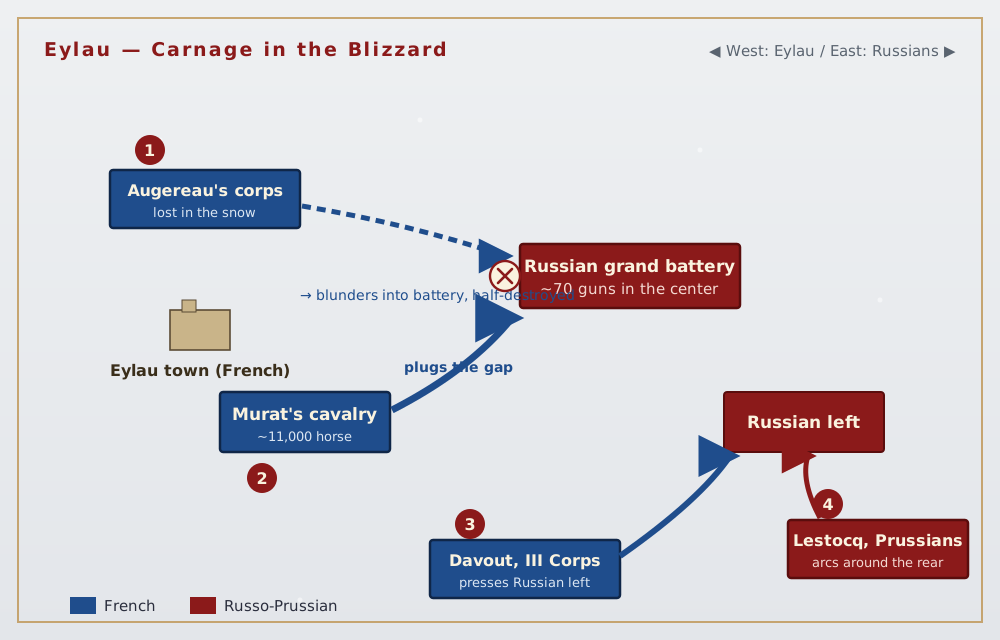
The two armies were roughly even (each in the 70,000s), and both grew during the battle as Davout, Ney, and Lestocq arrived. The decisive difference was the guns. The Russians fielded about 400 pieces (some sources say 460), with a grand battery of roughly 70 guns posted in the center[5]. It was this battery that brought catastrophe down on the French corps that lost its way in the snow.
4. The Battle: Carnage in the Blizzard
On 8 February the field was swept by intermittent driving snow. The snow erased visibility and even muffled the sound of the guns — later one of the reasons the summons to Ney's corps arrived too late.
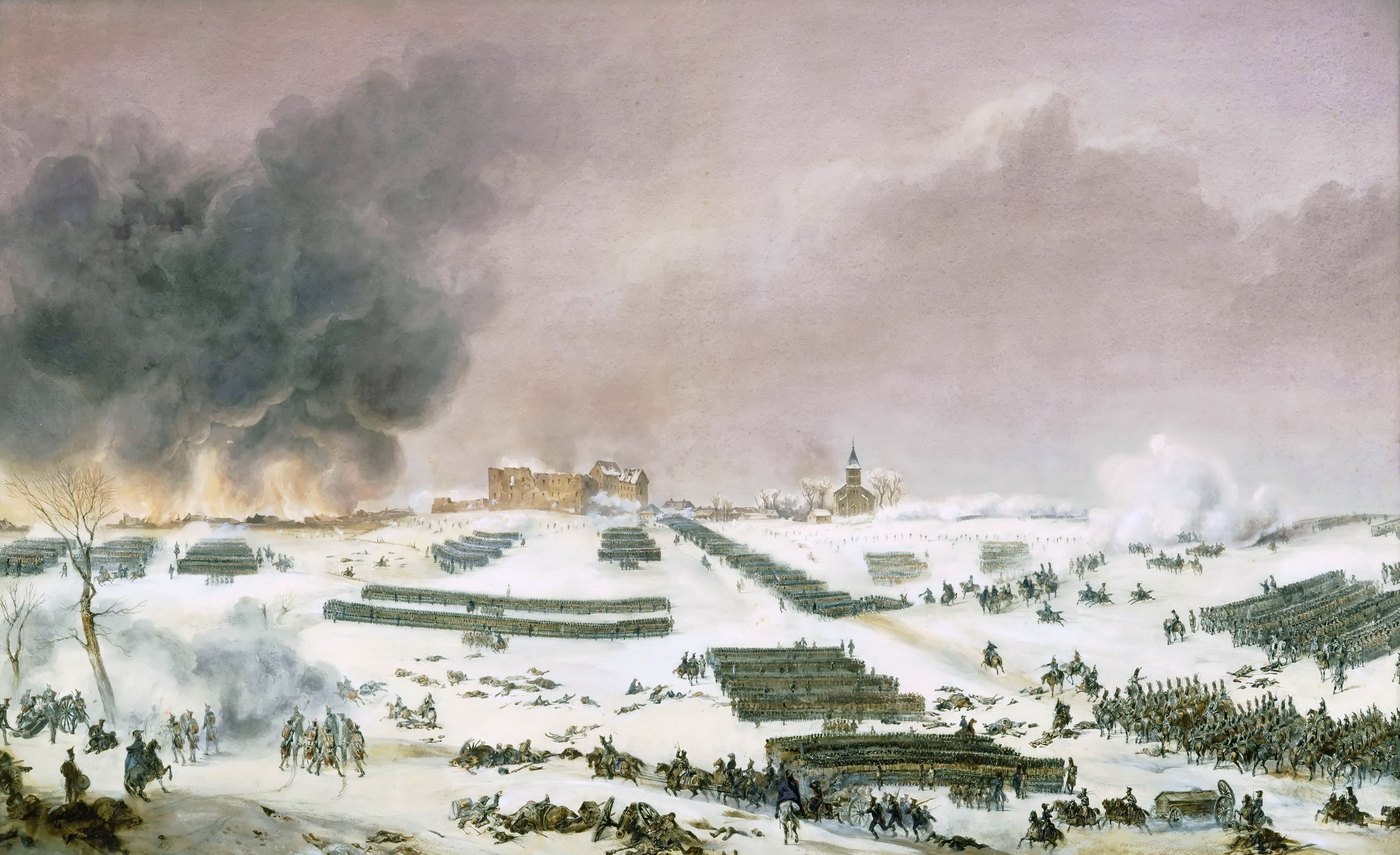
The destruction of Augereau's corps. In the morning, the ailing Augereau led his VII Corps forward through the driving snow, lost its bearings, and blundered into the front of the Russian grand battery of some 70 guns in the center. Caught by point-blank fire and by friendly artillery firing blind, it lost roughly half its men — about 5,000 — and was effectively destroyed in a matter of minutes (by tradition, some fifteen)[5]. Augereau himself was wounded. It was the moment zero visibility turned Napoleon's precise maneuvering into a disaster.
The crisis at the center and Murat's great charge. With the corps gone, a hole opened in the center, and Russian infantry bore down on Napoleon's own headquarters. To save it, Murat led roughly 10,700–11,000 horse — one of the largest cavalry charges in history — across about 2.5 km of snowfield, drove through the Russian batteries and two lines of infantry, and rode back[5]. d'Hautpoul's cuirassiers led the charge (he took a grapeshot wound to the thigh and chose the surgeon's leg-saving course, but died six days later), joined by Bessières's Guard cavalry. The charge paralyzed the Russians and bought the time Davout needed to deploy.
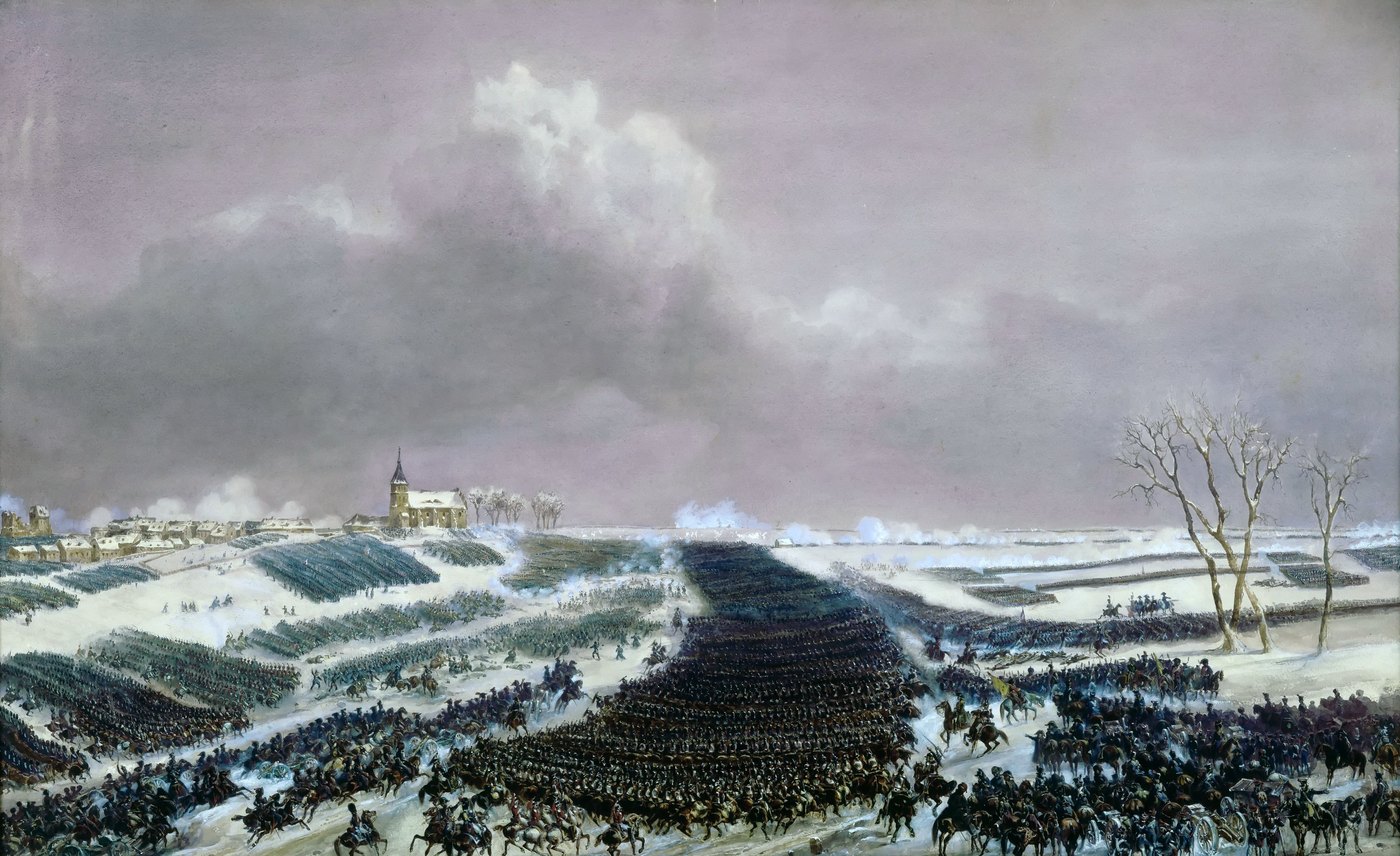
Davout's pressure and Lestocq's relief. In the afternoon, Davout's III Corps pushed in the Russian left and bent the line back at a right angle. On the brink of collapse — and at that very moment, the 68-year-old Lestocq, who had survived the rout at Jena, brought his Prussian corps in a wide arc around the Russian rear, reached the left wing, struck Davout's flank, and pushed him back[5]. A decisive victory slipped through Napoleon's fingers once again.
At dusk Ney's corps finally arrived, but too late to settle anything. After a midnight council of war, Bennigsen withdrew his army intact and in good order. The exhausted French could not pursue, and when dawn broke the field held nothing but a snowfield stained with blood and corpses freezing in the cold. Napoleon held the field and was the "victor" in form — but he had failed to destroy the enemy.
5. Why It Was Never Decided: The Day the Method's Preconditions Failed
The "make the enemy move" method Napoleon displayed at Austerlitz and Jena rested on several preconditions. Eylau laid bare what happens when those preconditions fall away one by one.
The blizzard erased visibility and mobility
Napoleon's method assumes you can see the field and move troops precisely. The driving snow made both impossible. Augereau's corps blundering into the enemy battery is the very symbol of that collapse. The snow even muffled the guns and delayed Ney's arrival.
The Russians would not break
Unlike the Austrians and Prussians, the Russian infantry stood its ground even under massive losses. It did not break even after Murat's cavalry tore through its lines. Napoleon's method is designed to win by triggering "the enemy's collapse" — but here the enemy that was supposed to break did not break.
Winter logistics shut down the pursuit
Napoleon's victories only became "decisive" once a routed enemy was annihilated in pursuit (the pursuit after Jena is the classic case). But snow and exhaustion made pursuit impossible, and Bennigsen withdrew his army intact. A victory without pursuit is no decisive victory.
The result: a frontal slaughter
With maneuver shut down, the enemy unbroken, and pursuit impossible, what remained was a head-on grind. If Austerlitz was a battle of "engineering the enemy's decisions," Eylau was its opposite. The same commander was forced, by the environment, into the very reverse kind of battle.
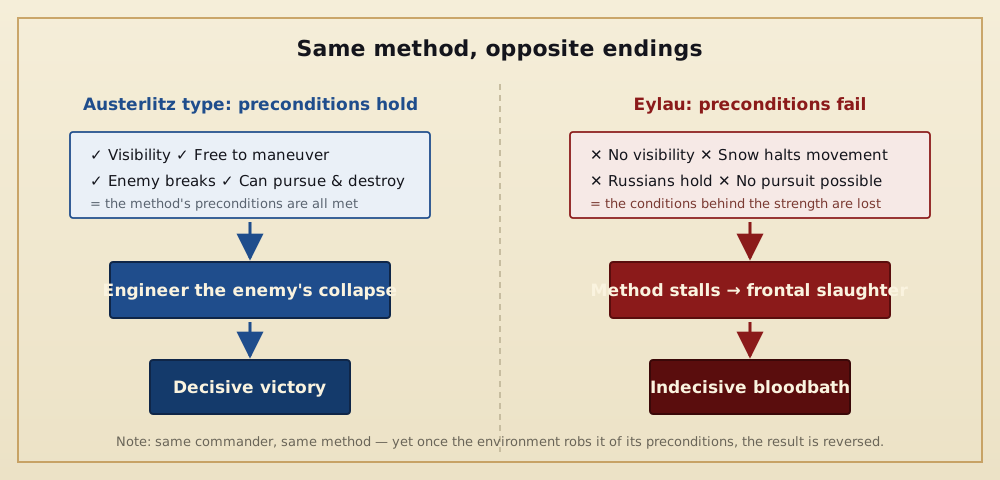
In short, the lesson of Eylau is this — even a genius's method has preconditions. When the environment that supports a strength is lost, the gap between the strong and the weak narrows, and the contest comes down to mutual bloodletting.
6. Managing the Myth: Gros's Colossal Canvas
Strictly speaking, Eylau was not a defeat. Napoleon held the field. What broke was not "defeat" but the myth of invincibility — the belief that "Napoleon always wins decisively."
Napoleon reacted sharply to this shaking of the myth. While understating his losses in the battle report (the 30th Bulletin of the Grande Armée)[5], he had Louvre director Vivant Denon open a competition for the subject and commissioned the winner, Antoine-Jean Gros, to paint a colossal canvas (the hero image at the top of this article).
What the painting depicts is no triumphant exultation. It shows the dead and wounded of both sides lying on the snow, an emperor gazing down on them as if in pity, and French surgeons tending to a wounded Russian soldier. It was a calculated piece of damage control, turning the horror into the story of a merciful emperor — a scene "fit to inspire princes with the love of peace and a horror of war." This belongs to the same lineage as the technique of rewriting the official report three times at Marengo: when the reality on the field is unfavorable, Napoleon redesigns the narrative instead. That the myth now needed managing at all was the clearest proof that the myth had been shaken.
7. Counterfactual Simulation
What follows is a source-based thought experiment whose conclusions cannot be proven. It is offered to make visible the dependencies among the elements.
| Branch | Tactical outcome | Long-term impact |
|---|---|---|
| A: Lestocq's Prussian corps fails to arrive in time | Davout finishes folding up the Russian left, and Bennigsen's line collapses. Eylau very likely becomes a clear French victory. | No "wound to the invincibility myth" is inflicted, and the winter campaign moves toward a decision on the spot. Russia might have been forced to terms without waiting for Friedland. The timely march of a 68-year-old veteran extended the lifespan of the myth. |
| B: Murat's great charge never happens | The Russians break through the center opened by Augereau's destruction, and Napoleon's headquarters is threatened. A French defeat is even conceivable. | Not merely a "wound to the myth," but possibly the first clear defeat since he became Emperor. The charge of some 11,000 horse bought not victory but the avoidance of defeat — survival. |
| C: The weather had been mild | With visibility and mobility secured, Napoleon could have applied his true "make the enemy move" method. Augereau's wandering never occurs. | An Austerlitz-style decisive victory becomes the likely outcome. This branch shows that Eylau exposed "the limits of the method" less because the enemy was strong than because the environment neutralized the strength. |
What all three branches share is that Eylau's inconclusive ending stemmed not from any clumsiness on Napoleon's part, but from the absence of the preconditions on which his strengths depend. The strong cease to be strong, more often than not, when they lose not to an opponent but to conditions.
8. Lessons for Today
What Eylau poses is the question: "A strength has preconditions. What happens when the environment neutralizes them?"
- Strength is environment-dependent: Napoleon's mobile method stood on the assumptions of "I can see, I can move, the enemy breaks, I can pursue." The same holds for a company's strengths (speed, brand, network effects): change the underlying market conditions and a strength stops being a strength. If you don't know what your winning formula depends on, it will spin its wheels when the environment shifts.
- Fragility when you're kept off your favored ground: when an opponent drags you onto ground where your strength doesn't work (conditions like a blizzard), the stronger you are, the more easily you fall into a "frontal war of attrition." At Eylau, Napoleon was robbed of his favored maneuver and forced into a grind.
- Managing the "non-victory" narrative: the temptation to recompose a failure to win decisively into a story — as Gros's painting did — is universal. But the very need to manage the narrative is itself evidence that the reality is unfavorable. When a press release or an earnings call suddenly starts talking about "context," it pays to doubt the numbers behind it.
When a startup's prized speed is shut down by regulation or infrastructure constraints, when a strong company is dragged into the "blizzard" of price competition — there you find the structure of Eylau. You must always ask: am I choosing a battlefield where my strength can be exercised?
Closing: When a Strength Is Neutralized
Eylau was the battle in which Napoleon did not lose but could not win, either. When the blizzard erased visibility, a stubborn enemy refused to break, and the snow shut down pursuit, the "make the enemy move" method had nowhere to go, and the battle degenerated into a frontal slaughter. Murat's 11,000-odd horse bought survival rather than victory, and the 68-year-old Lestocq made a decisive victory slip away.
Even a genius's method spins its wheels once the preconditions that support it are lost — the lesson Eylau left behind may be more useful to anyone who thinks about strategy than any of Napoleon's dazzling victories. Strength is not absolute but conditional. On the day those conditions broke down, Europe saw, for the first time, the "invincible Emperor" standing helpless.
FAQ
Ever since Austerlitz, Napoleon's mobile way of war had produced an unbroken run of victories, but Eylau was the first battle in which it failed to deliver a decisive win. The French held the field and could claim victory on paper, yet they could not destroy the Russian army, and both sides took such heavy losses that the result was close to a draw. It is remembered as the battle that cut the first deep wound into the myth of Napoleonic invincibility.
There were four structural causes. First, a blizzard erased visibility and mobility, making impossible the see-the-field-and-move-precisely that Napoleon's method assumes — symbolised by Augereau's corps losing its bearings and charging into the enemy batteries. Second, the Russian infantry would not break even under massive losses, so the enemy collapse Napoleon aimed for never came. Third, snow and winter logistics made a decisive pursuit impossible. Fourth, the battle consequently degenerated from maneuver into a head-on slaughter. In short, the method had preconditions of environment and enemy, and once they were lost it could produce nothing but mutual bloodletting.
The ailing Augereau led his VII Corps forward in the morning blizzard, lost its bearings, and blundered into the front of the Russian grand battery of some 70 guns in the center. Caught by point-blank fire and by friendly artillery firing blind, it lost roughly half its men — about 5,000 — and was effectively destroyed in minutes (by tradition, some fifteen). It is the scene that most clearly symbolises the collapse of the preconditions of Napoleonic warfare, the moment zero visibility turned maneuver into disaster.
The destruction of Augereau's corps opened a hole in the center, and the Russians bore down on Napoleon's own headquarters. To save it, Murat led about 10,700–11,000 horse — one of the largest cavalry charges in history — across roughly 2.5 km of snowfield, driving through the Russian batteries and two lines of infantry and back again. This paralysed the Russians and bought the time Davout needed to deploy, averting collapse. Tellingly for the character of this battle, it was not a charge for victory but a charge to buy the survival of the whole army.
Strictly, Eylau was not a defeat — the French held the field and were formally the victors. What broke was not defeat but the myth of invincibility, the belief that he always produced a decisive win. The shock in France was considerable; Napoleon understated his losses in the 30th Bulletin and had Gros paint a colossal canvas turning the horror into the story of a merciful emperor. That the myth now needed managing at all is itself proof that it had been shaken.
Eylau settled nothing, and both armies withdrew into winter quarters to recover from the attrition. The campaign resumed in spring and was decided when Napoleon won a decisive victory at Friedland on 14 June 1807. This brought Tsar Alexander I to terms, and the Treaty of Tilsit in July ended the War of the Fourth Coalition. Prussia was made to pay harshly, losing about half its territory.
The anecdote that Ney, surveying the corpses frozen on the snowfield the next morning, muttered 「What a massacre, and without result!」 is widely repeated. Primary-source support for it is weak, however, and it is best treated as tradition. The famous continuation — 「a scene fit to inspire princes with the love of peace and a horror of war」 — is attributed not to Ney but to Napoleon himself, and became the very theme of Gros's painting. The two should not be conflated.
Claims and Sources
- David G. Chandler(1966). The Campaigns of Napoleon, Macmillan.
- Encyclopædia Britannica. Battle of Eylau, Encyclopædia Britannica. [link]
- Harrison W. Mark(2024). Battle of Eylau, World History Encyclopedia. [link]
- Fondation Napoléon. A close-up on the Polish campaign: Eylau, Fondation Napoléon. [link]
- Wikipedia contributors. Battle of Eylau, Wikipedia. [link]