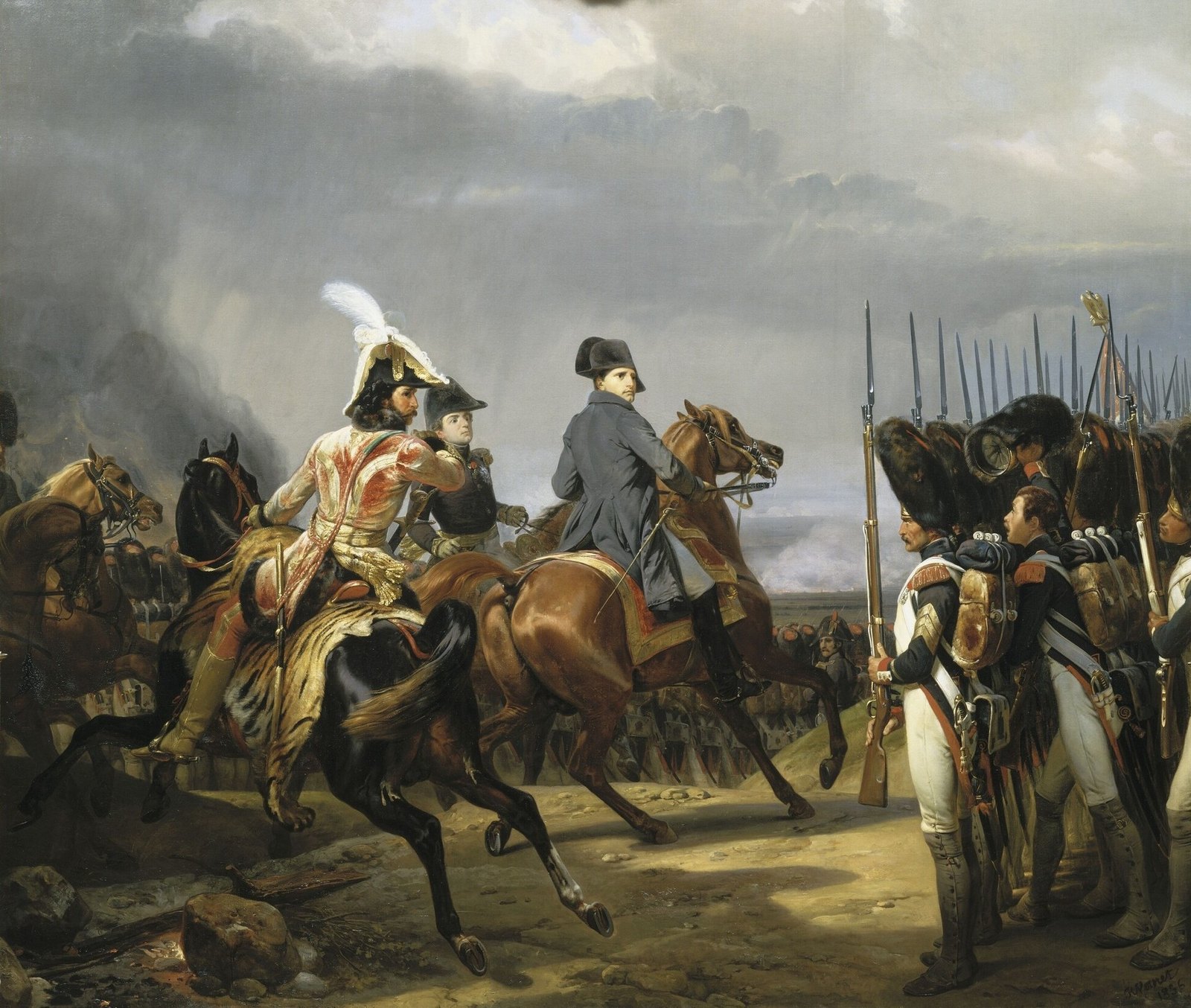
On 14 October 1806, two pitched battles were fought at the same hour on two fields some 20 km apart. To the south at Jena, Napoleon overwhelmed the enemy with superior numbers. To the north at Auerstedt, Davout's single corps beat the Prussian main army—twice its size—entirely on its own. The irony is this: Napoleon believed that his own field, Jena, was the decisive one. The Emperor won the famous battle; Davout won the important one. The battle that mattered was fought where the Emperor was not.
1. Key Facts
- Date
- 14 October 1806two battles, one day
- Place
- Jena / AuerstedtThuringia, present-day Germany
- Belligerents
- France vs PrussiaWar of the Fourth Coalition
- Result
- Decisive French victory→ destruction of the Prussian army
Note: for clarity this article shows the French in blue and the Prussians in red (because the Prussian uniform was a blue much like the French, we follow the military-map convention of coloring the enemy red).
Jena (the Emperor's battle)
France superior
Auerstedt (Davout's battle)
Prussia about 2×
Casualties (both battles combined)
Prussia overwhelmingly higher
The number to notice: Davout's losses (~7,100) exceeded Napoleon's at Jena (~6,000). With fewer than a third of the troops, and at a heavier price, he beat the more important enemy.
| Category | France | Prussia |
|---|---|---|
| Supreme command | 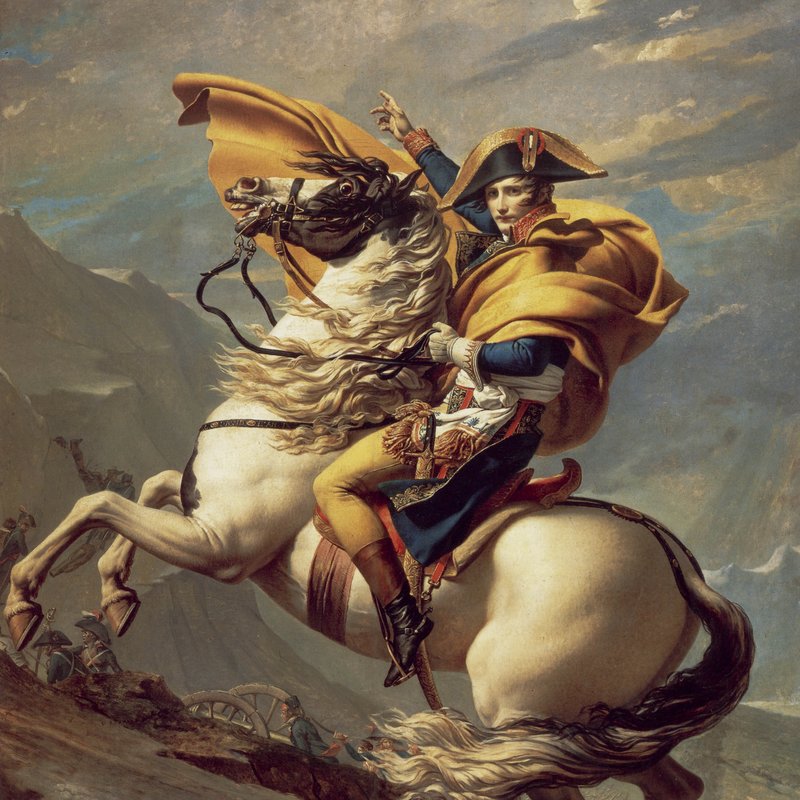 NapoleonEmperor, 37 / at Jena NapoleonEmperor, 37 / at Jena |
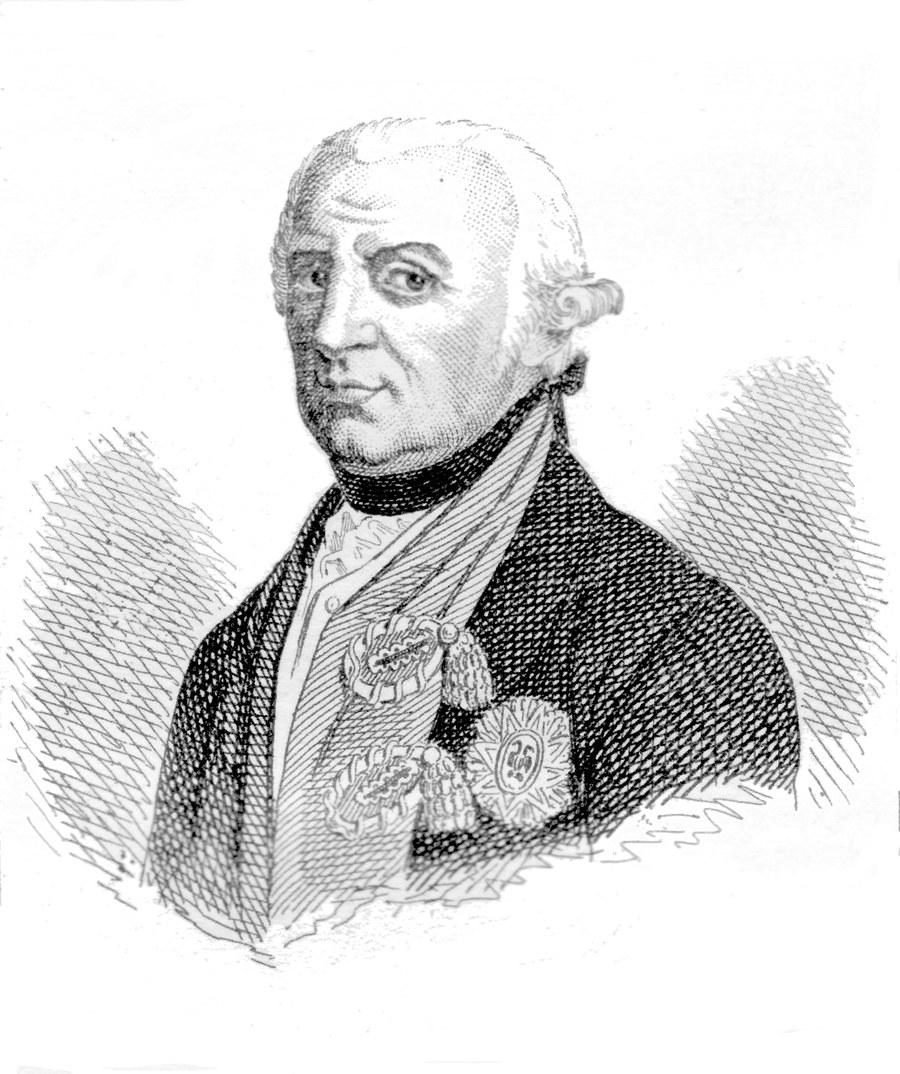 Duke of Brunswickcommander-in-chief, 71 / mortally wounded at Auerstedt Duke of Brunswickcommander-in-chief, 71 / mortally wounded at Auerstedt |
Note: the real protagonist is Davout, who won Auerstedt single-handed. For the corps-level chain of command, see §3, The Two Armies.
2. Strategic Background: An Army Resting on a Dead King's Glory
In 1806 Prussia, alarmed by Napoleon's reordering of Germany (the founding of the Confederation of the Rhine), issued an ultimatum on 1 October and went to war.[5] The source of Prussian confidence was a single thing—the memory of Frederick the Great. The prestige of an army hailed as the finest in Europe during the Seven Years' War was still alive two decades after the King's death in 1786.
The reality was otherwise. The Prussian army had kept the tactics and organization of Frederick's day almost unchanged: ponderous linear tactics, no permanent corps system (combined-arms formations went no further than ad-hoc divisions), and a command structure that was both aged and divided. The commander-in-chief, the Duke of Brunswick, and the other senior commander, Hohenlohe, were at odds over operational doctrine, and went into the war without ever coordinating.[2]
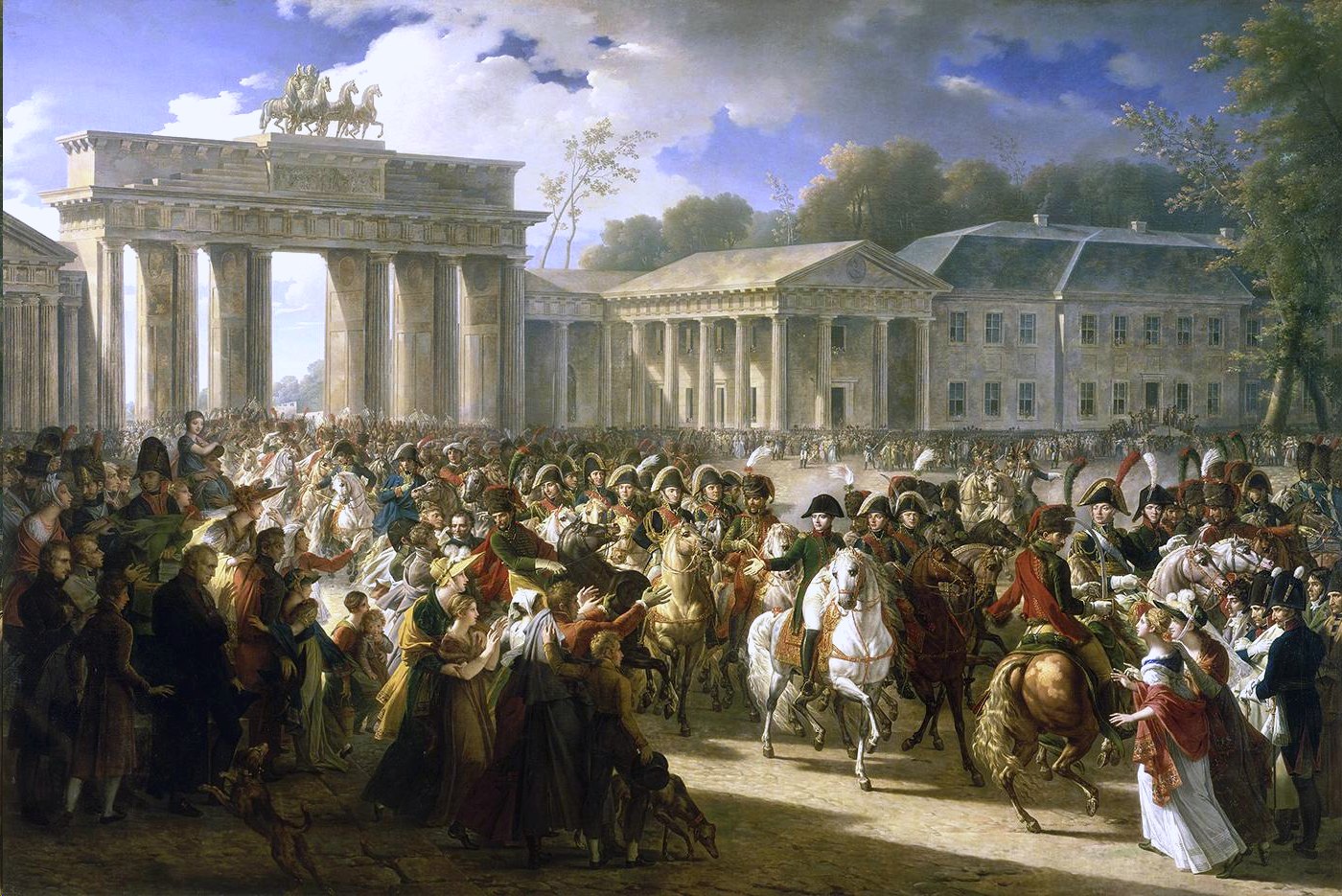
Thirteen days after the twin battle, Napoleon passed through the Brandenburg Gate—the consequence of an army of the great King collapsing in a single day.
Napoleon, for his part, advanced the Grande Armée in the bataillon carré—a "battalion square" of three parallel columns able to face about toward an enemy in any direction—and broke through Thuringia in just six days. In the engagement at Saalfeld on 10 October, the Prussian Prince Louis Ferdinand was killed, and Prussian morale was already shaken at the outset of the war.
3. The Two Armies: Marshals of 37 vs a Commander of 71
The structure of this battle is captured at a glance by the ages and organization of the two commands.
The French (Grande Armée)
-
Commanding at Jena
Napoleon (Emperor, 37)
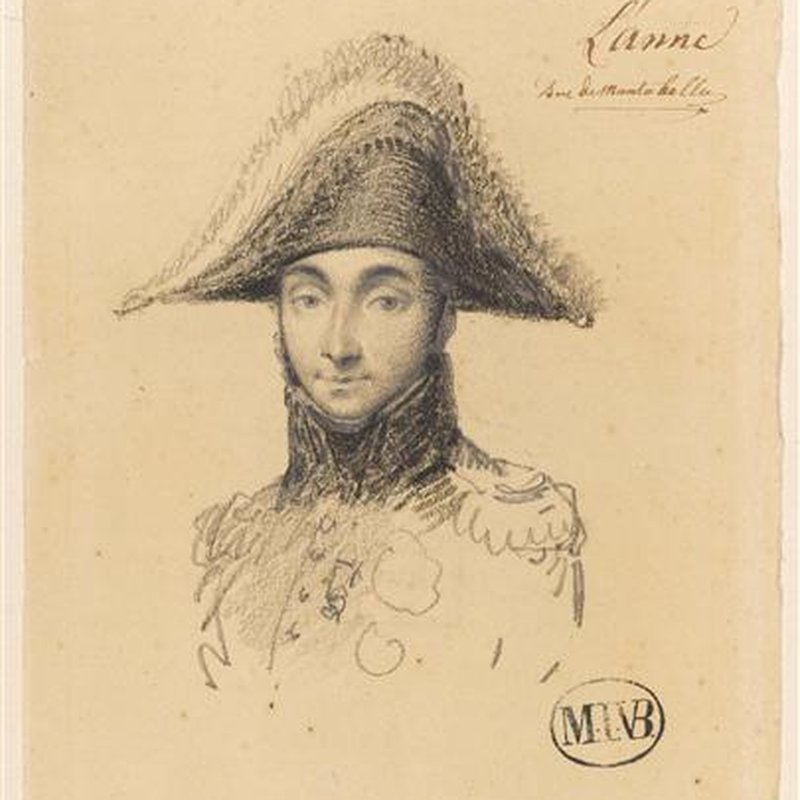 Jean Lannes (V Corps, 37)
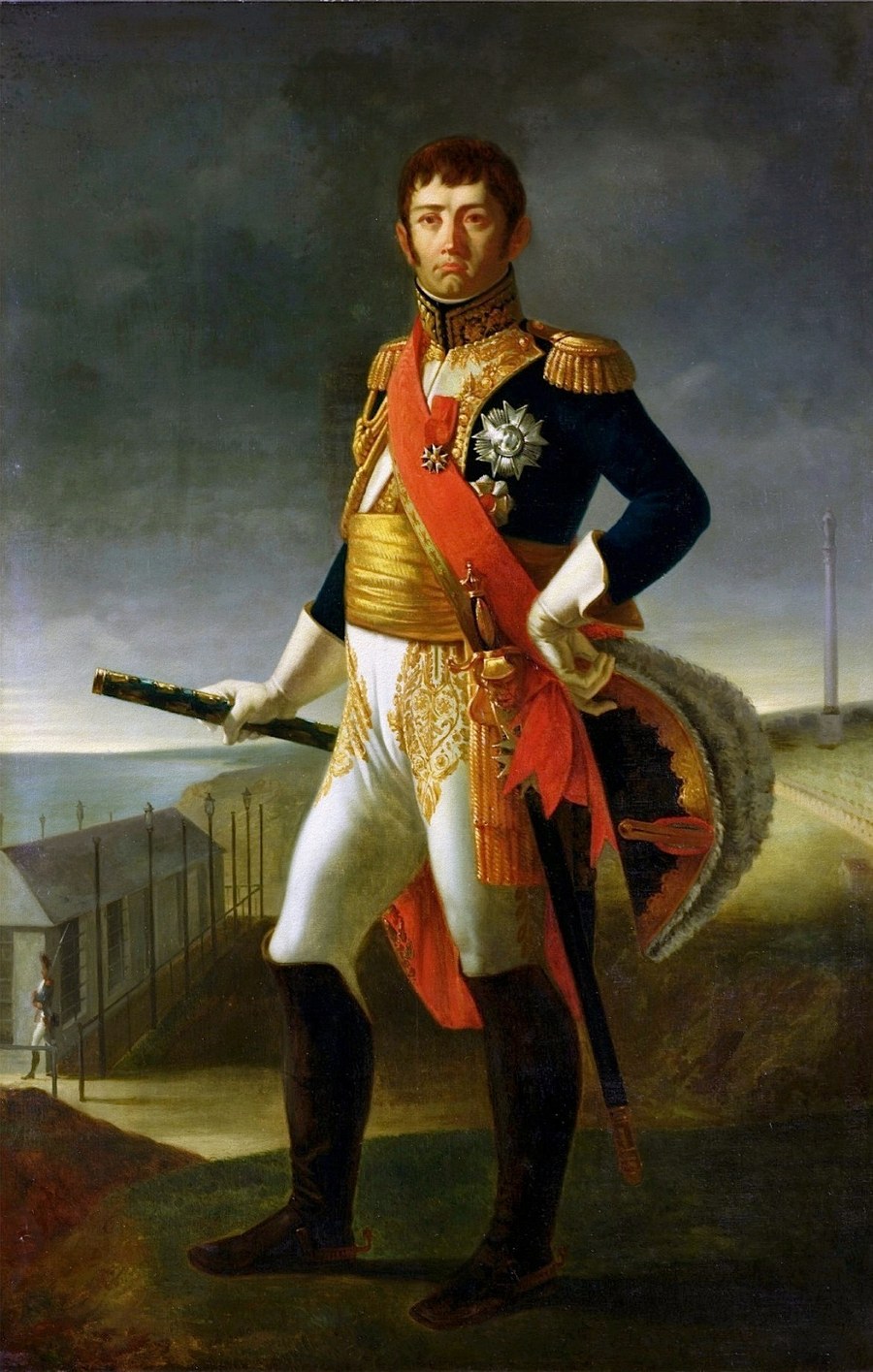 Jean-de-Dieu Soult (IV Corps, 37)
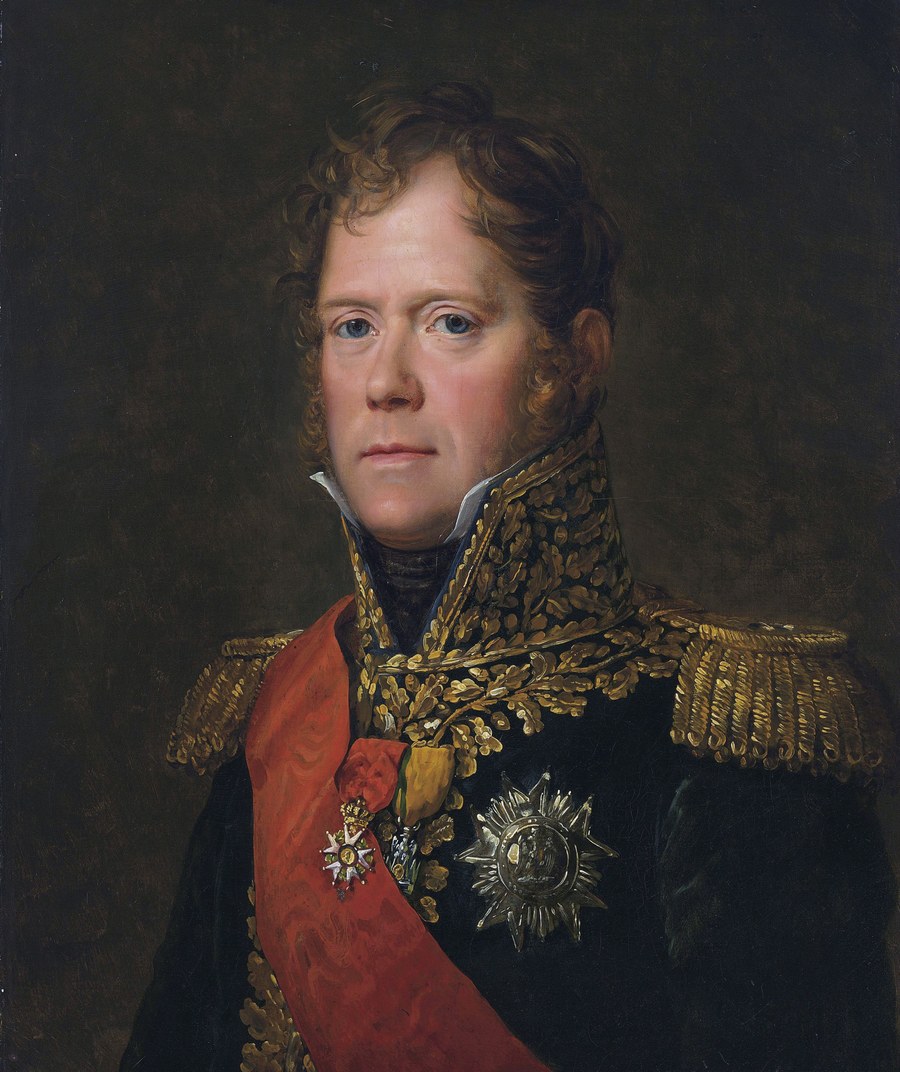 Michel Ney (VI Corps, 37)
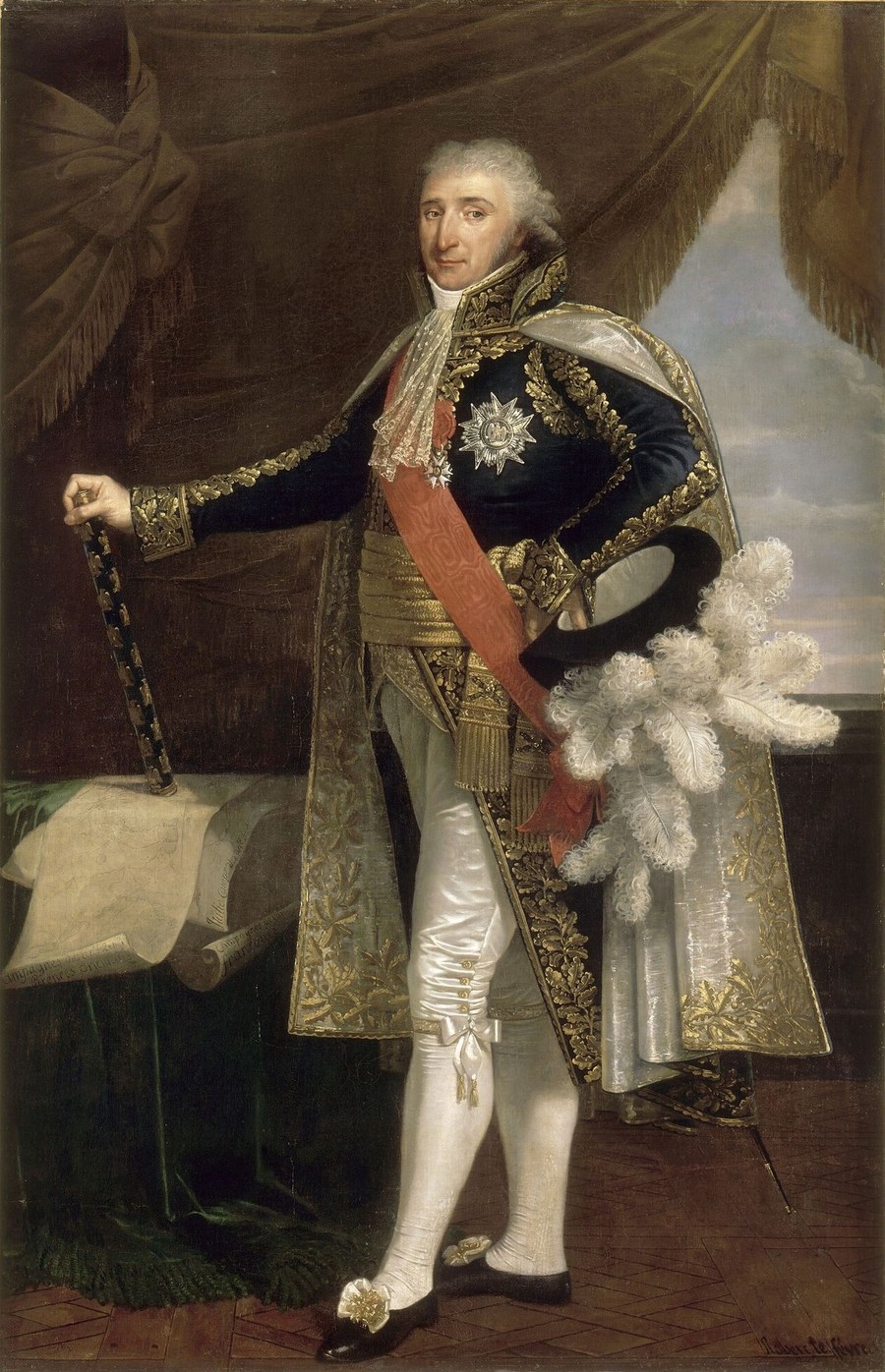 Pierre Augereau (VII Corps, 48)
-
Winning Auerstedt alone
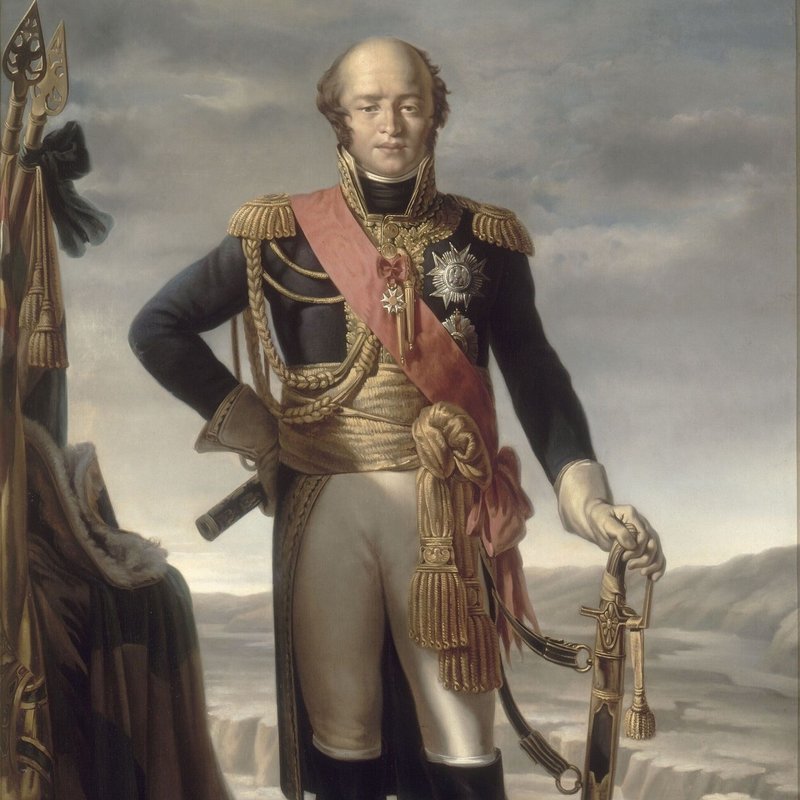 Louis-Nicolas Davout (III Corps, 36)
-
Cavalry / pursuit; idle in between
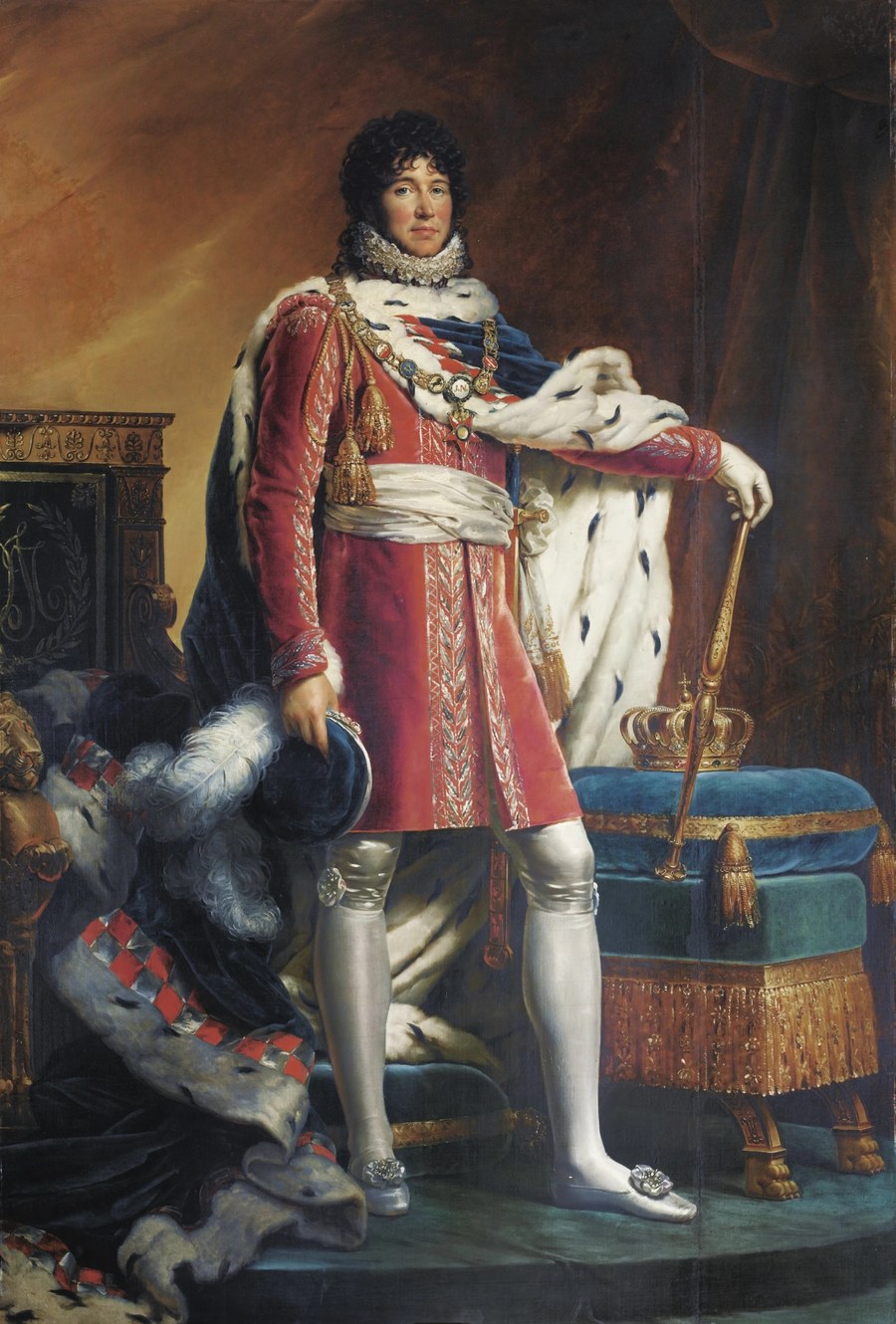 Joachim Murat (Cavalry Reserve, 39)
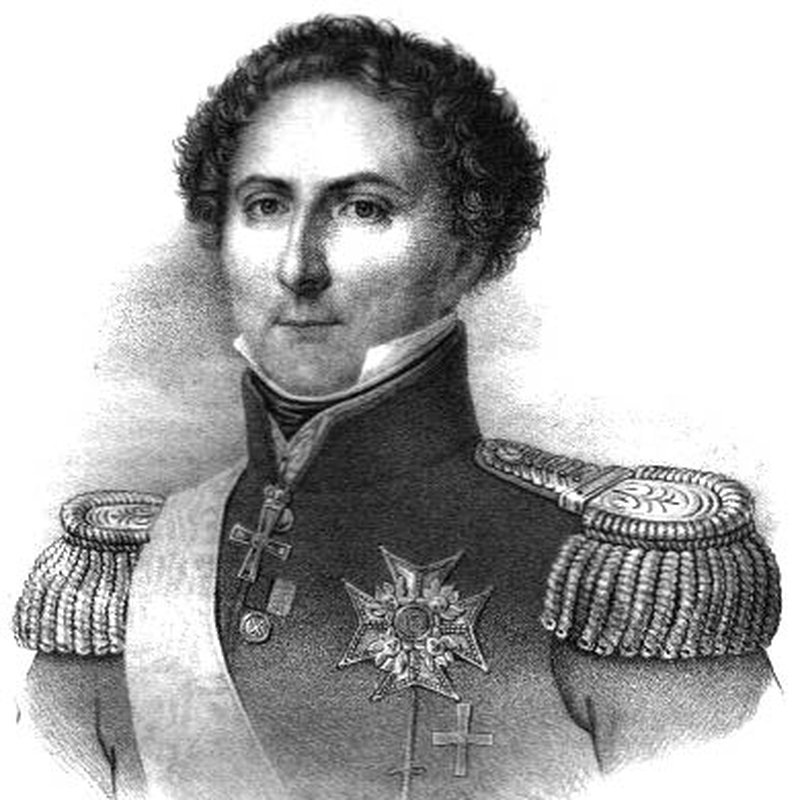 Jean-Baptiste Bernadotte (I Corps, 43)
The Prussians
-
Commander-in-chief (Auerstedt)
Duke of Brunswick (commander-in-chief, 71 / mortally wounded)
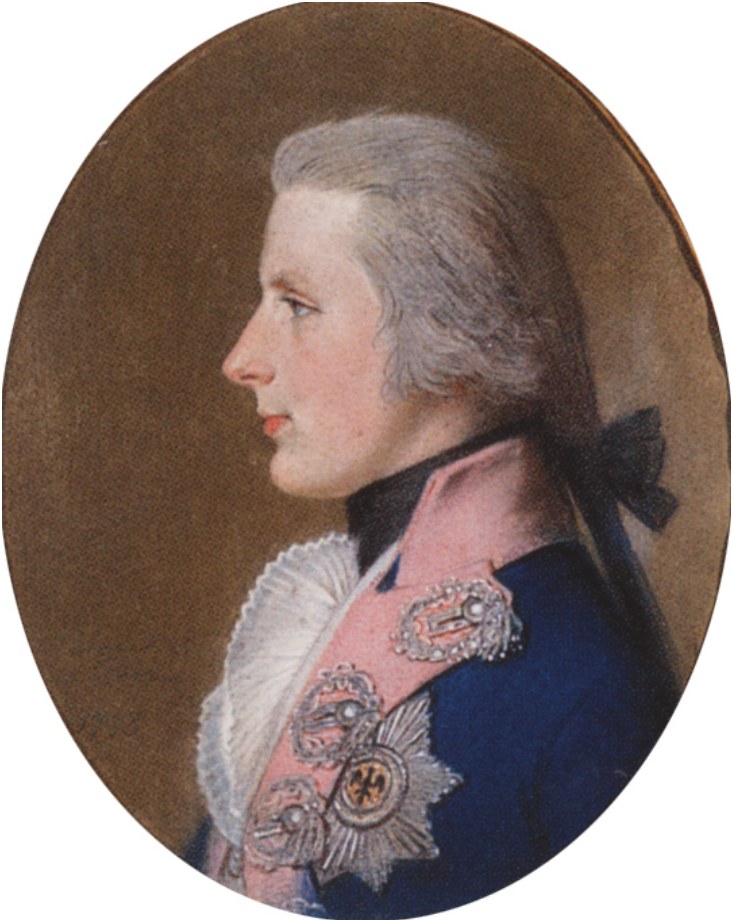 Frederick William III (King, 36 / present on the field)
-
Jena sector
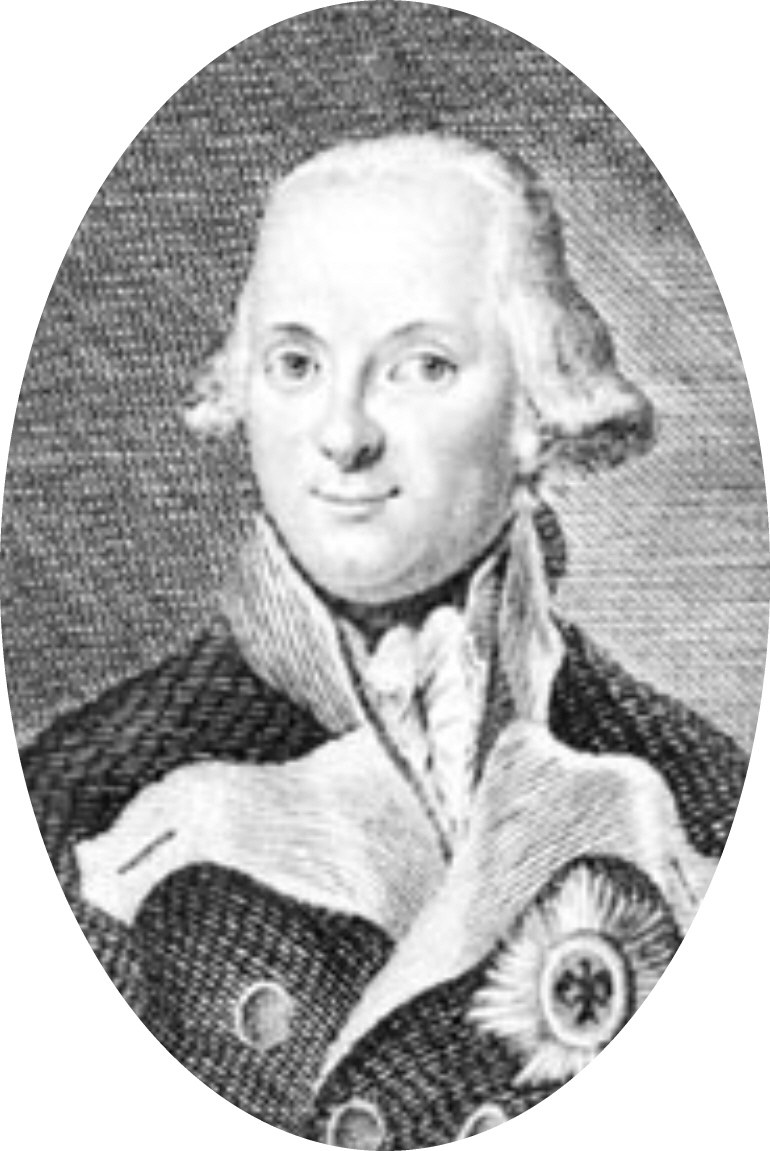 Prince of Hohenlohe (commander, 60)
-
Cavalry (Auerstedt)
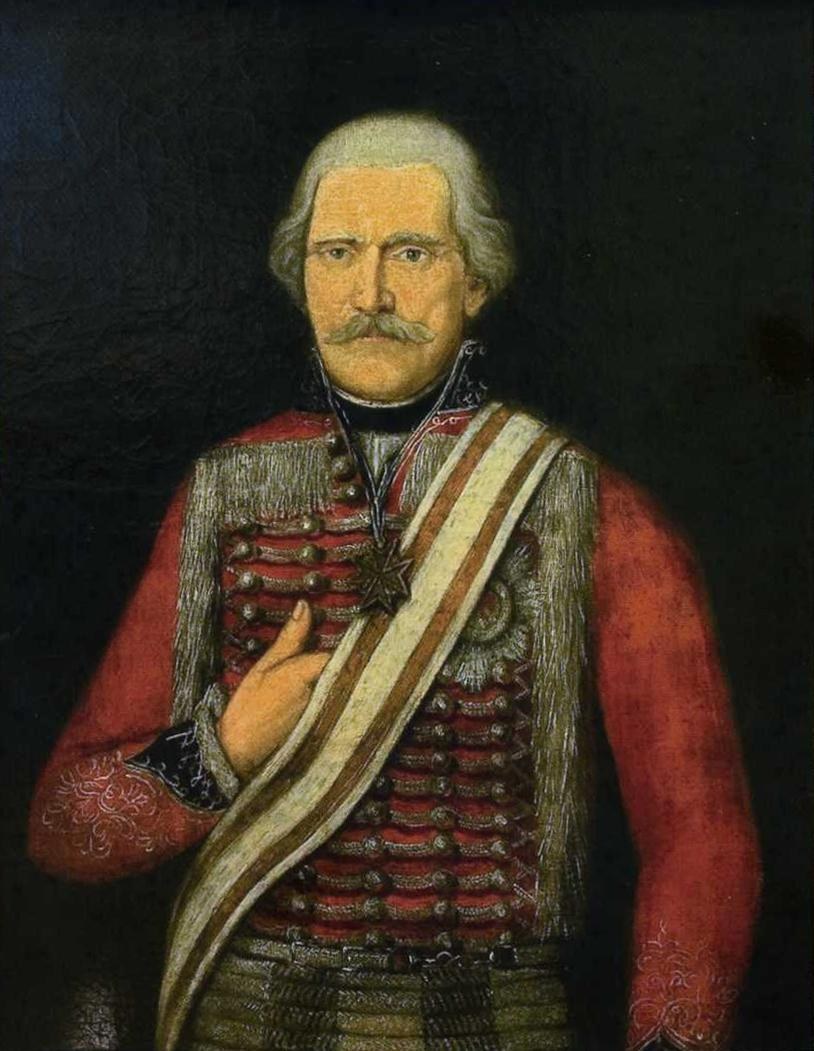 Blücher (cavalry, 63)
The French corps commanders were mostly in their late thirties. The Prussian core, by contrast, was the Duke of Brunswick at 71, Hohenlohe at 60, and the old marshal Möllendorf, present at Auerstedt, at 82. Age in itself was not the problem. The problem was that this aged core was concentrated in a single chain of command. As we will see, when that one point failed, the whole Prussian army stopped.
4. Two Battlefields: The Gap Between Perception and Reality
On 14 October the two armies, unintentionally, ended up passing each other. The Prussian main body was trying to withdraw northward, while Napoleon marched north to cut off its line of retreat. But Napoleon did not know that Brunswick had pulled the main army out to the north, and he mistook Hohenlohe's force, which faced him at Jena, for "the Prussian main army."[3]
The result was two simultaneous battlefields. The Emperor massed great numbers against a secondary enemy, while the true main army collided—at Auerstedt to the north—with the single corps of Davout that happened to be there.
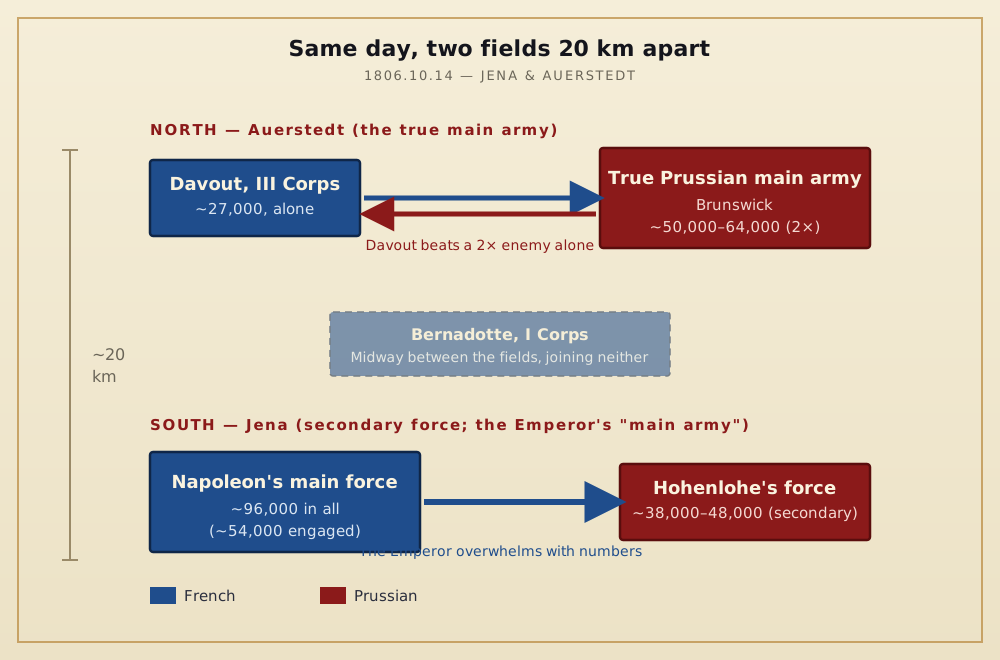
The two fields lay about 20 km apart, each blind to the other's situation. That distance is what later produced the paradox: the decisive battle was fought where the Emperor was not.
5. Jena: The Battle It Was Harder to Lose Than to Win
Jena was a battle Napoleon fought under conditions in which losing was scarcely possible. Through the morning fog, Lannes's V Corps led the way, and the artillery that had been hauled up onto the Landgrafenberg plateau overnight opened fire. Ney's impetuous advance briefly courted crisis, but against an overwhelming disparity in numbers it was a trivial slip.
In the afternoon, Rüchel arrived with about 15,000 men to relieve the Prussian Hohenlohe—but too late. Far from steadying the line, his troops were swept up in the rout of their disintegrating comrades. Prussia's antiquated line formations collapsed as an organized body before the flexibility of French skirmishers and columns and the weight of French artillery fire.
Jena was a brilliant victory. But it was only the victory of an emperor crushing a secondary enemy with superior numbers. The real test was unfolding to the north.
6. Auerstedt: The Battle That Should Have Been Unwinnable
The same morning, 20 km north at Auerstedt, the III Corps of Davout (about 27,000) advanced through the fog and met head-on the retreating Prussian main army (about 50,000–60,000). The odds were 2 to 1. And Davout had no reinforcements: Bernadotte sat between the fields and did not move.
This is where the battle turned. Around ten in the morning, the Prussian commander-in-chief, the Duke of Brunswick, was shot through both eyes and mortally wounded.[5] His deputy Schmettau fell at the same moment. The army's brain was gone at the decisive instant.
Frederick William III, present on the field, took nominal command, but the King, lacking the qualities of a soldier, chose to abandon the battlefield while still holding the larger force. Davout's combined-arms squares, meanwhile, did not break: they absorbed a Prussian army attacking piecemeal, and in time went over to the counterattack.
Davout beat an enemy twice his size. But the cost was about 7,100—more than the Emperor paid at Jena. He carried off a battle that should have been unwinnable, and paid the highest tuition for it.
7. Why Davout Won: The Structure of the Corps System
Davout's victory cannot be explained by personal valor alone. At bottom it lay in the difference in "organizational design" between France and Prussia.
A self-contained corps system (France)
Each French corps had its own infantry, cavalry, and artillery—a small army able to fight a whole day on its own. That is precisely why, at Auerstedt where the Emperor's orders did not reach, Davout could fight the battle through on his own judgment. A design that did not need to wait for orders from the center turned isolation into victory.
Concentration in a single brain (Prussia)
Prussia had no permanent corps system; command was concentrated in a single brain, the Duke of Brunswick. The moment he fell at ten in the morning, there was no self-reliant subordinate able to move the whole in his place. A centralized organization stops as a whole the instant it loses its head.
Piecemeal commitment, an obsolete method (Prussia)
Though it held twice the troops, Prussia fed its strength in by driblets in slow line formations. Unable to mass its superiority at one point, it was broken in detail against Davout's unyielding squares. A numerical advantage, wrongly used, ceases to be an advantage.
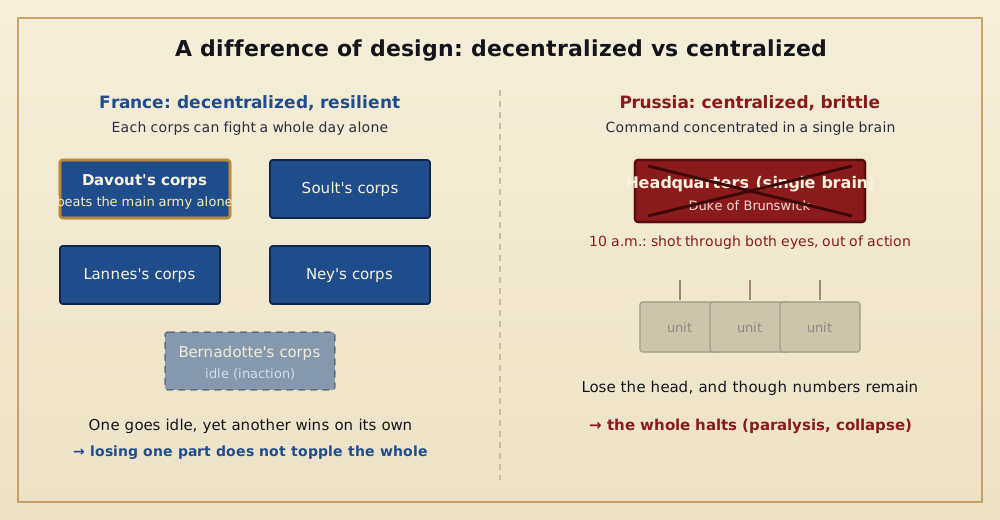
The two battlefields were, on a single day, an experiment in organizational design. A decentralized, resilient system can win even when one part fails to function (even with Bernadotte gone idle). A centralized, brittle system collapses the instant it loses its keystone—the commander-in-chief.
8. Bernadotte's Inaction: The Flaw in the System
The French system, however, showed a flaw of its own. Bernadotte's I Corps sat midway between the two battlefields and took part in neither fight. While Davout was locked in a death struggle against an enemy twice his size, Bernadotte's corps marched to no purpose.
The widely known account is that he "refused orders out of jealousy of Davout." More recent scholarship, on the other hand, points out that the orders issued by Berthier's staff were ambiguous—Davout received clear instructions, Bernadotte only a vague postscript—and defends him against the charge of deliberate disobedience.[4] The truth cannot be settled from the sources, but in any case Napoleon was enraged. He went so far as to draw up papers for a court-martial, then thought better of it—it would have been tantamount to a death sentence—and limited himself, it is said, to a severe reprimand.[4]
Here is the paradox. A decentralized system could win as a whole even when one part malfunctioned. Even with an entire corps—Bernadotte's—gone idle, Davout beat the main army single-handed and the Emperor overwhelmed the secondary force, so the twin battle ended in a complete French victory. A flaw that would have been fatal to a brittle system was simply absorbed by a resilient one.
9. Counterfactual Simulation
What follows is a thought experiment grounded in the sources; its conclusions cannot be proven. It is offered to make visible the dependencies among the elements.
| Branch | Tactical outcome | Long-term effect |
|---|---|---|
| A: Davout is beaten at Auerstedt | The Prussian main army escapes north intact. The victory at Jena amounts to "merely beating a secondary force" and is not decisive. | The Prussian army falls back with its organization intact, links up with Russia, and the war drags on. The lightning decision within 1806 is lost; the entry into Berlin and the display of imperial prestige are both greatly delayed. |
| B: Bernadotte had marched to Auerstedt | Davout fights not at 2-to-1 but on at least even terms, and shatters the Prussian main army faster and at lower cost. | The "protagonist" of the victory is dispersed, and the legend of Davout alone is never born. Ironically, it was Bernadotte's inaction that threw into sharp relief the structure of "one corps beating the main army." |
| C: Prussia had adopted a corps system | Even after the Duke of Brunswick's wounding, a self-reliant subordinate takes over and the larger force is handled as an organized body. Auerstedt becomes at least an even fight. | Had Prussia not rested on the great King's legacy but updated forty years of military organization, it would not have collapsed in a single day in 1806. In fact, this defeat spurred the reforms of Scharnhorst and others, giving rise to the "new Prussian army" of 1813 and after. |
What the three branches show is that the drama of this twin battle was rooted in a difference of organizational design. French resilience (A and B) and Prussian brittleness (C)—the two fields of a single day burned that contrast into history more vividly than any other.
10. Lessons for Today
What Jena–Auerstedt offers the present is the insight that "the decisive front is not always the one the top is watching", together with the structural lesson that an organization's resilience is decided by its design for decentralization.
- The gap between the top's perception and reality: even a commander as great as Napoleon misidentified the main battlefield, convinced that "the decisive fight is here." In business, too, it is not rare for the venture the top focuses on (Jena) to diverge from the front that actually decides the organization's fate (Auerstedt).
- Decentralization breeds resilience: an organization in which each unit is self-contained and can judge and act independently keeps working even when orders from the top fail to arrive, and does not fall as a whole when one part malfunctions. The French corps system was a forerunner of what we now call autonomous team design.
- The brittleness of centralization: an organization that concentrates decision-making in a single brain is paralyzed the instant that one point is lost. Prussia stopping at ten in the morning when it lost its commander-in-chief was the moment a structural vulnerability was laid bare.
- Past glory becomes a liability unless renewed: Prussia's forty years of stagnation, resting on the great King's fame, were settled in a single day. "We were once the strongest" guarantees nothing about tomorrow's strength.
An organization is tested not when all goes well, but when it loses its head. How it falls is what tells you how it was designed.
Closing: How an Organization Falls Tells You What It Is
On 14 October 1806 two armies were tested on the same day. One kept fighting, unit by unit, even after losing its keystone, and an isolated single corps beat the enemy's main army. The other, the instant it lost its brain, stopped while still holding the larger force.
What decided the outcome was neither numbers nor generalship, but organizational design—how an army behaves when it loses its head. The "resilience of a decentralized system" that Davout demonstrated at Auerstedt left a far deeper lesson for the modern study of organizations than the brilliant victory Napoleon staged at Jena. The decisive battle was fought where the Emperor was not—and that was no accident, but because France had designed exactly that kind of army.
FAQ
It is the collective name for two battles fought simultaneously on 14 October 1806 on fields some 20 km apart. To the south at Jena, Napoleon himself overwhelmed part of the Prussian army (Hohenlohe's force) with superior numbers. To the north at Auerstedt, Davout's III Corps met the retreating true Prussian main army and beat it despite being outnumbered two to one. The irony is that Napoleon had mistaken his own field, Jena, for the main battlefield, while the truly important fight took place where the Emperor was not.
Napoleon expected the decisive battle around 16 October and had not pinned down the Prussian dispositions. Unaware that the Duke of Brunswick had pulled the main army out to the north, he assumed the force facing him at Jena (Hohenlohe's) was the Prussian main body. There was some reason to judge the enemy in front of him as the main force, but the result was that the greatest prize — beating the true main army — was won in a place beyond the Emperor's reach.
Davout's III Corps (about 26,000–27,000) faced the Prussian main army (about 50,000–60,000) single-handed at Auerstedt. There were three reasons. First, the French corps system: each corps was a self-contained combined-arms force able to fight a whole day on its own, so it functioned without the Emperor's orders. Second, the Prussians lost their commander-in-chief, the Duke of Brunswick, around mid-morning (shot through both eyes and mortally wounded), paralysing the chain of command. Third, the Prussians fought in the obsolete way of feeding their superior numbers in piecemeal. Davout's losses (about 7,100) exceeded Napoleon's at Jena — a measure of how fierce the fight was.
Bernadotte's I Corps sat midway between the two fields and took part in neither. The well-known account that he refused to march out of jealousy of Davout (World History Encyclopedia and others) is widespread, but recent scholarship (Napoleon Series) points out that Berthier's staff orders were ambiguous — Davout got clear instructions and Bernadotte only a vague postscript — and defends him against the charge of deliberate disobedience. Either way, Napoleon was enraged and drew up court-martial papers, but never convened the court, limiting himself to a severe reprimand.
There is an anecdote (related by Andrew Roberts in 2014 and others) that, on hearing a single corps had beaten the enemy's main army, Napoleon mocked Davout's severe short-sightedness with 「your marshal must be seeing double.」 It is a widely repeated anecdote, however, not a verbatim record. In fact Napoleon quickly revised his judgment, praised Davout, and in 1808 granted him the title Duke of Auerstedt.
No. This twin battle, with the relentless pursuit that followed (fortresses such as Prenzlau, Stettin and Magdeburg surrendering one after another), effectively destroyed the Prussian army, and on 27 October Napoleon entered Berlin. But the war ran on into 1807 with Russia drawn in, ending only with the Treaty of Tilsit (July) after Eylau (February) and Friedland (June).
The collapse in a single day of an army that had rested on its fame since Frederick the Great spurred a sweeping military reform. Scharnhorst, Gneisenau and others introduced conscription, merit-based promotion and a modern staff system, remaking the rigid old army. Ironically, the humiliation of 1806 produced the Prussian army that beat Napoleon in the Wars of Liberation of 1813–15; that Blücher could coordinate with Wellington at Waterloo was in part a fruit of this reform.
Claims and Sources
- David G. Chandler(1966). The Campaigns of Napoleon, Macmillan.
- Encyclopædia Britannica. Battle of Jena, Encyclopædia Britannica. [link]
- Harrison W. Mark(2024). Battle of Jena-Auerstedt, World History Encyclopedia. [link]
- The Napoleon Series. Bernadotte 1806 / Prussian-Saxon Army OOB at Jena, The Napoleon Series. [link]
- Wikipedia contributors. Battle of Jena–Auerstedt, Wikipedia. [link]