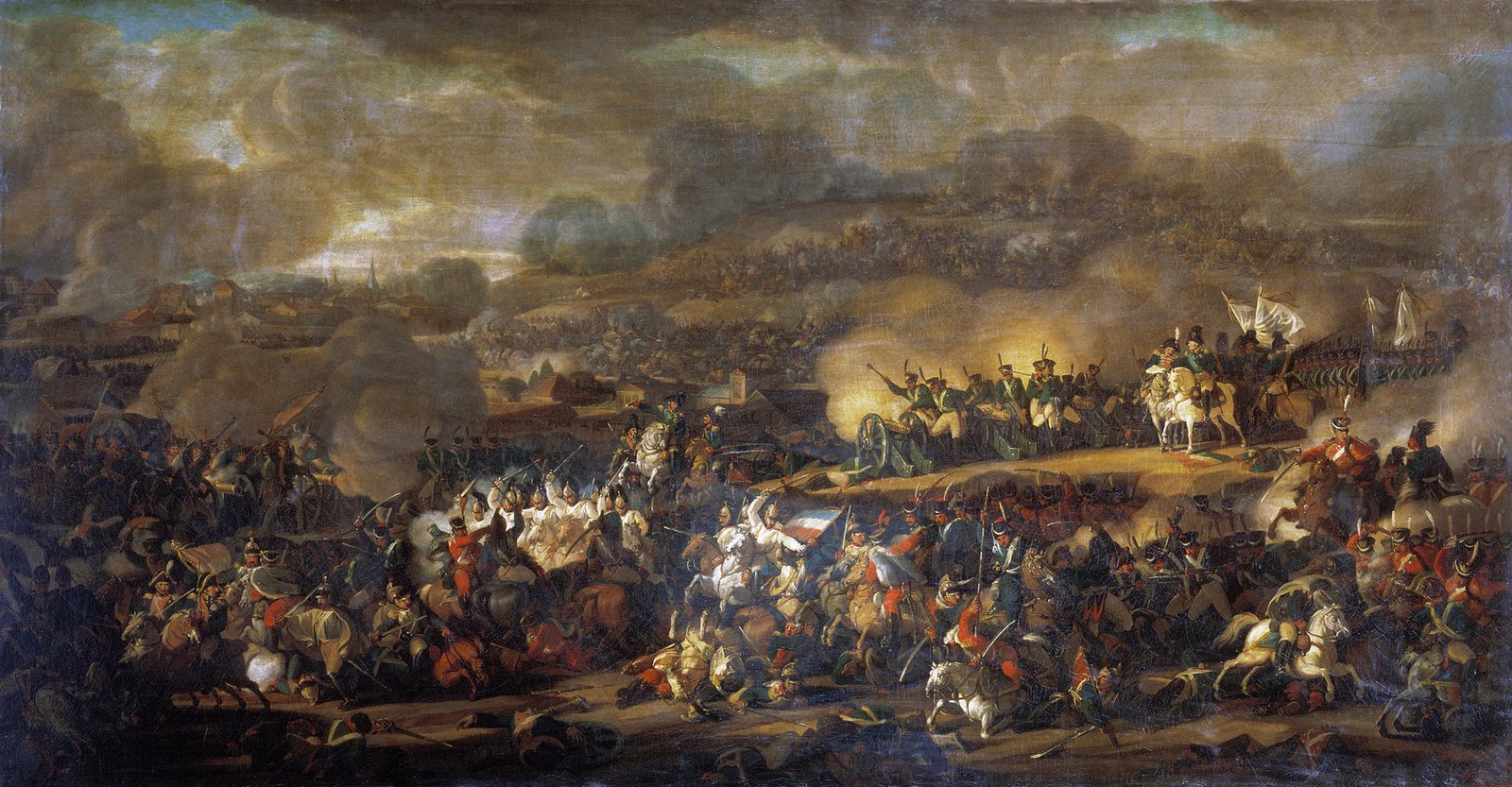
At Austerlitz, Napoleon planted himself at the center of converging coalition armies and beat them in detail before they could unite. In October 1813, at Leipzig, the exact opposite happened. The coalition had learned his method and adopted a strategy of refusing battle with the Emperor himself, beating his marshals in detail, and enveloping him with roughly twice the numbers — the Trachenberg plan. Four days, some 560,000 men in all — the largest "Battle of the Nations" in European history to that point. The genius who held the center was wrapped up from the outside. The man who wrote the recipe for beating the Emperor was once his own marshal.
1. Key facts
- Date
- 16–19 October 1813a four-day battle
- Place
- around Leipzigpresent-day Saxony, Germany
- Combatants
- France vs. the coalitionRussia, Prussia, Austria, Sweden / Sixth Coalition
- Result
- Decisive coalition victory→ loss of Germany, leading to the 1814 abdication
Note: in this article the French are shown in blue and the coalition (Russia, Prussia, Austria, Sweden) in red.
Strength (build-up through day three)
Coalition about 2×
Guns
Coalition about 2×
Losses (four days; killed, wounded, captured)
French losses the heavier
| Role | France | Coalition |
|---|---|---|
| Supreme command | 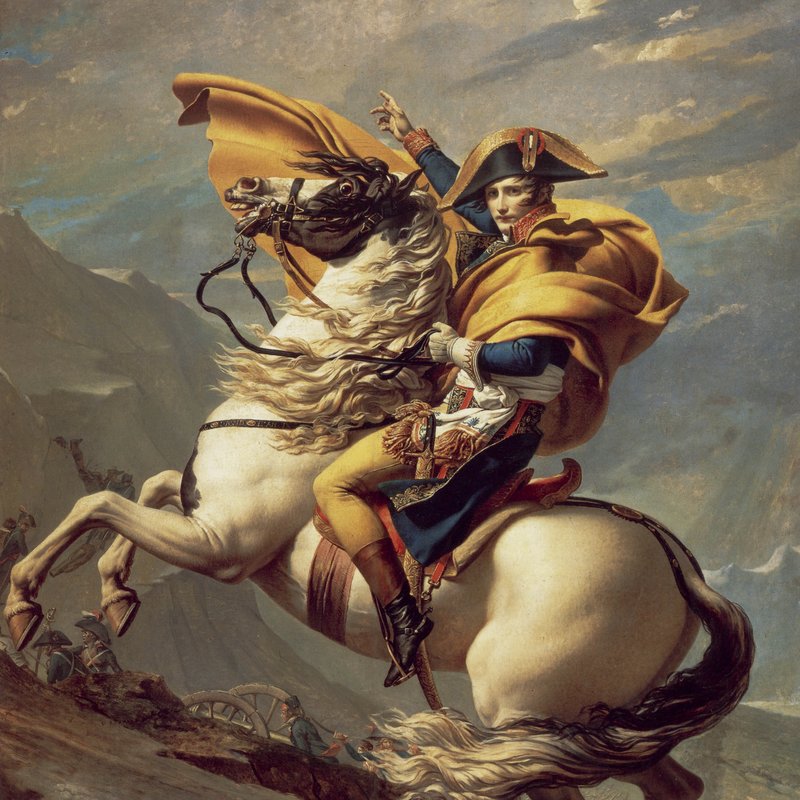 NapoleonEmperor, age 44 NapoleonEmperor, age 44 |
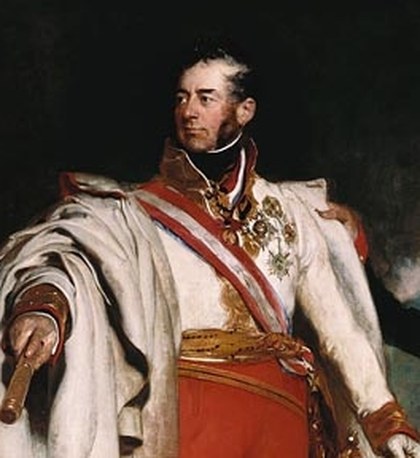 Schwarzenbergcoalition commander-in-chief, age 42 Schwarzenbergcoalition commander-in-chief, age 42 |
Note: the Tsar of Russia, the Emperor of Austria, and the King of Prussia were all present with the coalition army and frequently intervened in the dispositions of the commander-in-chief, Schwarzenberg. For corps-level commanders, see §3, The two armies.
2. Strategic background: the recipe a pupil wrote
After the catastrophe in Russia in 1812, Napoleon rebuilt an army around young conscripts and won tactical victories at Lützen and Bautzen in the spring of 1813. But his cavalry had been wiped out, so he could not pursue and destroy a beaten enemy. Granting the enemy time through the summer armistice proved fatal: during it, Austria joined the coalition, and the ring closing around him was complete.
It was at this point that the coalition adopted the Trachenberg plan. Its essence was this: do not seek a decisive battle with any army Napoleon commands in person; instead, beat the detachments led by his marshals one at a time, and only encircle once an overwhelming mass has been gathered[4]. Deeply involved in drawing it up was Bernadotte — once a marshal of Napoleon's, now Crown Prince of Sweden. The former subordinate who knew the Emperor's hand better than anyone wrote the recipe for beating him.
The plan worked. Through the summer and autumn, Napoleon's marshals — Oudinot, Ney, Macdonald, Vandamme — were beaten one after another at Großbeeren, the Katzbach, Kulm, and Dennewitz. The Emperor himself won at Dresden, but it was no more than a local victory[3]. In October the three coalition armies — Schwarzenberg's Army of Bohemia from the south, Blücher's Army of Silesia from the north, and Bernadotte's Army of the North from the northeast — began to squeeze Napoleon, now concentrated at Leipzig, from every side.
3. The two armies and the "ring battlefield"
French and allied army
-
Supreme command (central position)
Napoleon (Emperor, age 44)
-
Northern wing
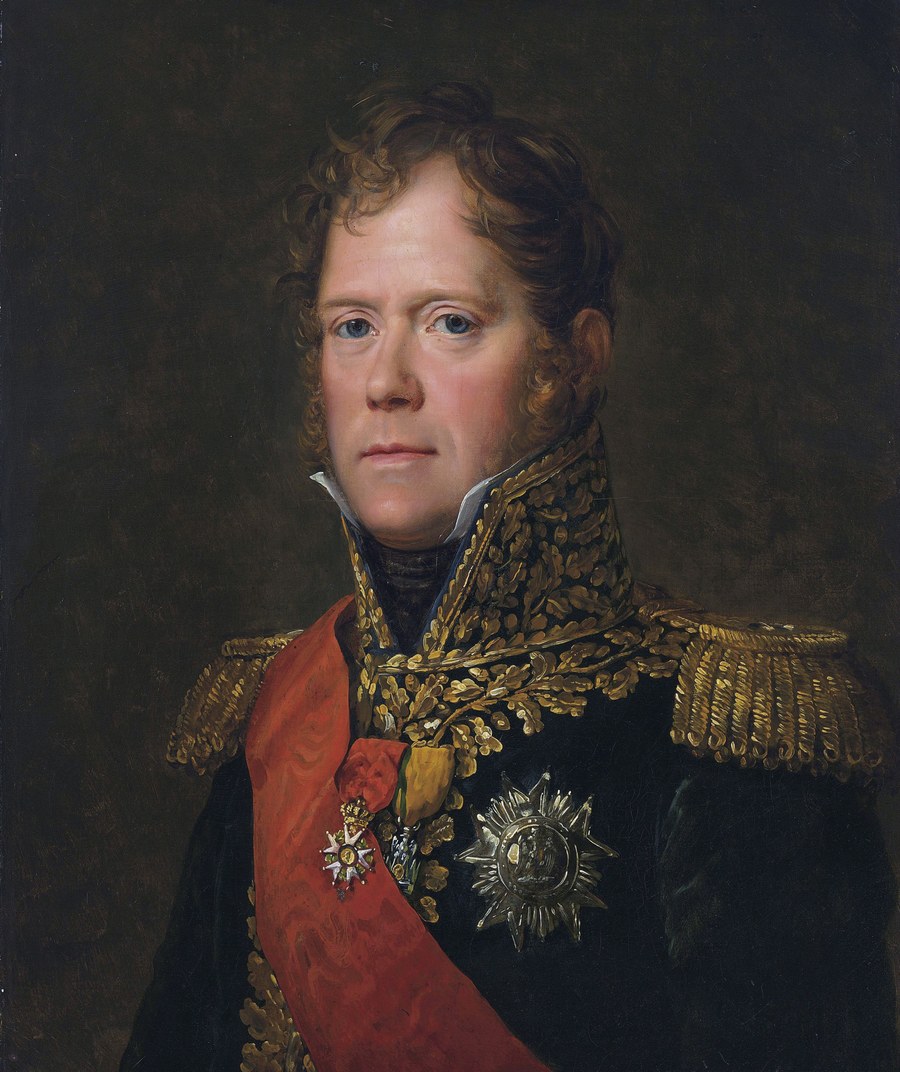 Ney (northern wing, age 44)
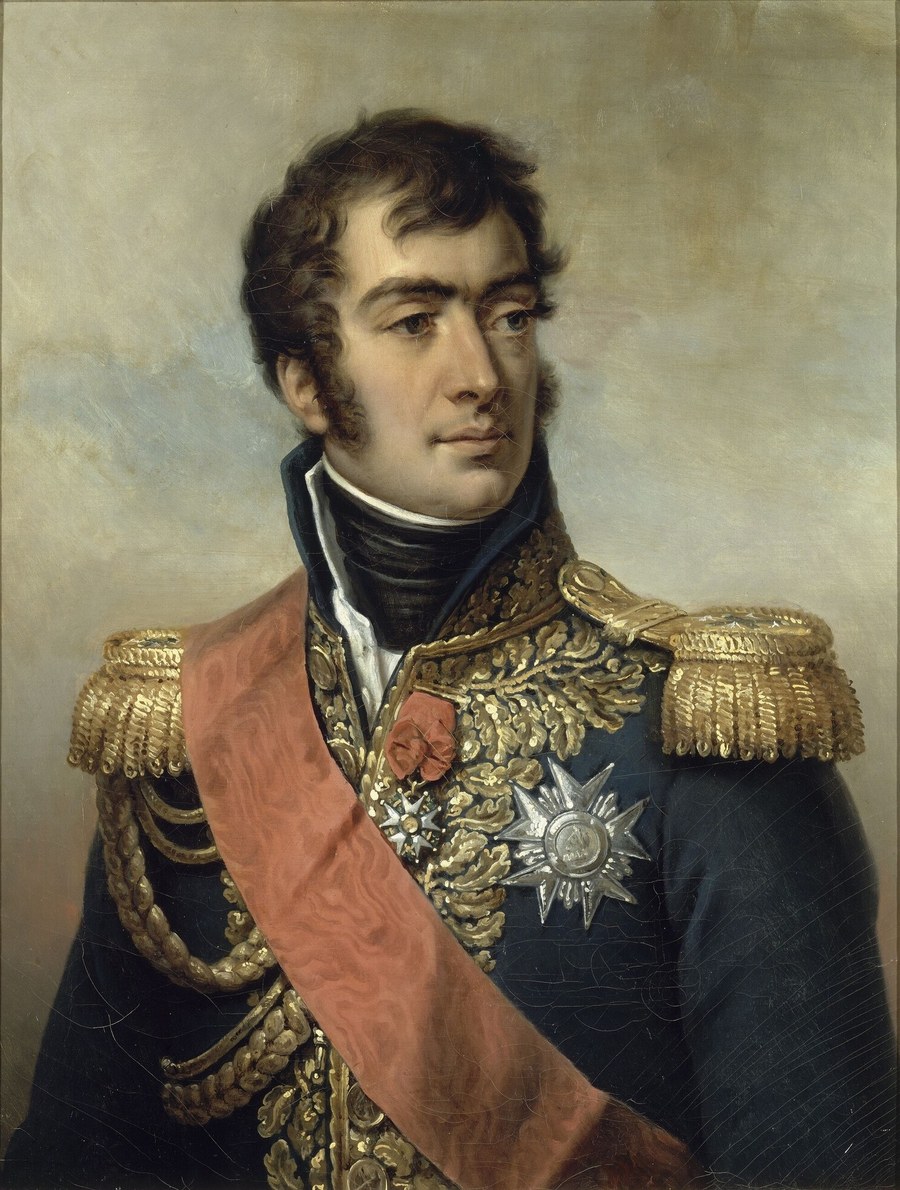 Marmont (VI Corps, age 39 / beaten at Möckern)
-
Southern and eastern wings
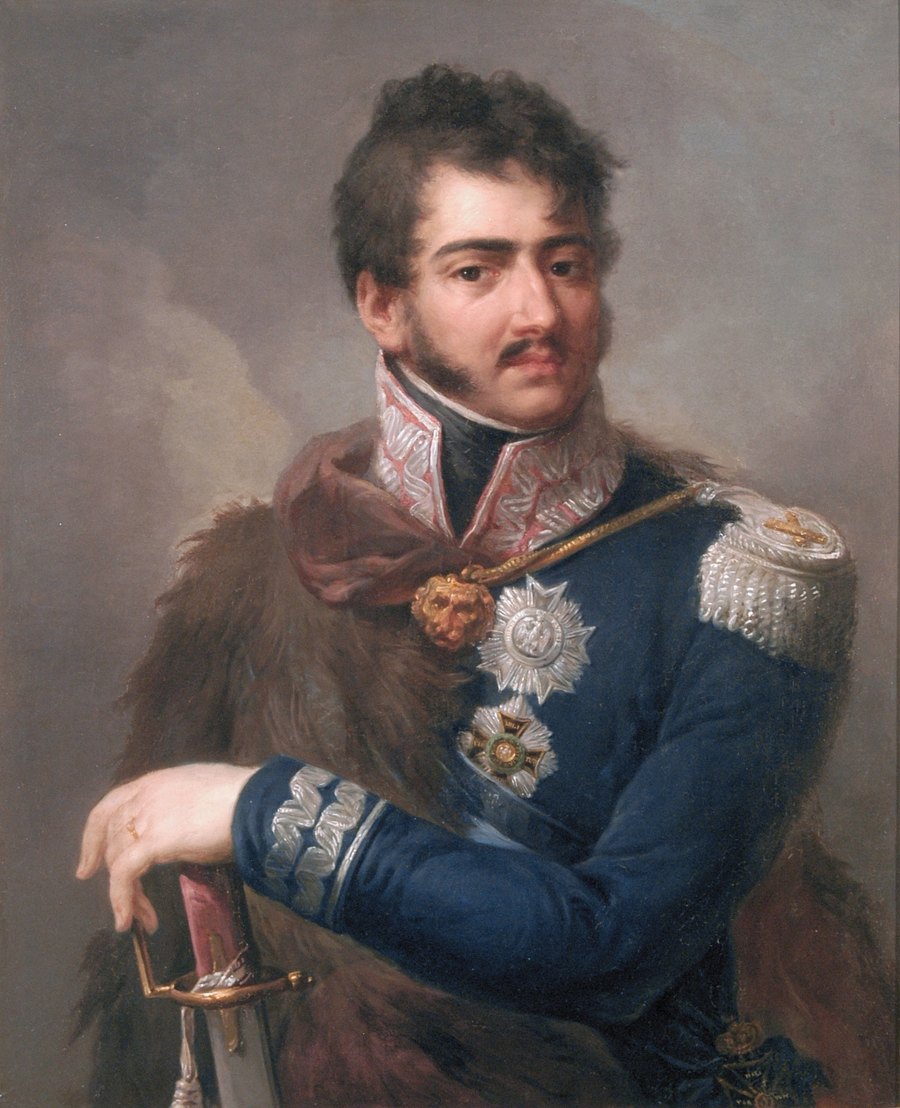 Poniatowski (southern wing, age 50 / drowned days after promotion to marshal)
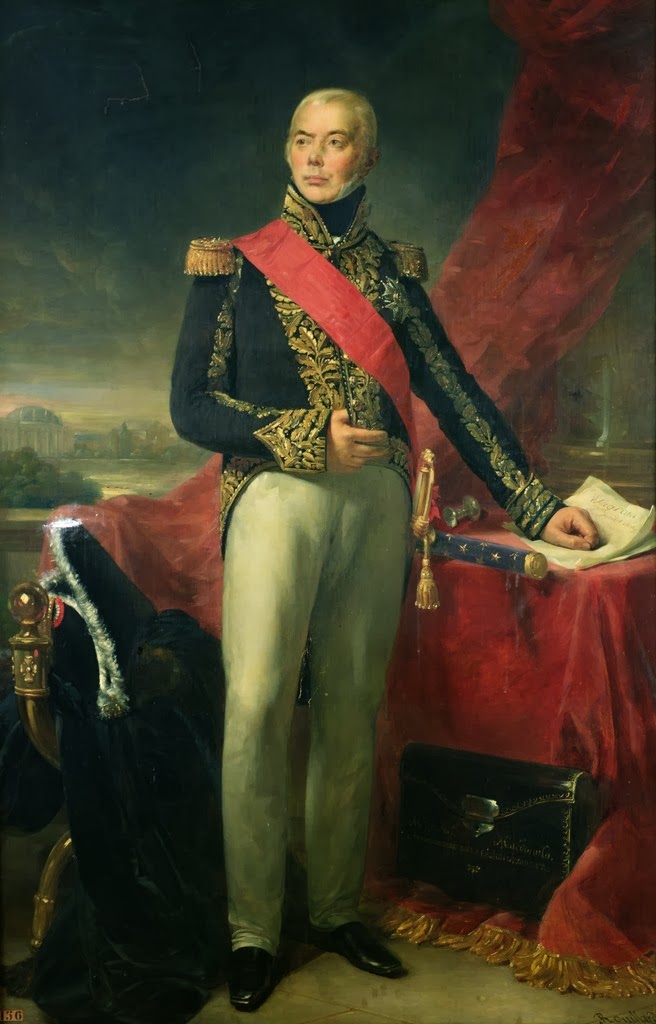 Macdonald (eastern wing, age 47 / swam the river and survived)
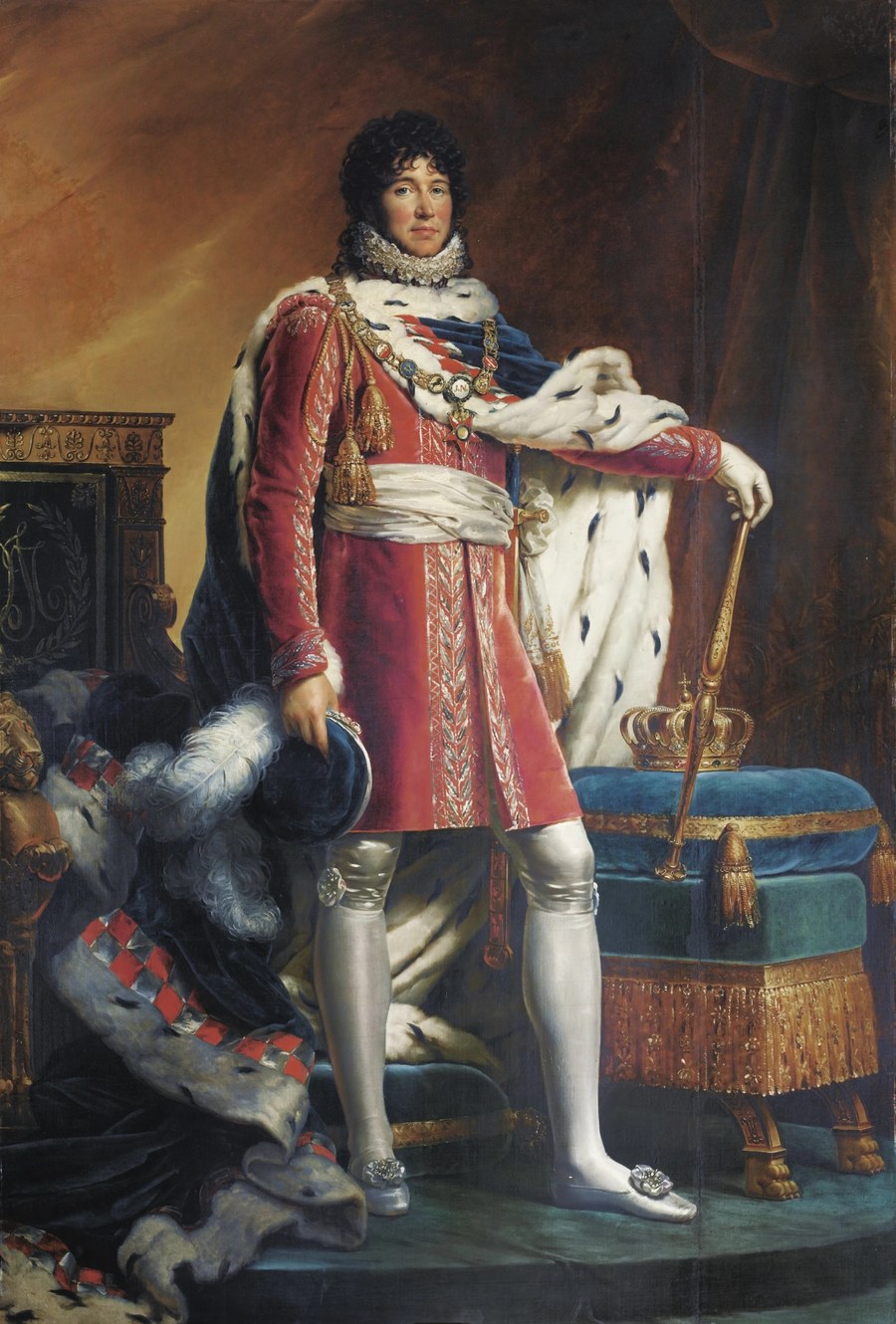 Murat (cavalry, age 46)
Coalition (Russia, Prussia, Austria, Sweden)
-
Commander-in-chief (Austria / Army of Bohemia)
Schwarzenberg (coalition commander-in-chief, age 42)
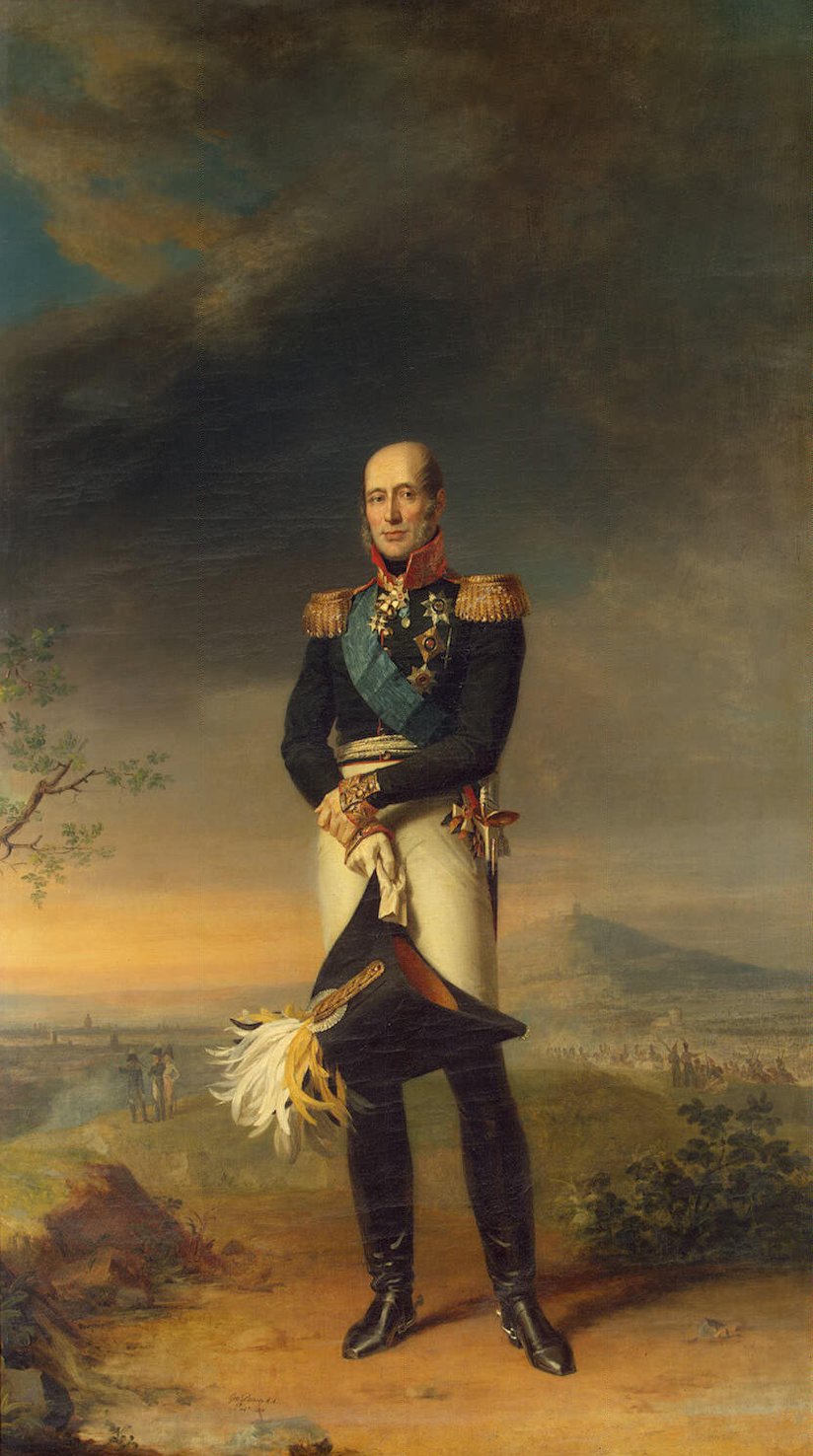 Barclay de Tolly (Russian army, age 51)
-
North (Prussia / Army of Silesia)
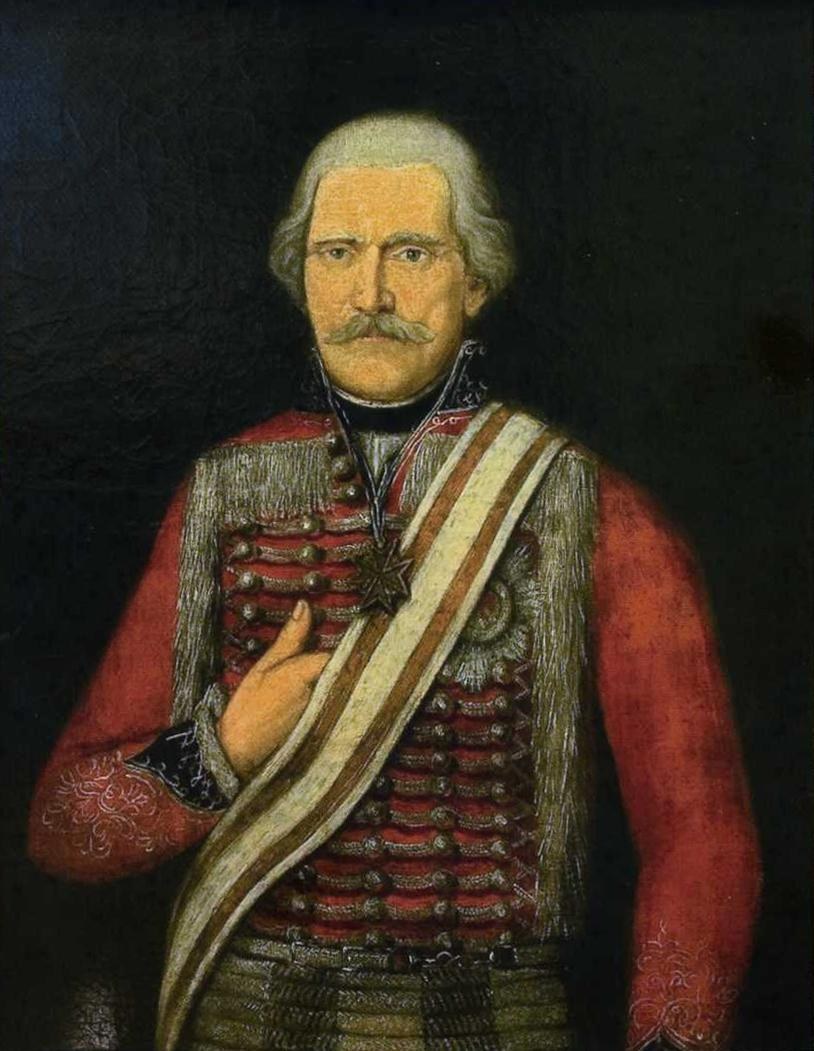 Blücher (Army of Silesia, age 70 / victorious at Möckern)
-
Northeast and east (Army of the North / Army of Poland)
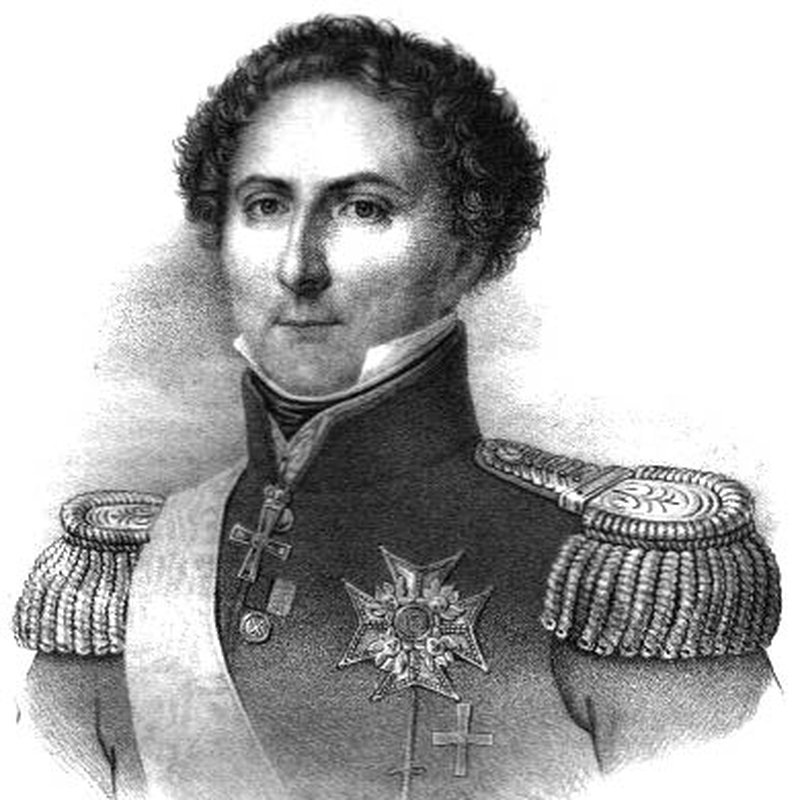 Bernadotte (Army of the North, age 50 / former French marshal, author of the plan)
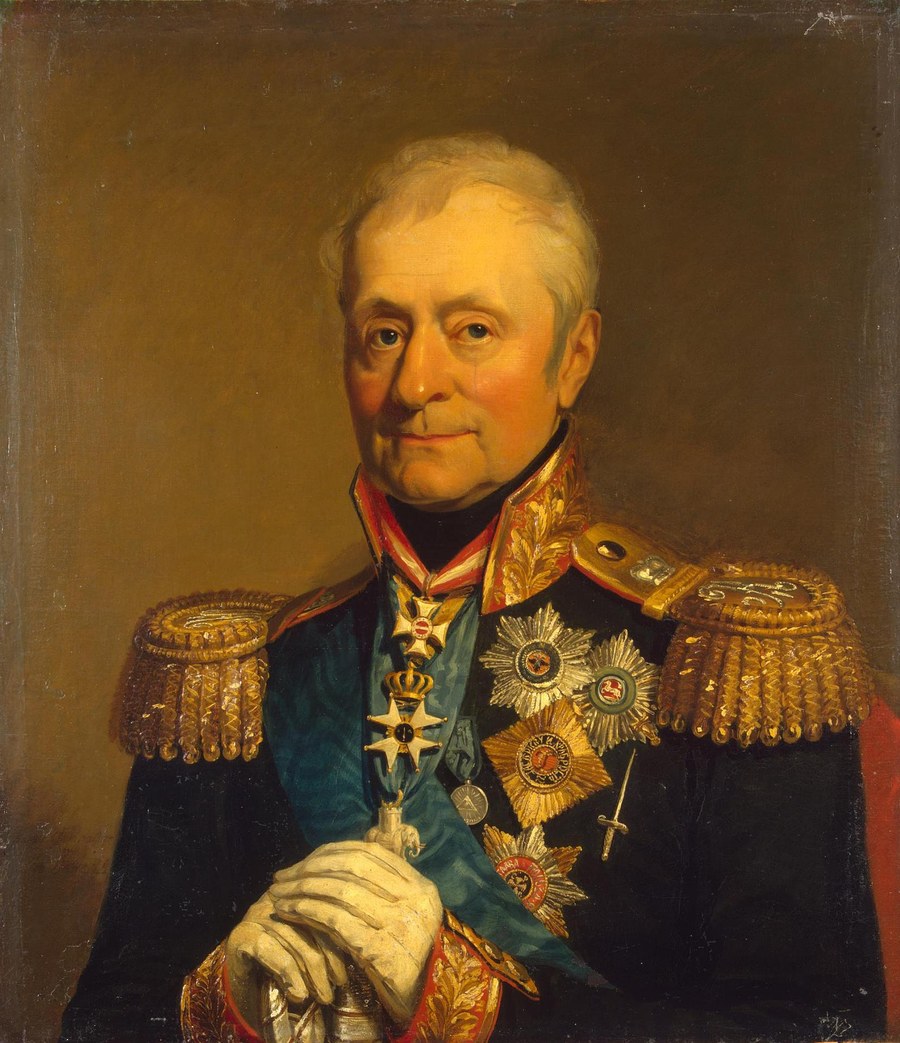 Bennigsen (Army of Poland, age 68 / reinforcement from the east)
The terrain completed the encirclement. The town of Leipzig was ringed by villages, and the coalition pressed in from the south (Wachau, Liebertwolkwitz, Probstheida), the north (Möckern), and the east (Paunsdorf). And to the west — the only line of retreat — there was nothing but the single causeway at Lindenau, crossing the marshy Elster[5]. Napoleon held the center of the ring, but seen from the other side, that meant he sat inside a sack with a single narrow mouth.
4. The course of battle: four days of encirclement
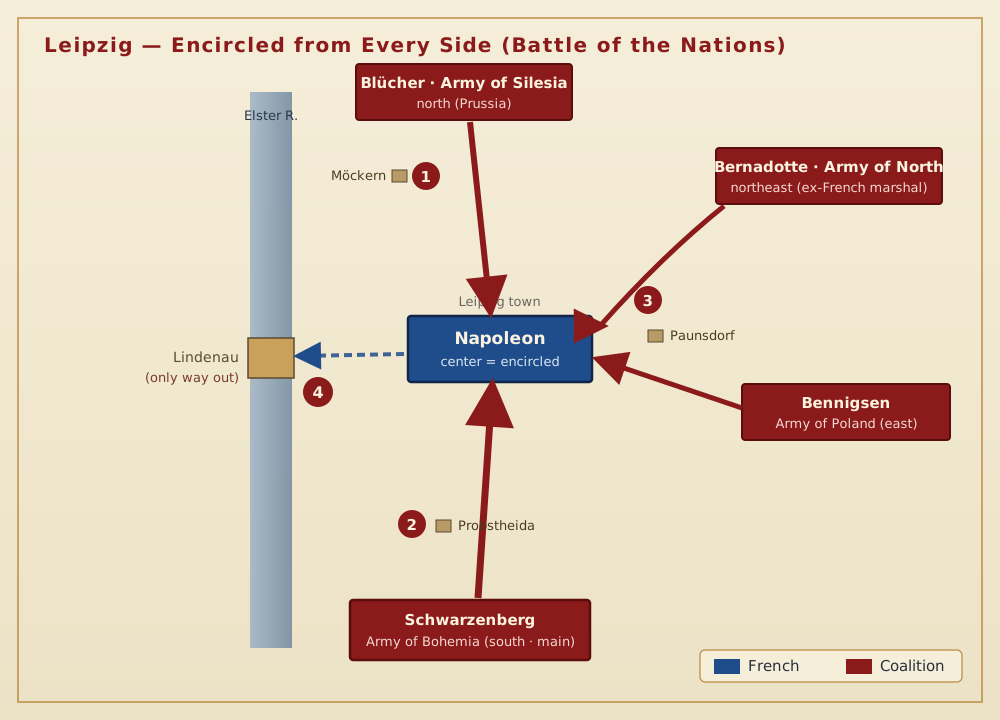
16 October (day one): a draw, and a defeat in the north. In the south Schwarzenberg attacked Wachau and Liebertwolkwitz, and after fierce fighting the result was a draw. In the afternoon a massive cavalry charge under Murat (up to about 10,000 horse) broke the coalition center and came within close range of the heights where the Tsar of Russia stood, but with no infantry following up it was thrown back[5]. In the north, meanwhile, Blücher's Army of Silesia beat Marmont at Möckern. Day one was inconclusive overall — but the coalition's reinforcements were about to double.
17 October (day two): a fatal hesitation. The battlefield was nearly quiet this day. Napoleon should have withdrawn. Instead he stayed, and used a captured Austrian general, Meerfeldt, to put out a peace feeler. The three sovereigns ignored it[3]. In the interval, Bennigsen's Army of Poland and Bernadotte's Army of the North arrived, opening the numerical gap to about two to one. Nor did he have a reserve bridge built over the Elster. This single day, with its missed window for retreat, sealed the disappearance of any chance of victory.
18 October (day three): a concentric assault from every side. The coalition attacked simultaneously from south, east, northeast, and north in six columns. The French fought a defensive battle, drawing the ring tighter toward Leipzig. Probstheida in the south held out after a bloody struggle, but late in the afternoon, near Paunsdorf in the east, came the incident — some 5,000 Saxon troops and Württemberg cavalry defected to the coalition in the middle of the fighting[2]. With ammunition running dry as well, that night Napoleon finally ordered the retreat.
19 October (day four): the disaster at the bridge. The French passed through the town and surged toward the single causeway at Lindenau in the west. Around one in the afternoon, while the officer in charge of the demolition had stepped away from his post, a single sapper who spotted coalition skirmishers blew the bridge prematurely, while the rearguard was still crossing. The rearguard stranded on the east bank surrendered, and prisoners taken that day reached about 30,000[6]. Poniatowski, only just promoted to marshal and already wounded, tried to swim the river and drowned; Macdonald swam across and survived. But the tragedy at the bridge only deepened the catastrophe — the defeat itself was already decided.
5. The paradox of the central position: interior lines invert into a pocket
The essence of Leipzig comes into view when you set it side by side, in reverse, with Austerlitz.
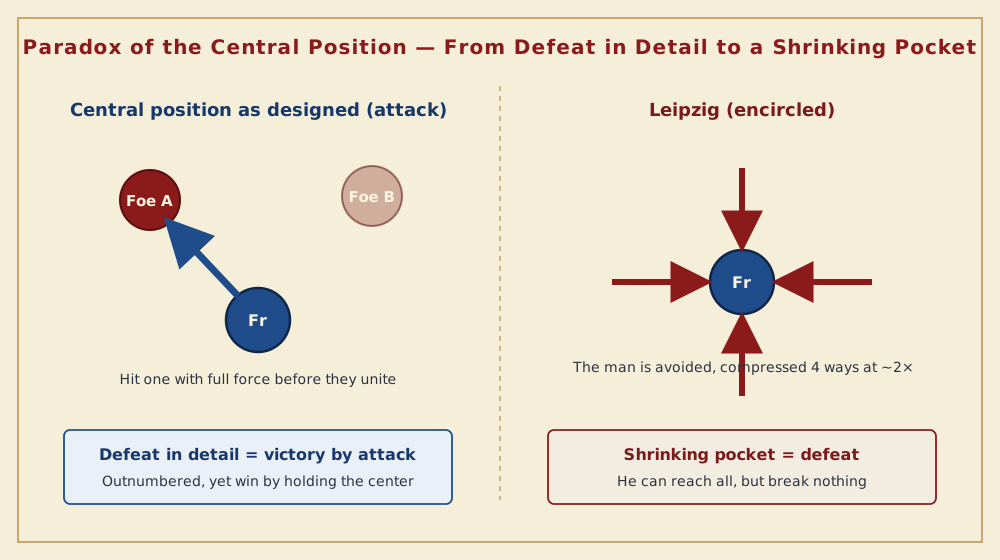
Napoleon's signature was the "central position" (interior lines). He would plant himself in the middle of several enemies approaching separately and, before they could unite, throw his full force against one and beat it in detail — the method by which he won again and again at Austerlitz and in his early campaigns.
At Leipzig, both of the conditions on which this method depends had collapsed. First, the coalition held roughly one and a half to two times the numbers. Second, under the Trachenberg plan, the coalition refused a decisive battle on whatever front Napoleon was present in person. So even at the center, he could not decisively crush the enemy on any front. He could reach in every direction, yet break nothing, while being pressed in from all four sides. The central position, which was supposed to defeat the enemy in detail, inverted into a "shrinking pocket" that merely waited to be defeated in detail itself. Historians also note that by 1813 his qualitative edge — veteran troops, cavalry, marshals who could operate independently — had been worn away[4]. The method that built the empire was used in reverse, by a coalition that had scaled up that very same logic.
6. Anatomy of defeat: four factors
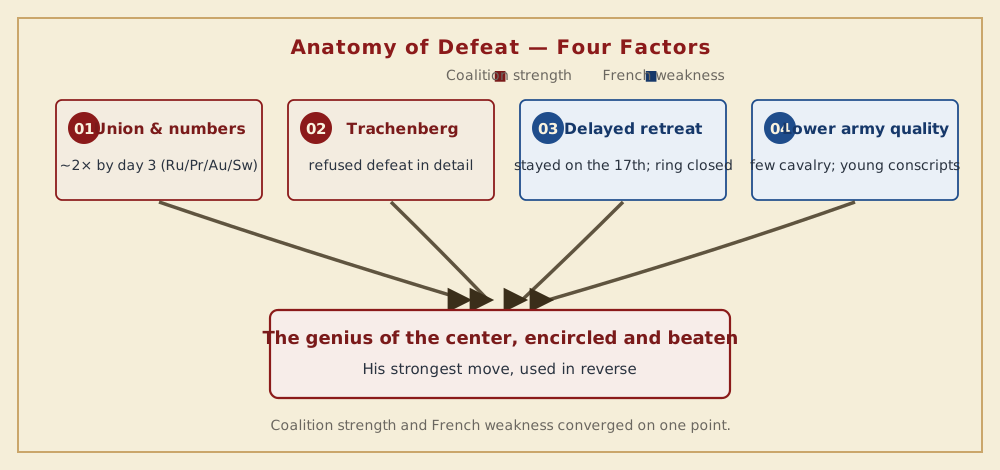
Why did a genius lose so plainly? The causes break down into four.
The coalition united, doubling the numbers
Russia, Prussia, Austria, and Sweden gathered on one battlefield, and by day three it was about 360,000 against about 190,000. The divided enemy had become one. No tactic could surmount that wall of numbers.
Trachenberg denied defeat in detail
The coalition refused a decisive battle with Napoleon in person and beat his marshals one at a time. Robbed of the precondition for the central position — striking the enemy one by one — his strongest move spun uselessly.
The delayed retreat on the 17th
Not withdrawing on day two, gambling on peace instead, and failing to build a reserve bridge completed the encirclement and brought on the bridge disaster of day four. The judgment of when to quit was fatal.
The decline in army quality
The Russian campaign cost him his veterans and his cavalry, and the army of 1813 was built mainly on young conscripts. Even when he won, he could not finish the enemy off in pursuit — the weakness running back to Lützen and Bautzen in spring told here too.
7. Dismantling the myth: the defection and the bridge were not the cause
Leipzig has two dramatic scenes: the Saxon defection on day three and the premature blowing of the bridge on day four. Both are told as symbols of the defeat, but neither was the cause of it.
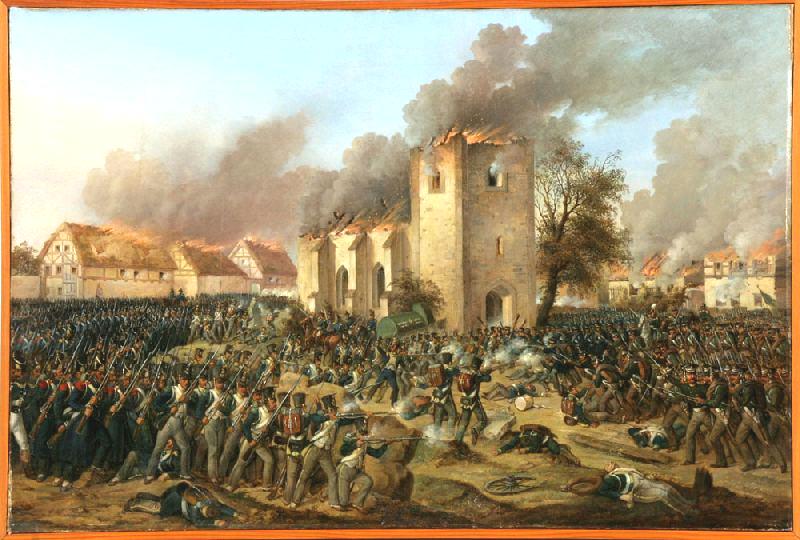
The key southern position of Probstheida held out after bloody fighting. What decided the battle was not spectacular incidents but attrition like this, at the front.
The defection of the Saxon troops (about 5,000) hastened a local collapse, but against a battle of some 560,000 men it was small. The leading historians see it not as a cause of defeat but as part of the result. Napoleon himself later used it as an excuse for the defeat, but what actually decided matters was the roughly two-to-one disparity in numbers and the exhaustion of his ammunition[2].
The premature blowing of the bridge is the same. It tends to be told as the blunder of a single sapper, but the real responsibility lies with the command decisions — delaying the retreat, building no reserve bridge, narrowing the line of withdrawal to one. Even with the bridge intact, the defeat of an army encircled by twice its number would not have changed. The disaster at the bridge deepened the losses, but the outcome was already decided. To pin the defeat on a flashy betrayal or an accident is to look away from the structure.
8. Counterfactual simulation
The following is a thought experiment grounded in the sources; its conclusions cannot be proven. It is offered to make the dependencies between factors visible.
| Branch | Tactical outcome | Long-term effect |
|---|---|---|
| A: Napoleon retreats on the 17th | Had he slipped west through Lindenau before the encirclement closed, he might have pulled back to the line of the Saale with his army intact. Both the bridge disaster and the roughly 30,000 prisoners would have been avoided. | With the army preserved, he might have fought the defensive campaign of 1814 on better terms. But the larger fact of losing Germany would not have been reversed, given the disparity in numbers. A branch in which the timing of the withdrawal governed the scale of the loss. |
| B: he refuses the summer armistice | Had he not given the coalition time to reorganize and bring Austria into the war, the ring might never have closed so completely. The chance to beat the enemy in detail would also have remained. | The precondition for the Trachenberg plan — the massing of numbers — would have collapsed, and an encirclement on the scale of Leipzig might not have occurred. A branch showing the price of giving time to the enemy. |
| C: the coalition accepts being beaten in detail | Had the coalition abandoned the Trachenberg plan and fought Napoleon in person, front by front, he might have used the central position to beat them in detail. | It was precisely the coalition's "disciplined self-restraint" that won the campaign. A branch showing the weight of the fact that the enemy refused to fight on his ground. Declining to be beaten in detail was a victory not of tactics but of strategy. |
What the three branches show is that the defeat at Leipzig was not a single mistake but the product of a structure: the massing of numbers, the refusal to be beaten in detail, and the delayed withdrawal. C above in particular — the coalition's refusal to fight in the way he was good at — lay beneath everything else.
9. Strategic consequences: from the loss of Germany to abdication
The defeat at Leipzig sharply accelerated the collapse of the empire.
- 30–31 October: Wrede's Austro-Bavarian army tried to block the retreating Napoleon at Hanau, but the Emperor broke through, crossed the Rhine, and returned to France with some 60,000–70,000 surviving troops[5]
- November: the Confederation of the Rhine collapsed. Bavaria had already defected before the battle (on 8 October), and Leipzig sealed the defection of the German states. France lost everything east of the Rhine
- 1814: the coalition invaded France itself. Paris fell in March, and on 6 April Napoleon announced his first abdication and was exiled to Elba (the Treaty of Fontainebleau was on 11 April)[2]
- Saxony, which had defected, lost about 60% of its territory (about 40% of its population) to Prussia at the Congress of Vienna
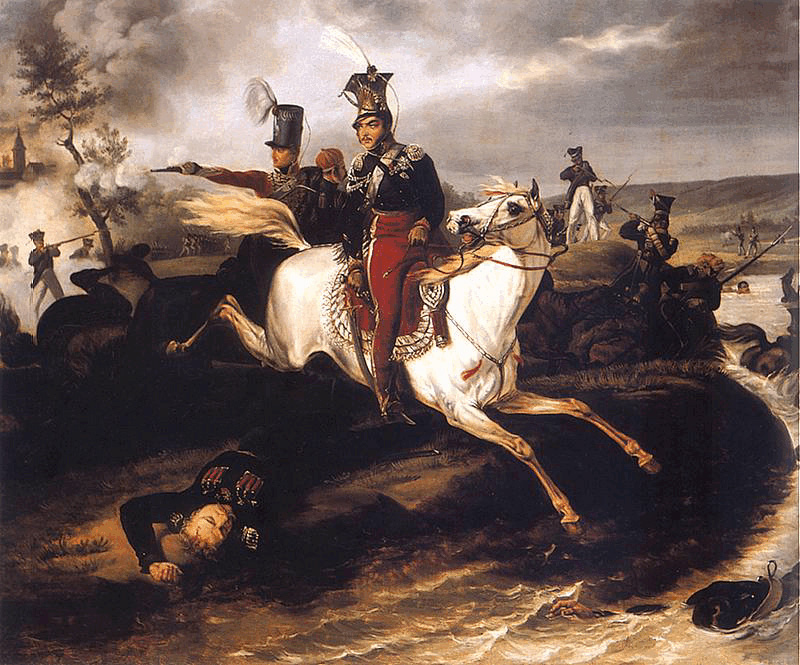
Only days after his promotion to marshal, his line of retreat cut by the bridge, Poniatowski was swallowed by the Elster — the consequence of an encirclement with only one way out.
The "Battle of the Nations" was the greatest decisive defeat Napoleon had suffered to that point, and the beginning of the end of the empire. He lost his army in Russia (at Borodino he could not even destroy the enemy force), and he lost Germany at Leipzig. What remained was France itself.
10. Lessons for today
What Leipzig poses is the view that "a ruler's method gets imitated. And when rivals unite, avoid his ground, and surround him by numbers, the strongest move turns instead into a weakness."
- The method is imitated and you are surrounded by a coalition: a first-mover's strength becomes the biggest target the moment rivals learn it and band together. Nokia held about 40% of the world handset market in 2007 and reigned with its own OS, Symbian. But that November, Google launched the Open Handset Alliance — a coalition of HTC, Motorola, Samsung, carriers, and chipmakers — and countered with the free, open Android. Against a coalition that united by deliberately leaving Nokia out, Nokia fought alone and was overrun, selling its handset business to Microsoft in 2013. The strength of going it alone turned into isolation in the face of a coalition.
- The opponent avoids "your ground": just as the coalition refused a decisive battle with Napoleon himself, smart rivals avoid a head-on clash in the king's strongest domain and surround him on a different axis (openness, standardization, price). The Blu-ray camp (a coalition of Sony, Panasonic, and many film studios) beat Toshiba's HD DVD with a broader alliance and the spread of the PS3, forcing it to withdraw in February 2008 — a victory of "the breadth of the coalition," not of any single firm's technical strength
- Miss the moment to quit and the losses snowball: just as Napoleon did not withdraw on the 17th, a king tends to delay retreat on the illusion that he "can still win." The decision to pull out before the encirclement closes determines the scale of the loss
The Emperor who divided the enemy at Austerlitz was himself divided and encircled at Leipzig. This contrast shows that any powerful method, however strong, can be neutralized once it is imitated, once rivals unite, and once they refuse your ground.
Closing: the day the pupil swallowed the master
Leipzig is the battle in which Napoleon's method was turned against himself. Hold the central position and beat the enemy in detail — that logic the coalition reversed through scale and self-restraint. Avoid the man, beat his marshals, mass the numbers, wrap him from every side. The genius at the center, able to reach in all directions, broke nothing, and shrank.
The man who wrote the recipe for beating the Emperor was once his own marshal, Bernadotte. The one who best knew the way of fighting that had built the empire used it in reverse. Napoleon, the one who divided the enemy at Austerlitz, became the one who was divided at Leipzig. He had lost his army in Russia and the Confederation of the Rhine in Germany, and the fight on the last ground left to him — France itself — was now close at hand.
FAQ
It was the largest battle in European history before the First World War, with some 560,000 men engaged, and the greatest decisive defeat Napoleon had suffered to that point. It brought about the collapse of the Confederation of the Rhine (Germany's dependent states) and cost Napoleon Germany. The defeat led directly to the invasion of France in 1814, his first abdication in April, and his exile to Elba. It was the battle in which the empire began to collapse.
Because it was a battle of many intermingled nations: France and its allies (Poland, Italy and German states) against a coalition of Russia, Prussia, Austria and Sweden (in German, Völkerschlacht). Over four days some 560,000 men and about 2,200 guns were committed, and casualties on both sides together reached about 130,000. In both scale and multinational character it surpassed every battle before it.
It was the anti-Napoleon strategy the coalition adopted in July 1813. Its essence was to avoid a decisive battle with any army Napoleon commanded in person and instead beat the detachments led by his marshals one at a time, encircling only after an overwhelming mass had been gathered. Its authors are said to have included Bernadotte — the Swedish Crown Prince and former marshal of Napoleon's — and the Austrian staff officer Radetzky. Ironically, the former subordinate who knew his method best wrote the recipe for beating him.
The central position (interior lines) has value only when you can beat converging enemies one at a time before they unite. At Leipzig the coalition held roughly one-and-a-half to two times the numbers and refused to be beaten in detail under the Trachenberg plan, so even at the center Napoleon could not decisively crush any front. He could reach in every direction but break nothing — the advantage of interior lines inverted into a shrinking pocket.
No. On the afternoon of day three (18 October), near Paunsdorf, some 5,000 Saxon troops and Württemberg cavalry defected to the coalition, hastening a local collapse. But the leading historians judge that, against the scale of the whole battle, this was small and not the cause of defeat. What brought the defeat was the roughly two-to-one disparity in numbers and the exhaustion of ammunition toward the end. Napoleon himself later used the defection as an excuse for the defeat.
The line of retreat had narrowed to the single causeway at Lindenau across the marshy Elster. Around one in the afternoon on 19 October, while the officer in charge of the demolition (Colonel Montfort) had stepped away, a single sapper who spotted coalition skirmishers blew the bridge prematurely, while the rearguard was still crossing. The rearguard stranded on the east bank surrendered, and prisoners taken that day reached about 30,000. Poniatowski, only just promoted to marshal (the sole foreign-born marshal) and already wounded, tried to swim the river and drowned; Macdonald swam across and survived. The real responsibility, however, lay with the command decisions: the delayed retreat and the lack of a reserve bridge.
This was a fatal hesitation. Instead of withdrawing, he used a captured Austrian general, Meerfeldt, to put out a peace feeler, which the three sovereigns ignored. In the interval the coalition received Bennigsen's Army of Poland and Bernadotte's Army of the North, widening the numerical gap to about two to one. He also failed to have a reserve bridge built over the Elster, which magnified the bridge disaster of day four. Missing the window for retreat sealed the disappearance of any chance of victory.
Napoleon retreated west, broke through Wrede's Austro-Bavarian army at Hanau (30–31 October), crossed the Rhine, and returned to France with some 60,000–70,000 surviving troops. The Confederation of the Rhine collapsed and Germany was lost. This led on to the invasion of France in 1814, the fall of Paris in March, his first abdication on 6 April, and his exile to Elba. Saxony, which had defected, lost about 60% of its territory (about 40% of its population) to Prussia at the Congress of Vienna.
Claims and Sources
- David G. Chandler(1966). The Campaigns of Napoleon, Macmillan.
- Encyclopædia Britannica. Battle of Leipzig, Encyclopædia Britannica. [link]
- Harrison W. Mark(2024). Battle of Leipzig, World History Encyclopedia. [link]
- Michael V. Leggiere(2015). Napoleon and the Struggle for Germany: The Franco-Prussian War of 1813, Cambridge University Press.
- J. Rickard(2009). Battle of Leipzig, 16-19 October 1813, HistoryOfWar.org. [link]
- Wikipedia contributors. Battle of Leipzig, Wikipedia. [link]