Wars & Campaigns
The Napoleonic Wars are a chain of wars and campaigns. A war is the conflict between states (the War of the Third Coalition); a campaign is one theatre or season of operations inside it (the Russian campaign); a battle is a single day within that. Here each war and campaign is taken as a unit and read for what it was actually fought over.
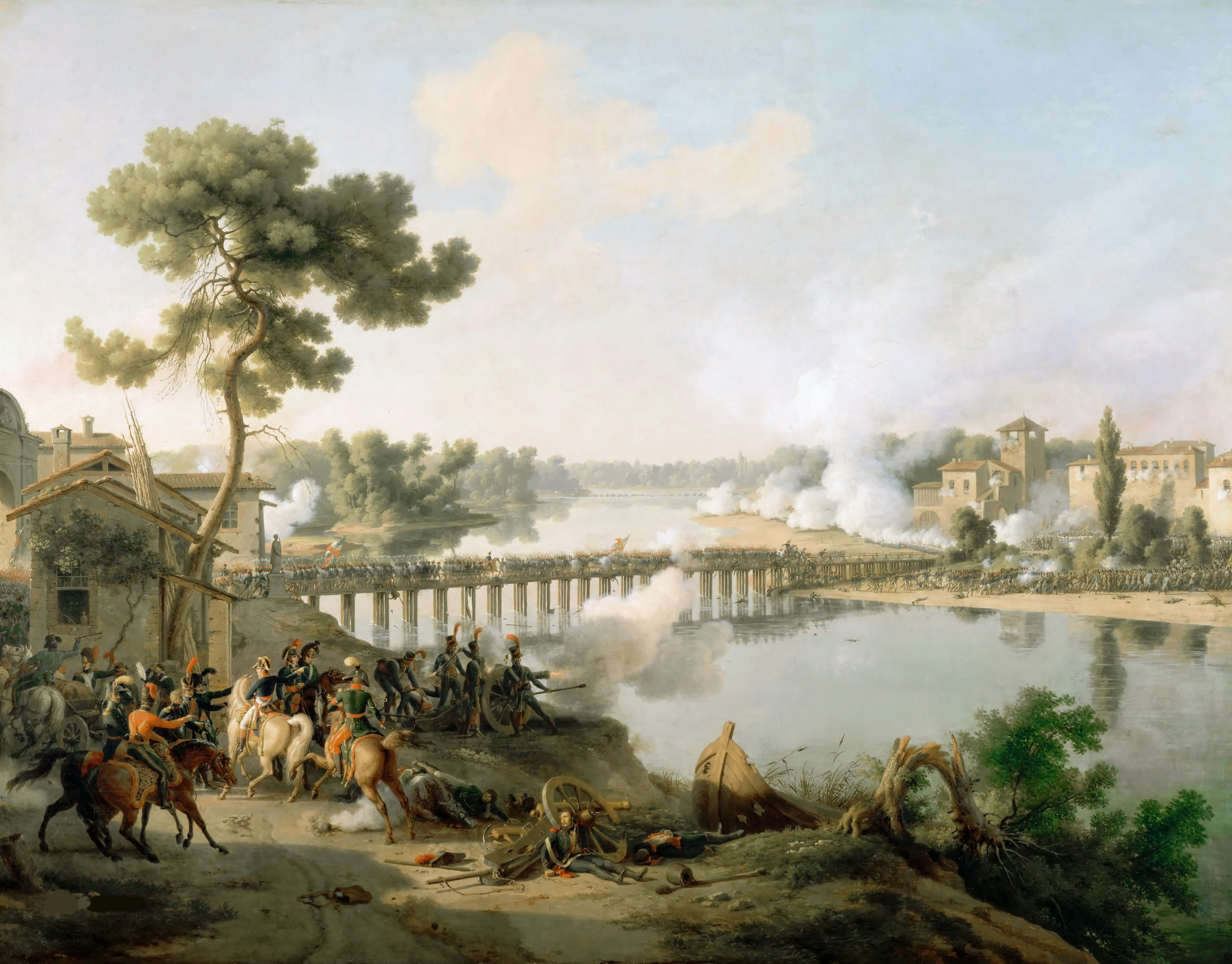
First Italian Campaign
A 26-year-old general took an unpaid army into northern Italy and broke the First Coalition in nineteen months. What was invented was a circuit that turned victory into capital.
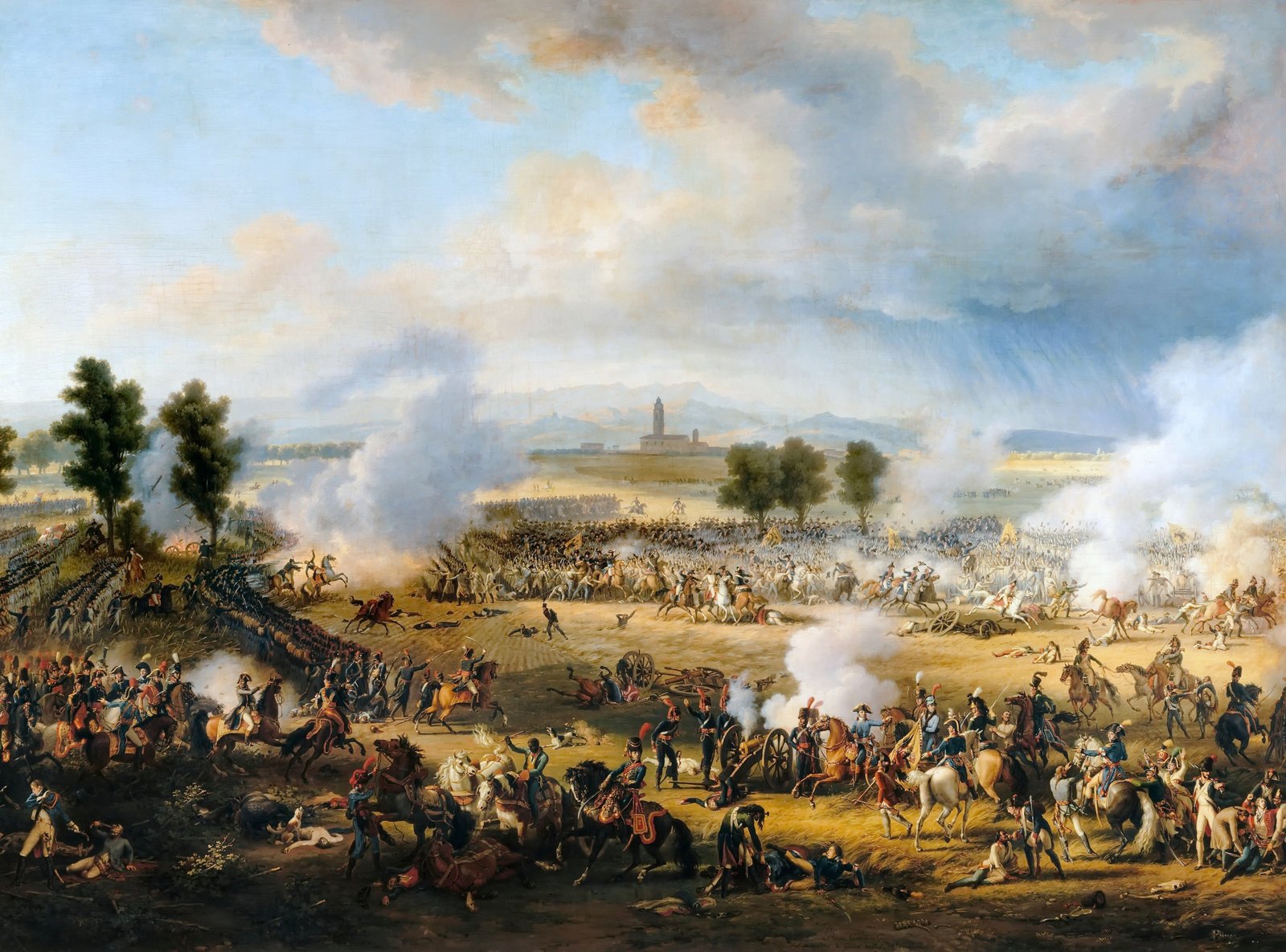
War of the Second Coalition
Eighteen months in Egypt undid the gains of 1796-97; Marengo scraped them back. But the battle that forced the peace was fought by another general, on another field.
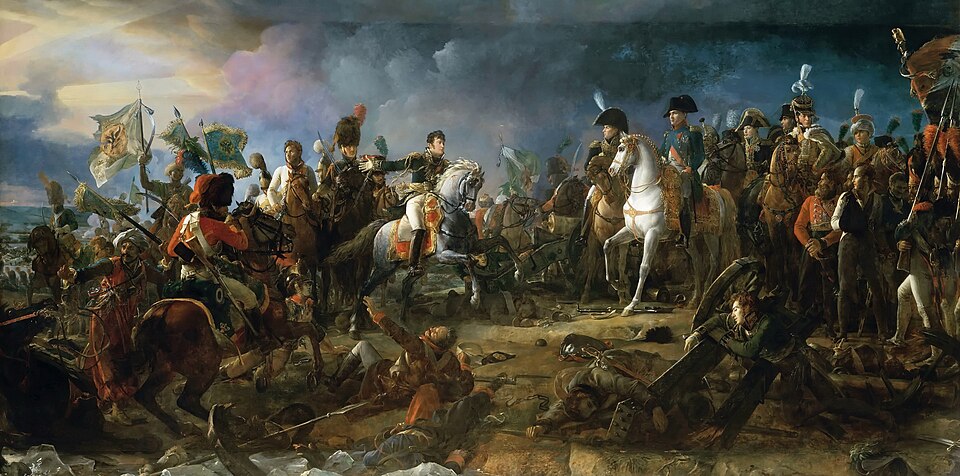
War of the Third Coalition
Ulm and Austerlitz were not two ways of winning but two outputs of one design: both worked by using a decision the enemy was right to make.
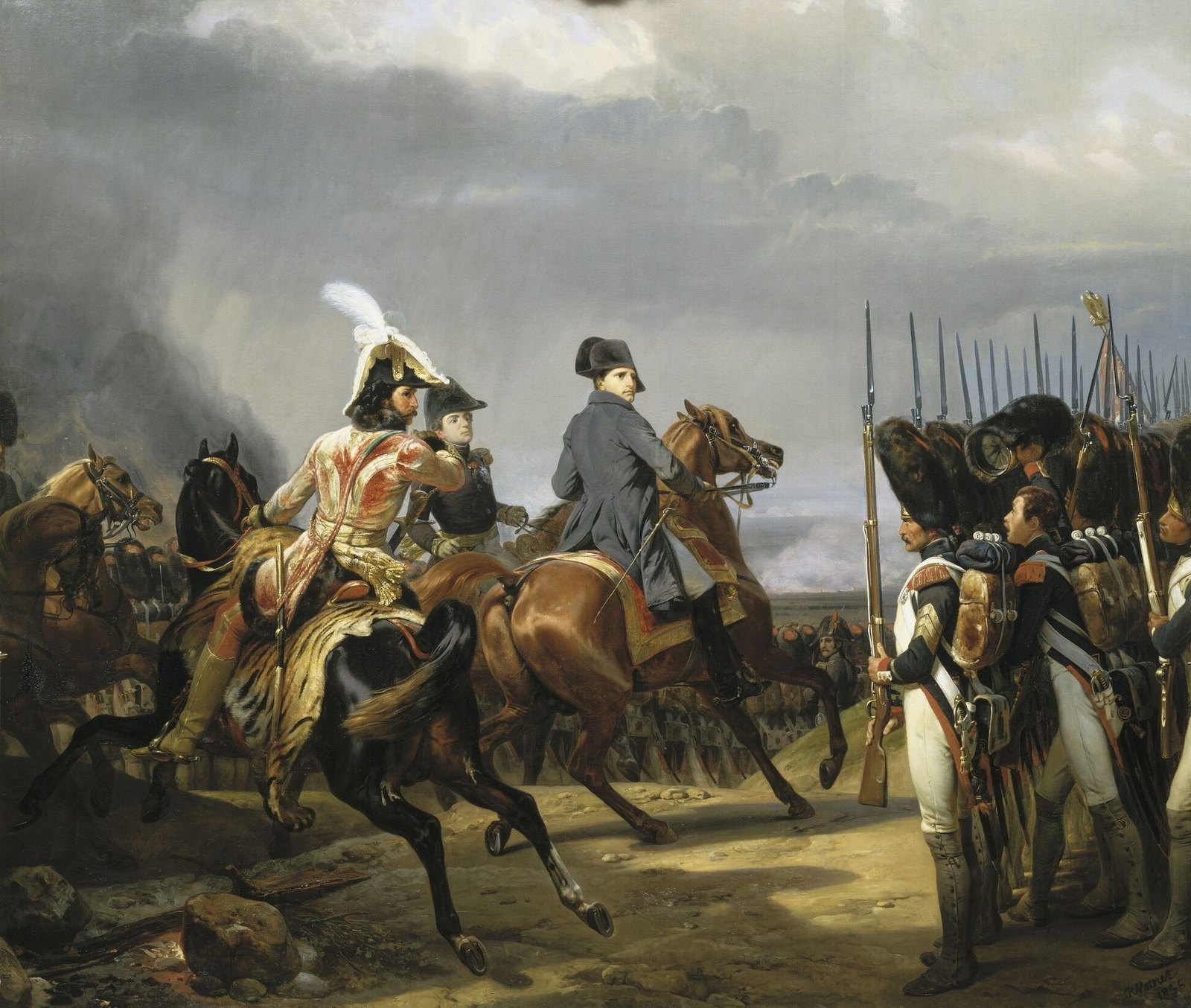
War of the Fourth Coalition
The only war in which the same army and the same method were tested three times with only the conditions changed. Jena-Auerstedt held, Eylau spun, Friedland recovered.
War of the Fifth Coalition
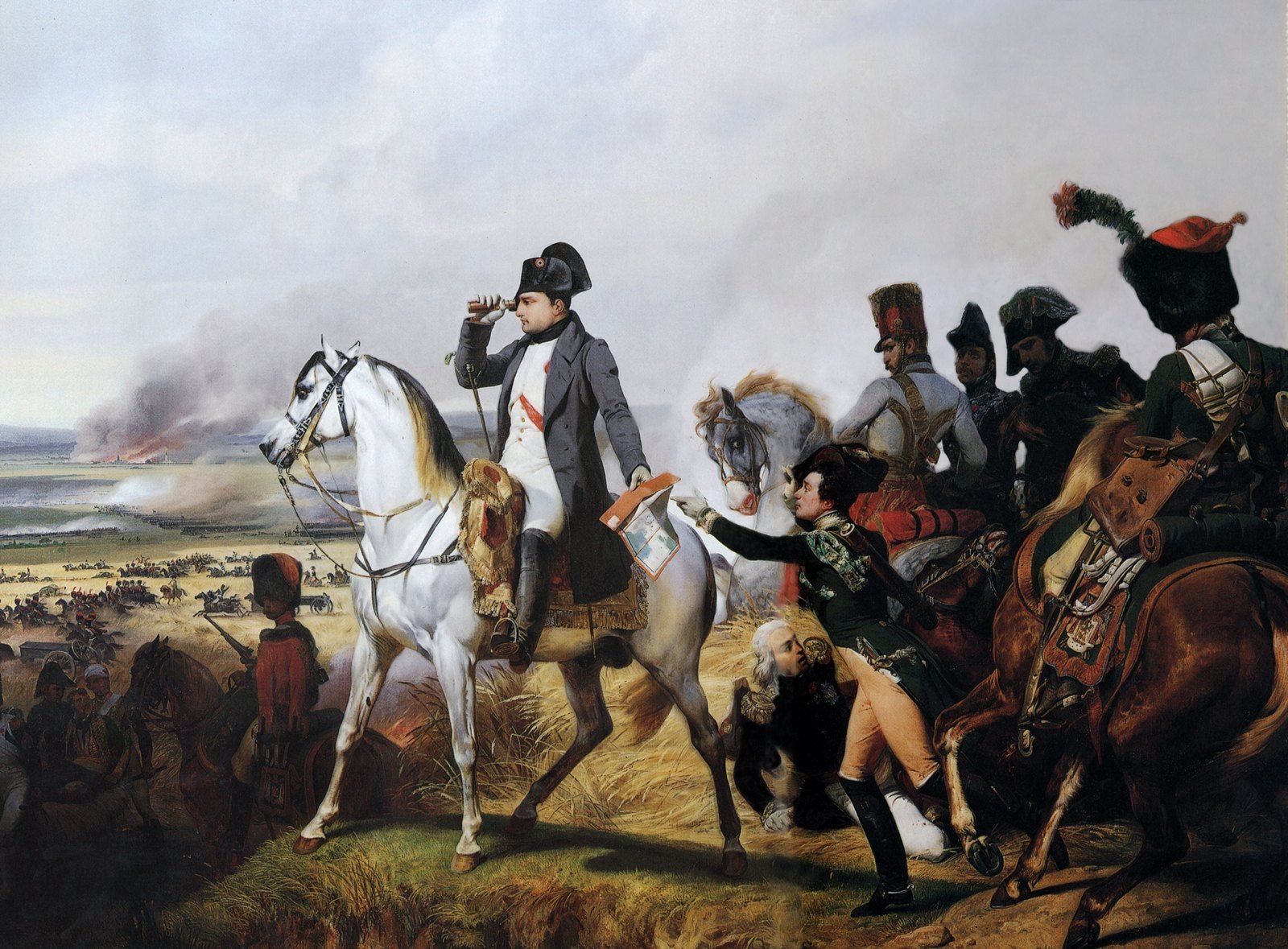
The year Napoleon lost a pitched battle for the first time and won it back six weeks later - from the same river, but by a different kind of victory.
Russian Campaign
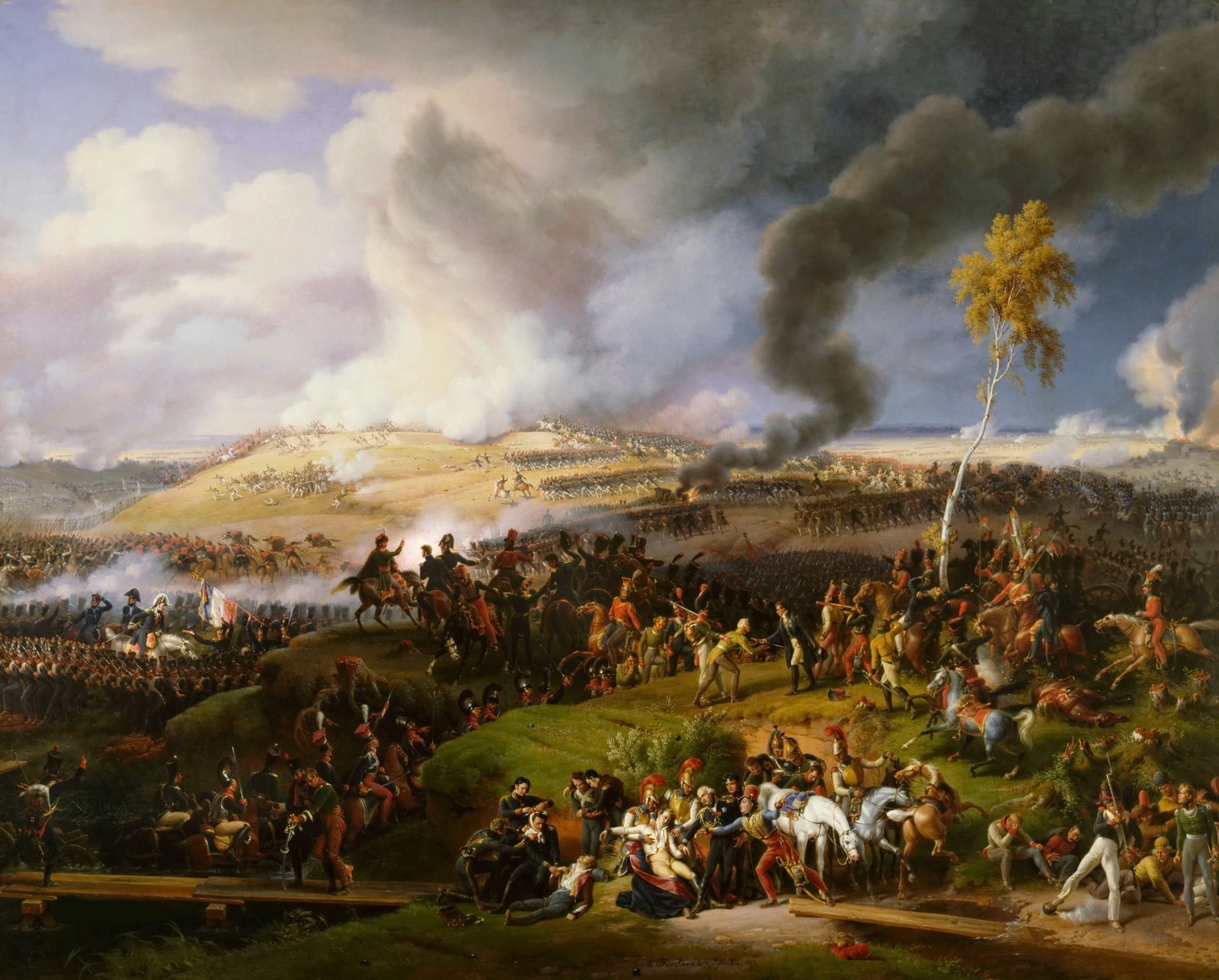
France won the battles, took the capital and advanced on the map. None of it damaged what Russia needed, because the two sides were not playing for the same thing.
War of the Sixth Coalition
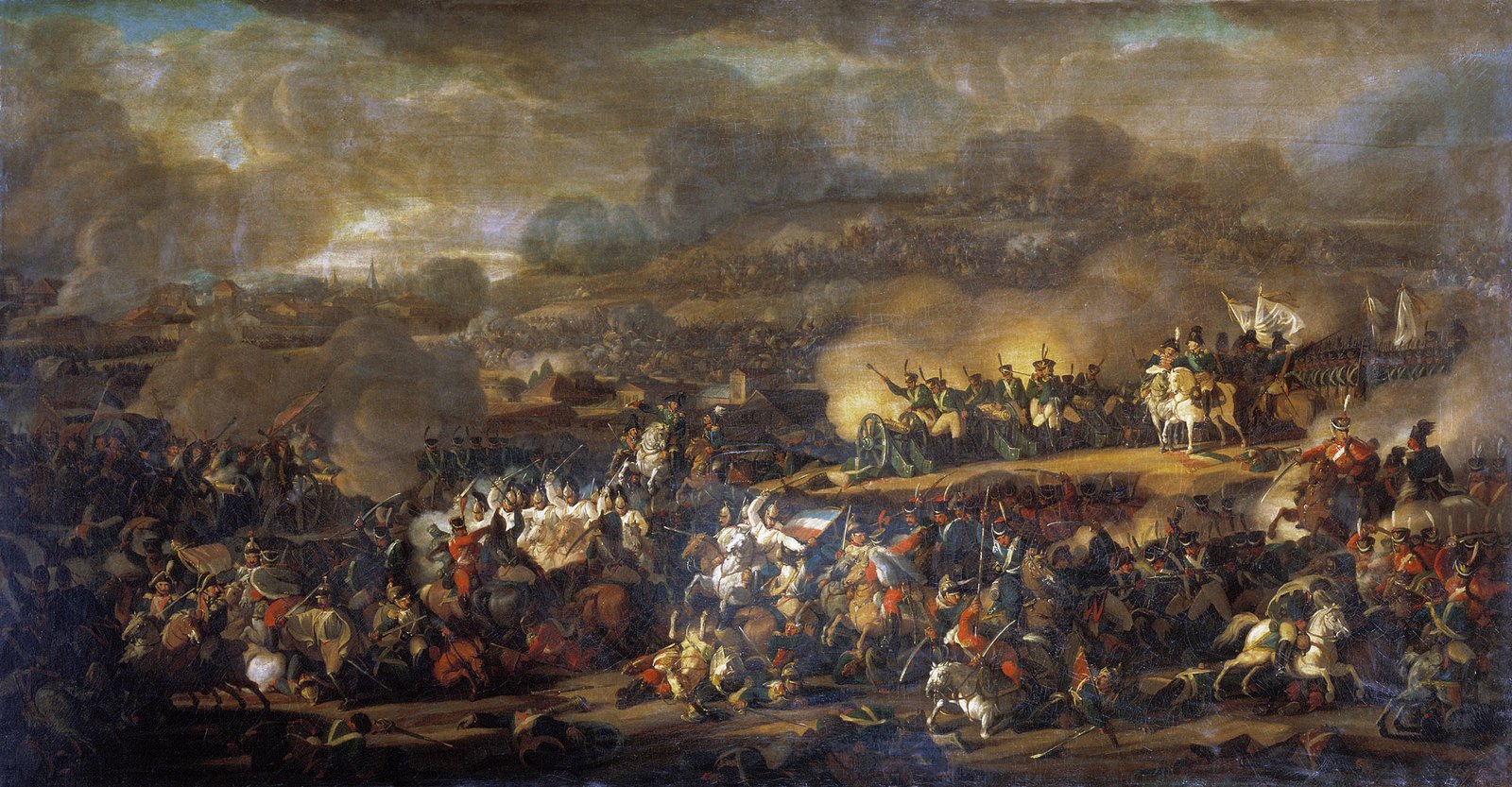
The year the allies adopted a one-line rule: never fight the army he commands in person. He won almost every battle he fought and lost the war anyway.
Hundred Days
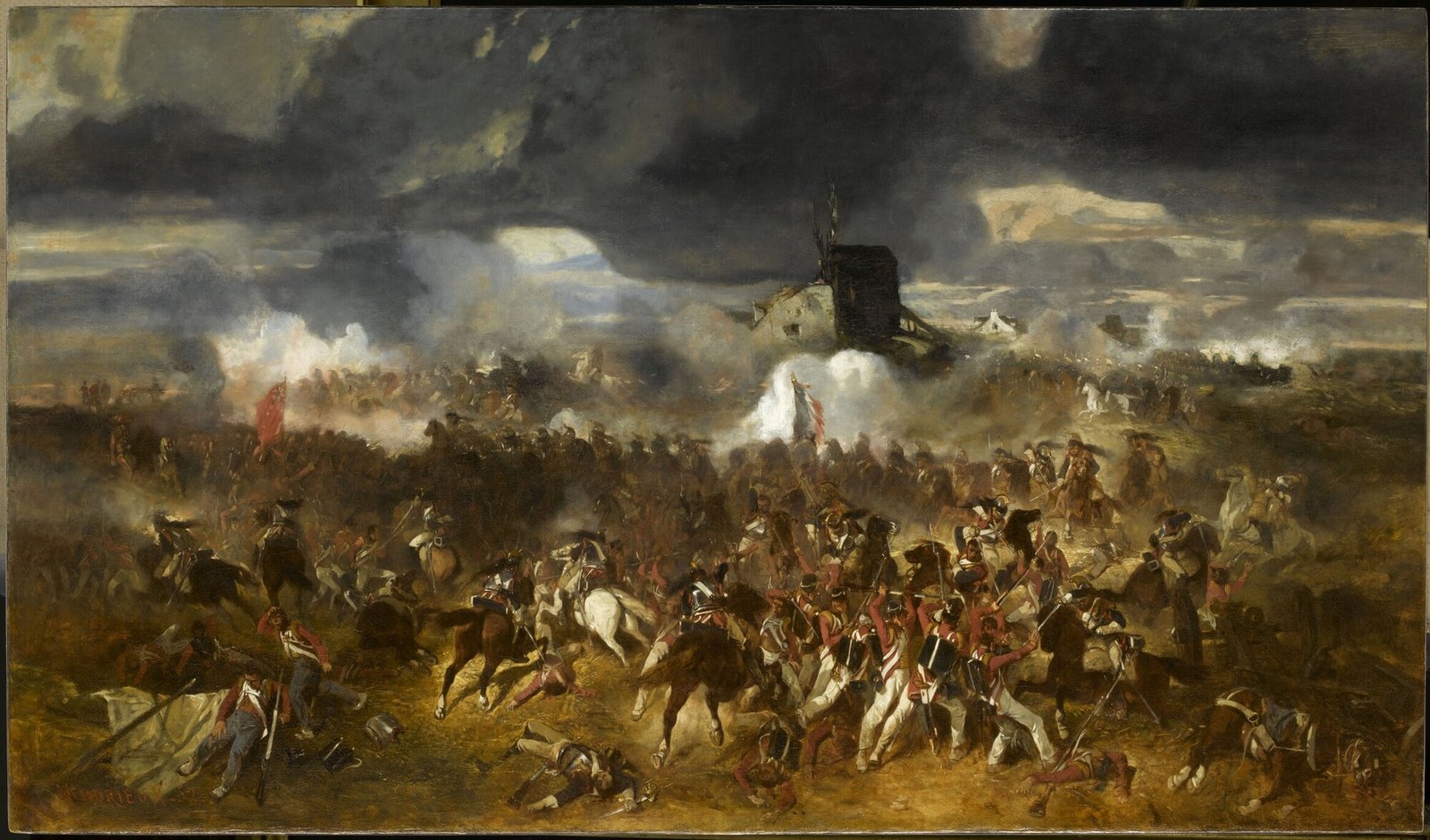
A hundred days from Elba to Waterloo. The design was the same one that had worked for nineteen years; what had gone was the layer of people who turned a design into execution.