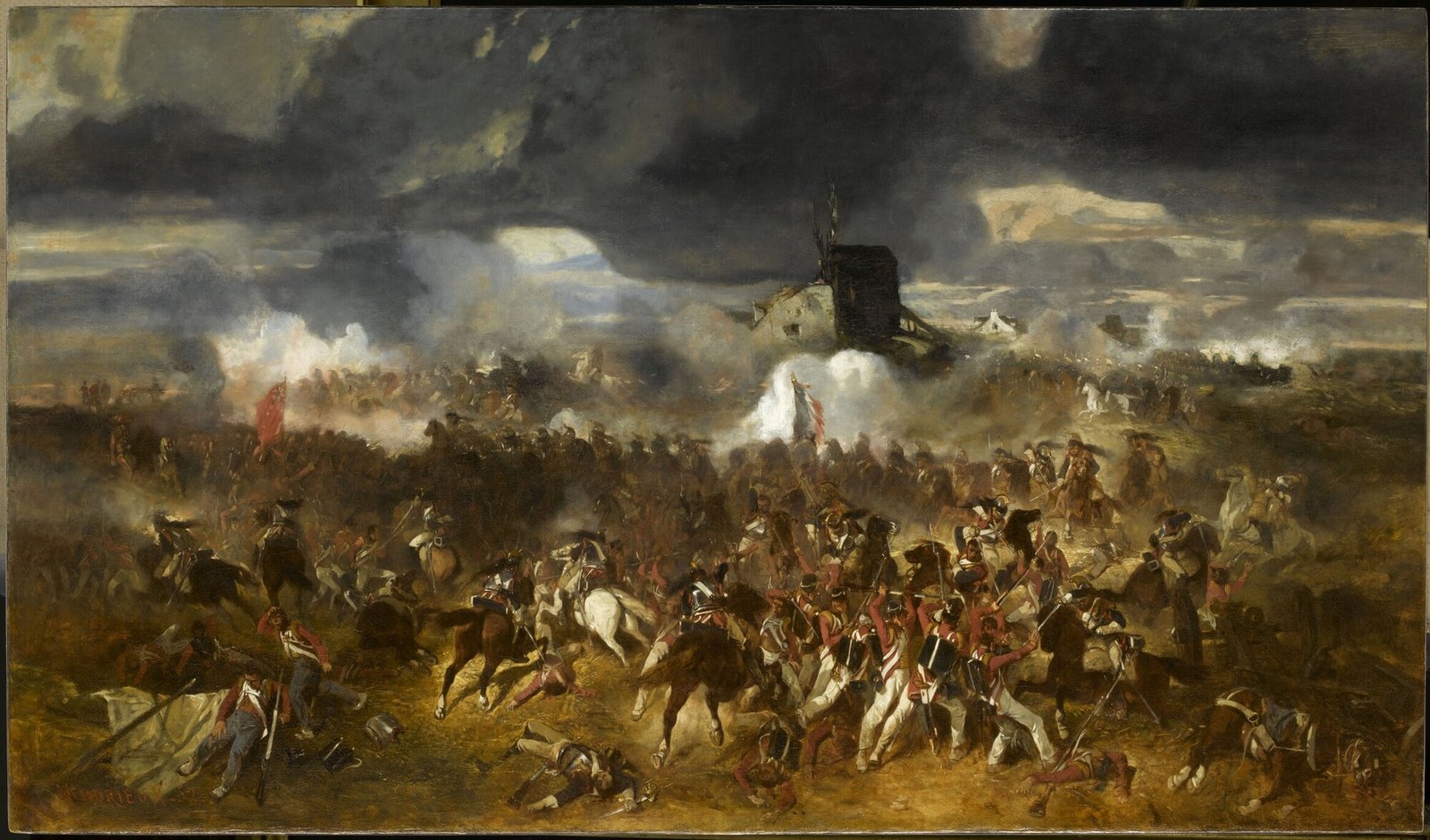
He escaped from Elba on 26 February 1815 and it ended a hundred days later at Waterloo. The reasons usually given for the defeat are his health, the weather and "if only Grouchy had". Read structurally, none of those is the point. The design held. What broke was the work of turning a design into something real.
1. What this war was played for
Europe would not treat the restored Emperor as someone to negotiate with. Mobilisation began on four fronts. At that point the ratio stood at about 250,000 French against some 850,000 allies[2]. Every week that passed widened it.
So there was only one condition for victory: beat the separated enemies in turn, before they finish concentrating. What could be sent into Belgium was about 124,000 to 126,000 men and some 350 guns, and facing them, still apart, were Wellington's Anglo-allied army and Blucher's Prussians[2].
As a conception this is exactly the use of interior lines established in the first Italian campaign. The same design as nineteen years earlier, chosen for the same reason.
2. The design was right
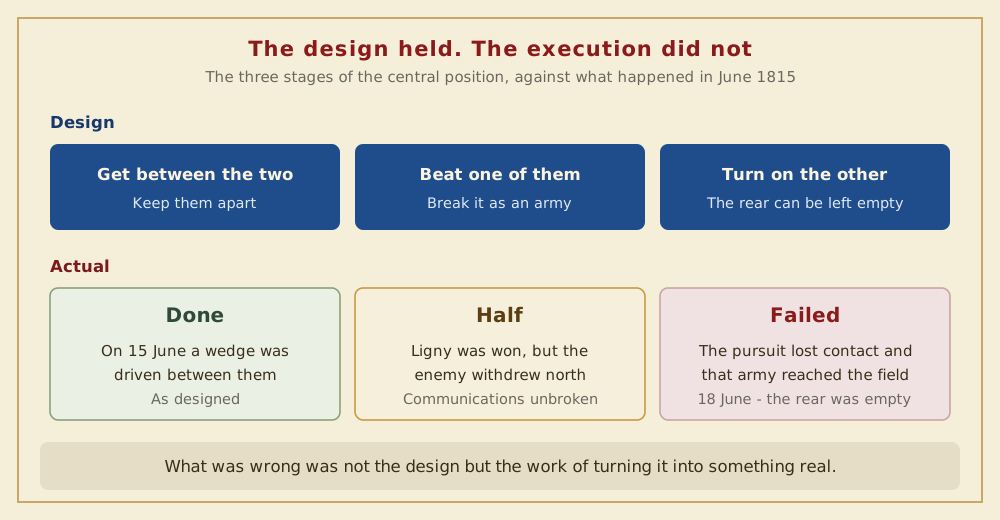
On 15 June a wedge was driven between the two enemy armies. The first stage came off. On the 16th two battles were fought at once, and at Ligny the Prussians took a heavy blow. So far the design holds.
The problem was the quality of the win. The Prussian army was beaten but did not break, and it withdrew not east along its line of retreat but north, to Wavre - the direction that kept it in touch with Wellington[1]. The separation had been made in form, but not maintained.
Only on the afternoon of the 17th was Grouchy given some 33,000 men and ordered to pursue. The detachment was late and its object vague. On the 18th that force was towards Wavre, while about 48,000 to 50,000 Prussians appeared on the field of Waterloo[3]. The one premise that had collapsed was the assumption that the rear could be left empty.
3. The day 20,000 men joined neither battle
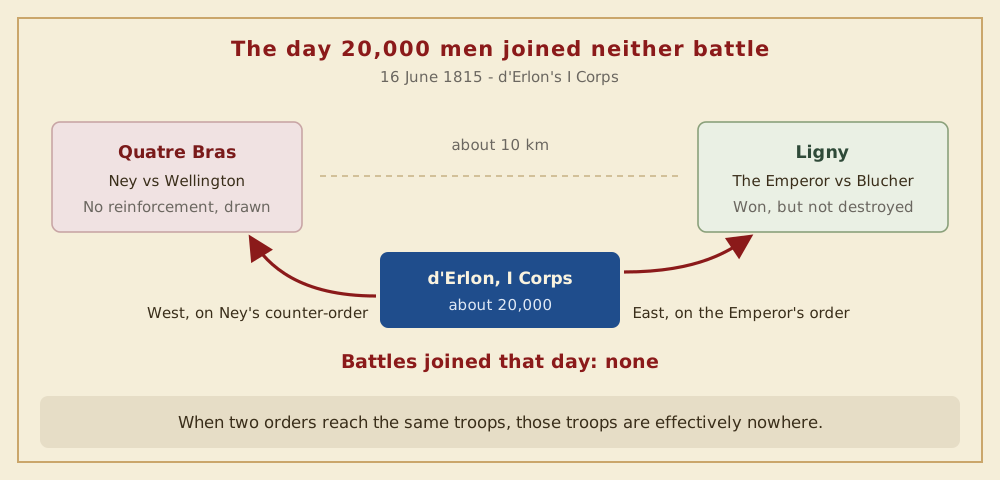
On 16 June two battles were fought simultaneously about ten kilometres apart. At Quatre Bras Ney faced Wellington; at Ligny the Emperor faced Blucher. Either would have been settled by reinforcement.
The corps that could have been that reinforcement, d'Erlon's I Corps, was on its way to Quatre Bras when an order from the Emperor turned it towards Ligny, and then a counter-order from Ney turned it back. Some 20,000 men spent the day marching between two battlefields and fought in neither[4].
This is not a failure of judgement. It is a failure to prevent a state of affairs in which two men could give orders to the same corps. Designing the chain of command is staff work, and the chief of staff was not present in this campaign.
4. The layer that executes was missing, man by man
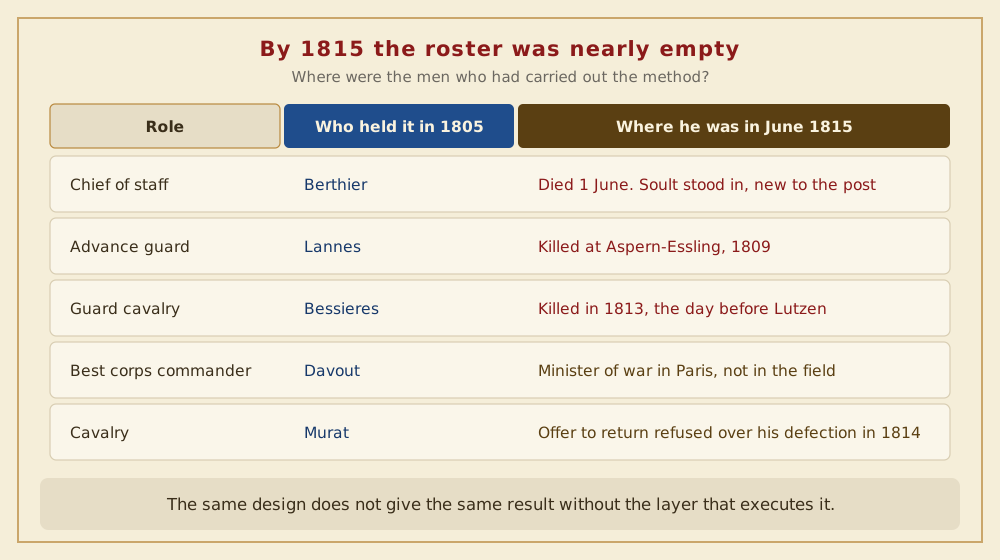
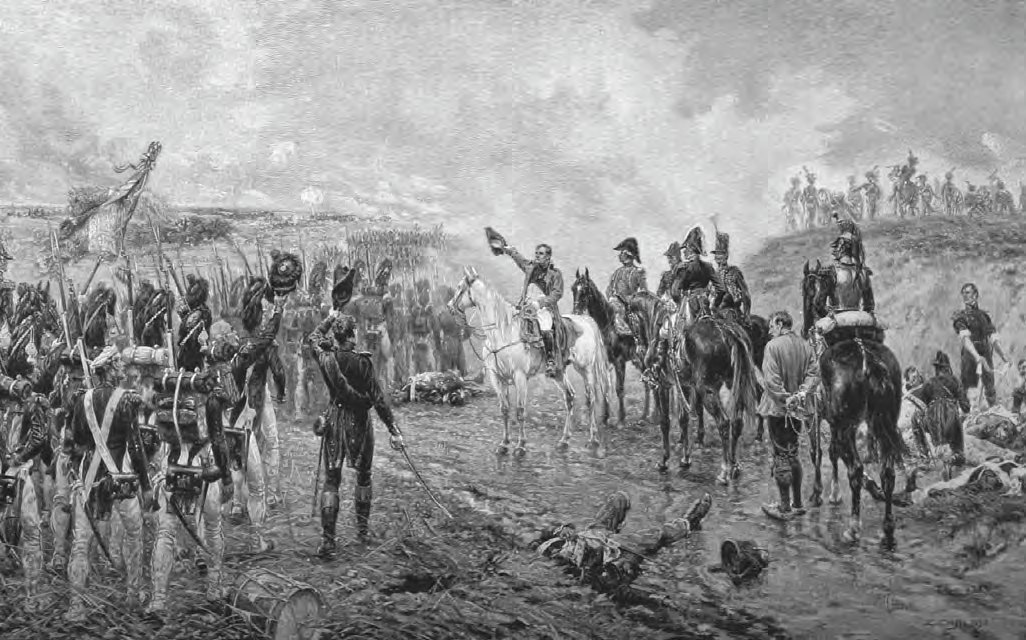
Berthier, chief of staff for twenty years, died on 1 June 1815 after a fall from a window at Bamberg[5]. The post was filled by Soult, able as a corps commander but new to this work[5]. The repeated vagueness of the orders is less a matter of individual negligence than of who had been put where.
And it was not one man missing. Lannes was killed in 1809, Bessieres in 1813. Davout, the best corps commander available, stayed in Paris as minister of war and never reached the field[6]. Murat offered to return and was refused on account of his defection the previous year[5].
Who was on the field in June 1815
-
Emperor
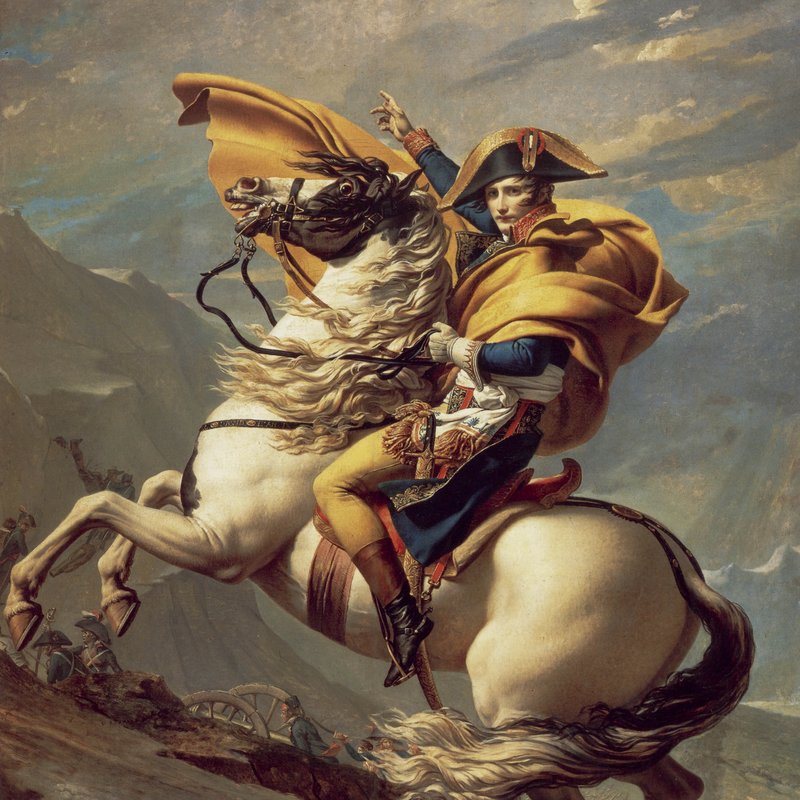 Napoleon (45)
-
Chief of staff
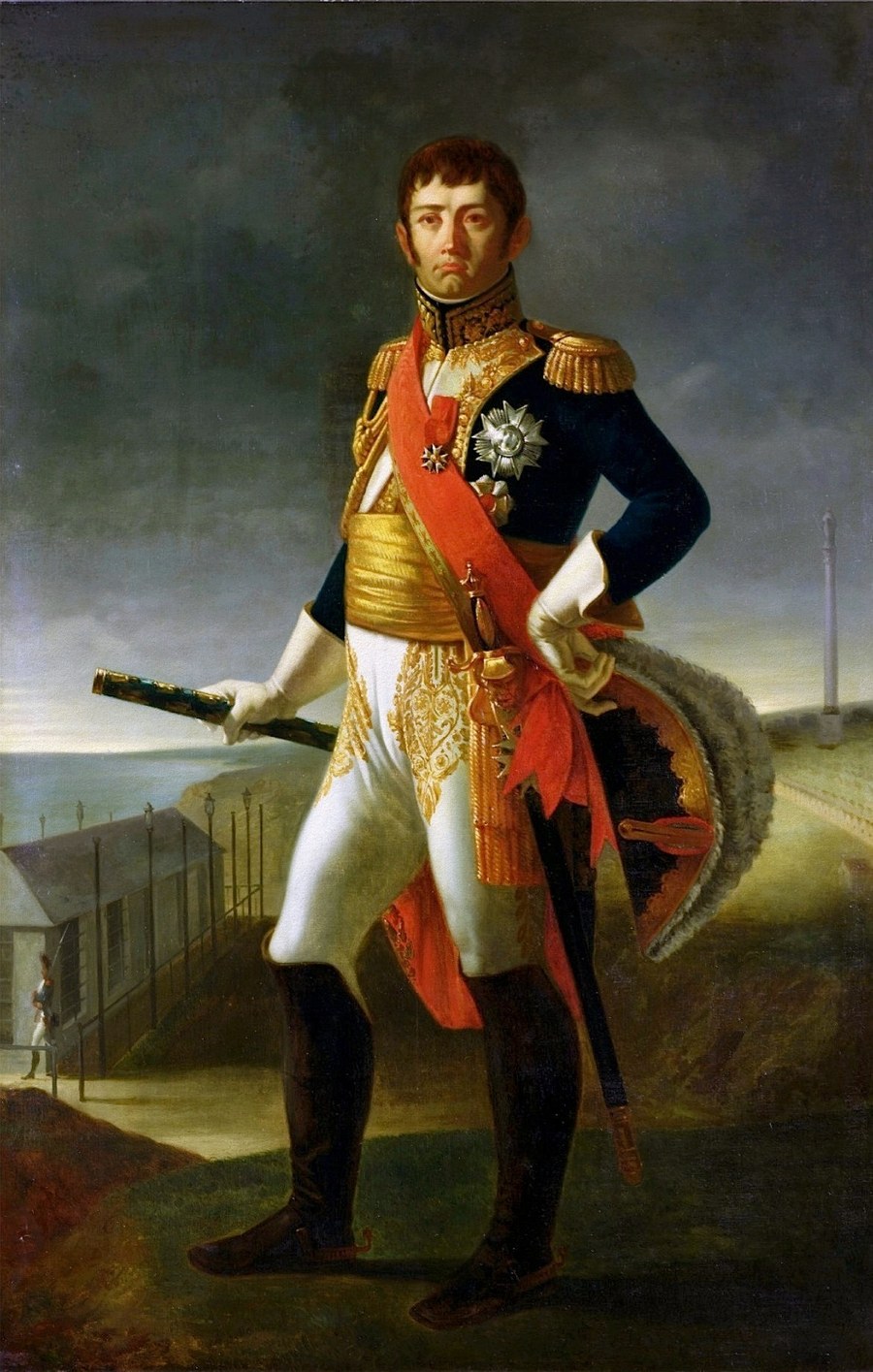 Soult (not his own trade; 46)
-
Left wing
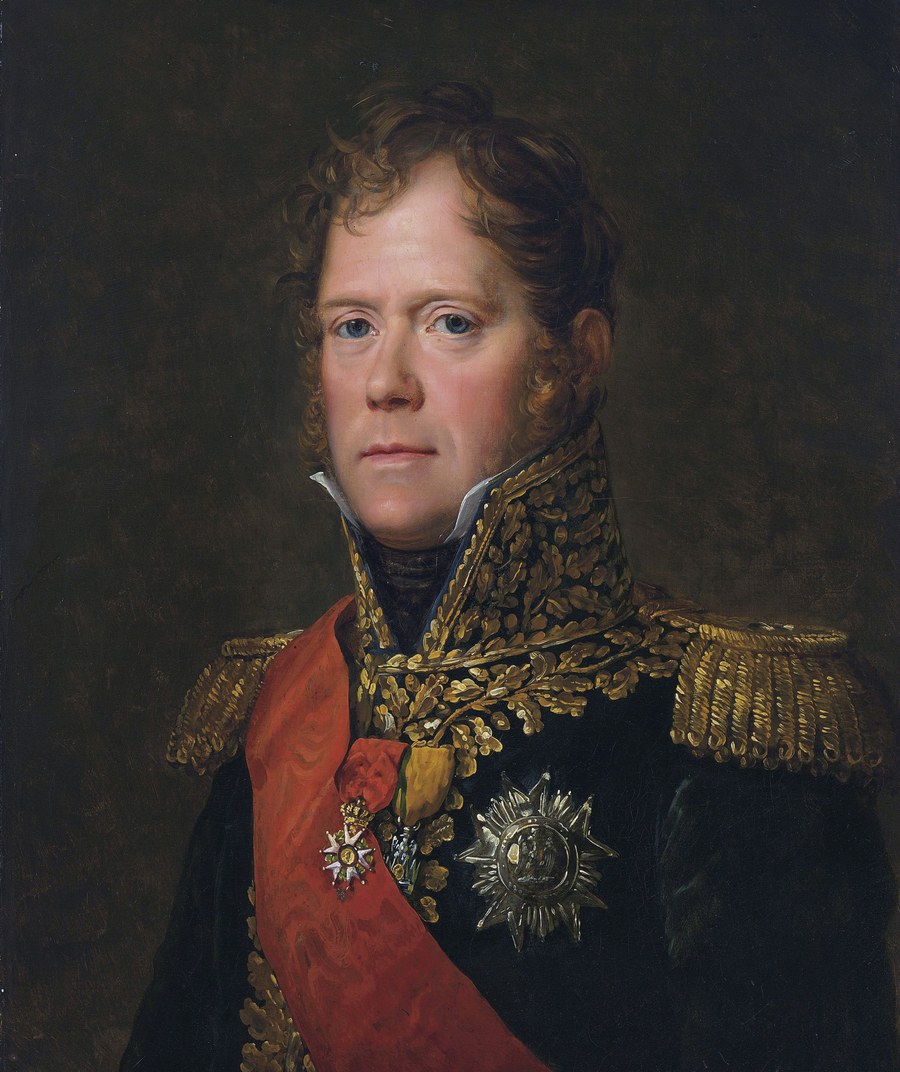 Ney (Quatre Bras and Waterloo; 46)
-
Right wing
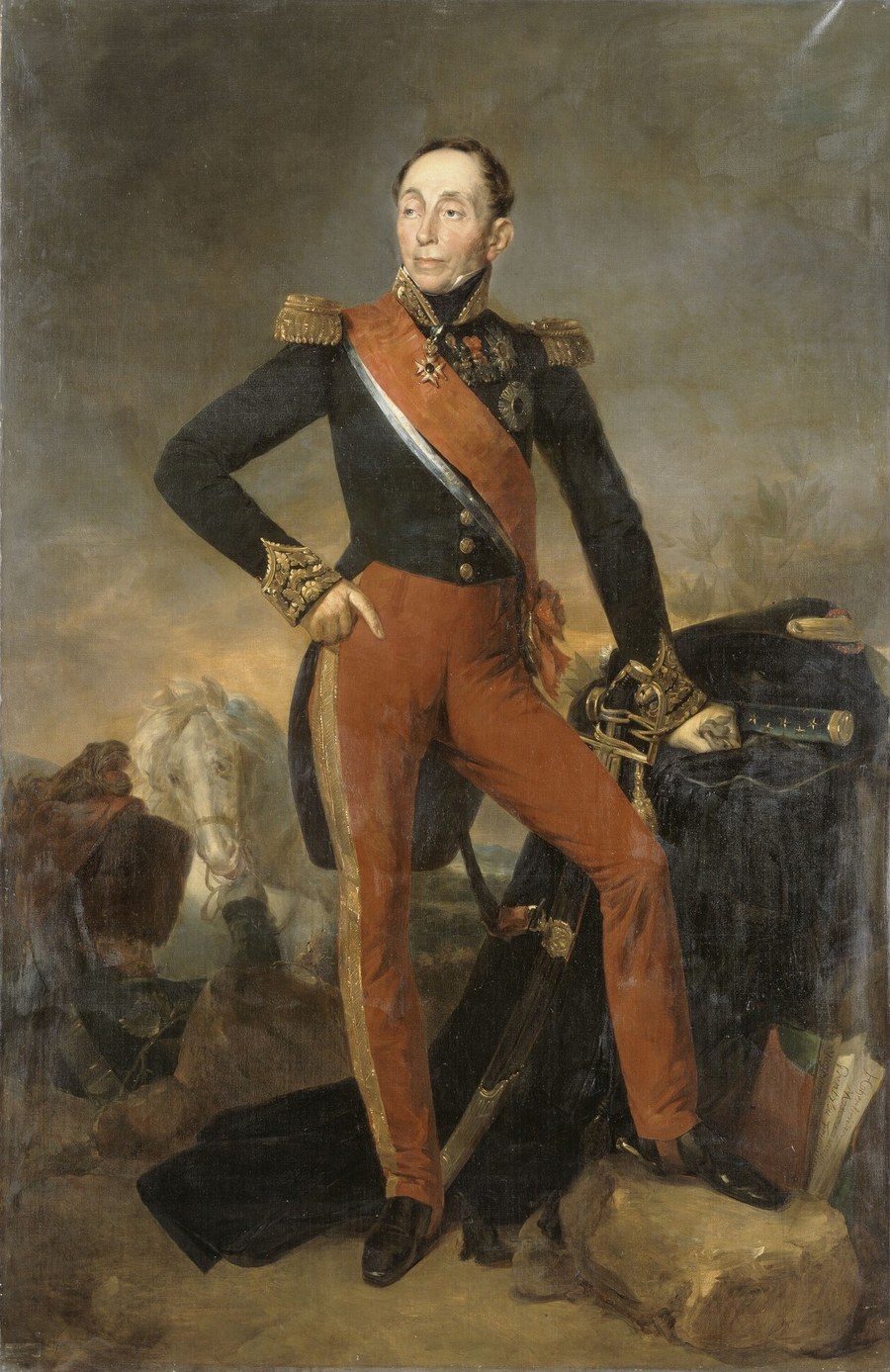 Grouchy (absent with some 33,000; 48)
Who was not there that day
-
Chief of staff
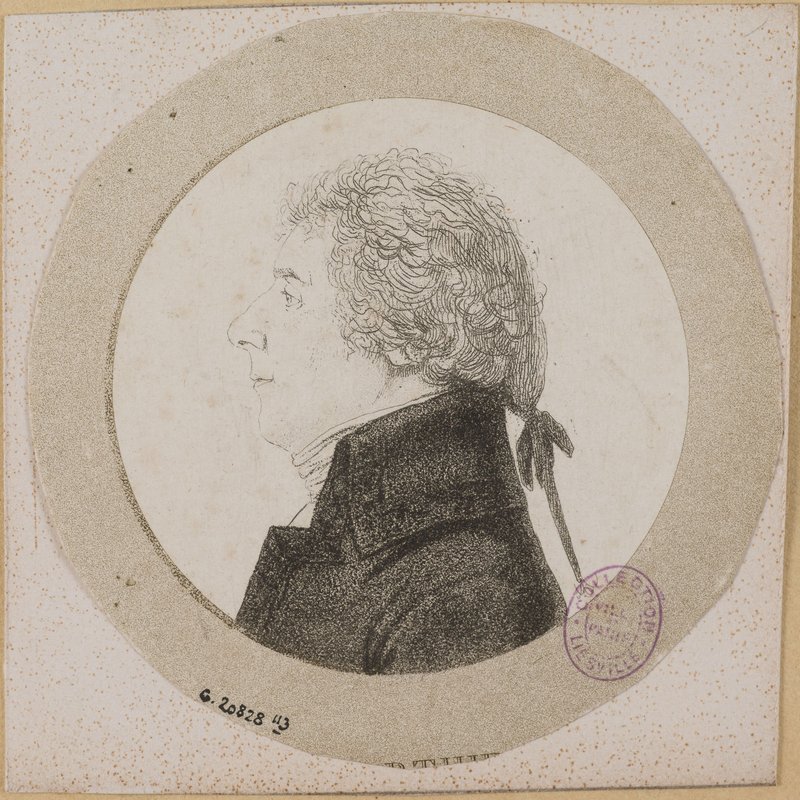 Berthier (died 1 June; 61)
-
Corps commander
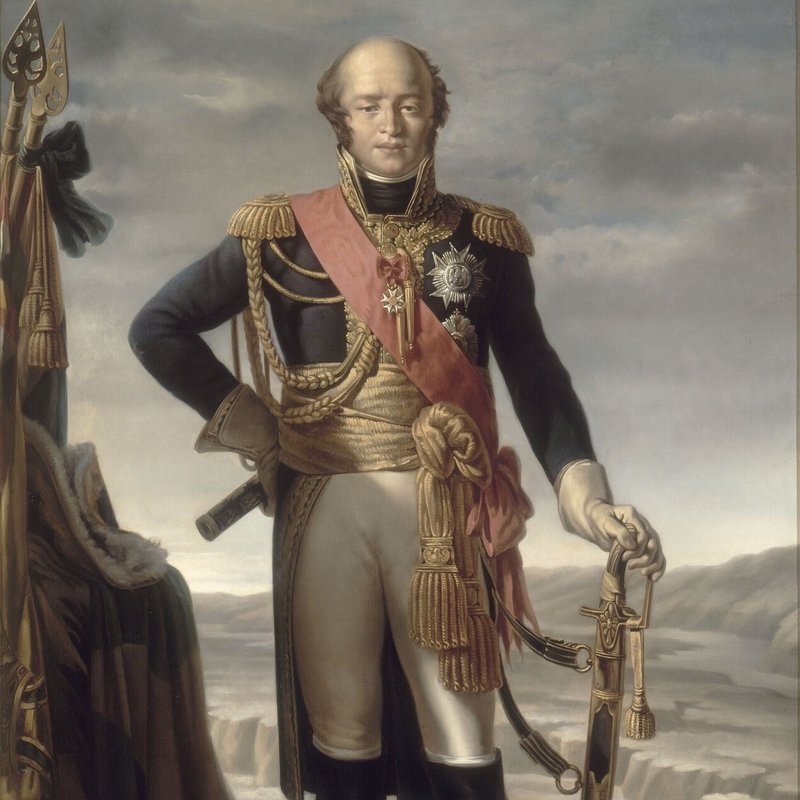 Davout (minister of war, in Paris; 45)
-
Cavalry
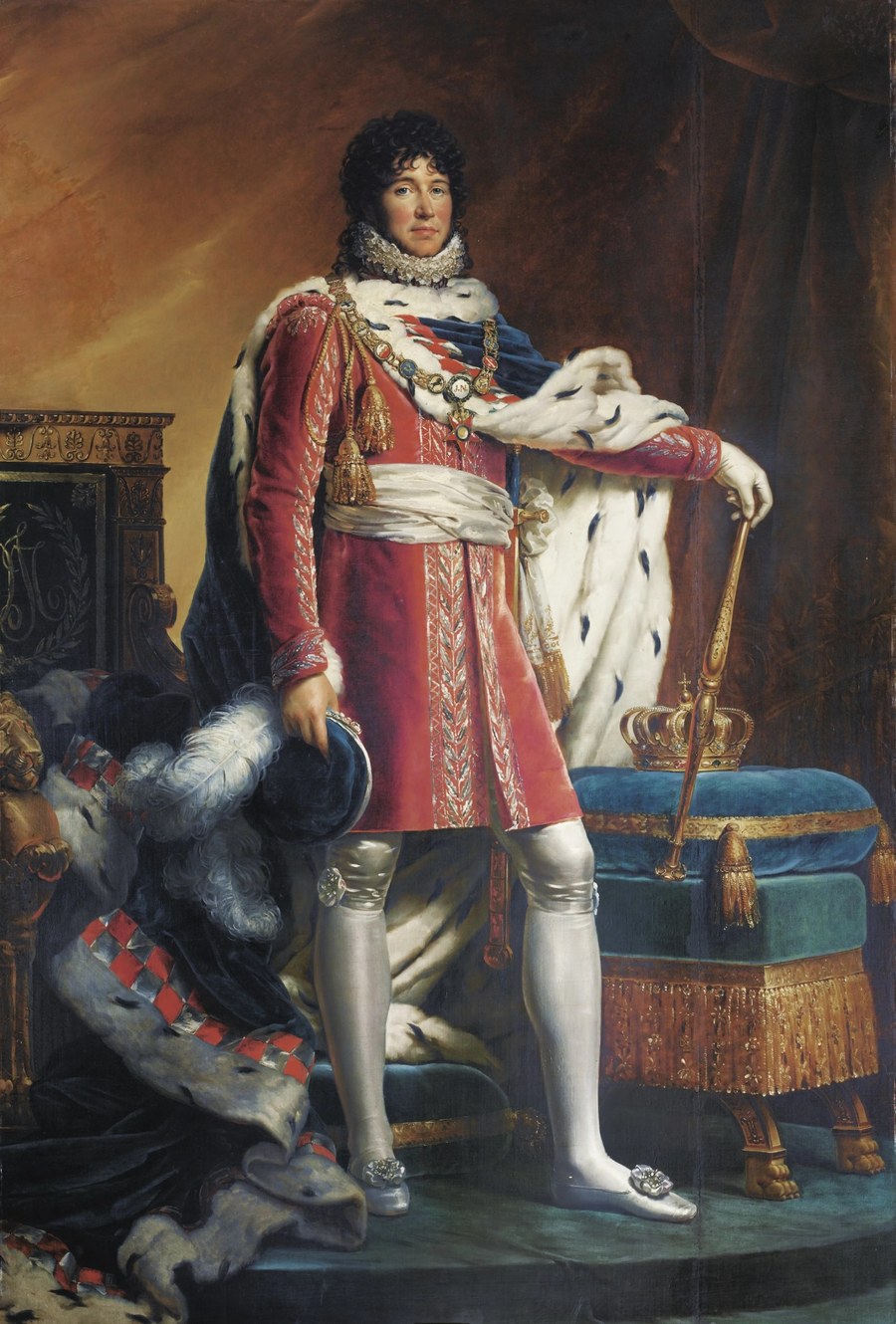 Murat (his offer refused; 48)
-
Advance guard
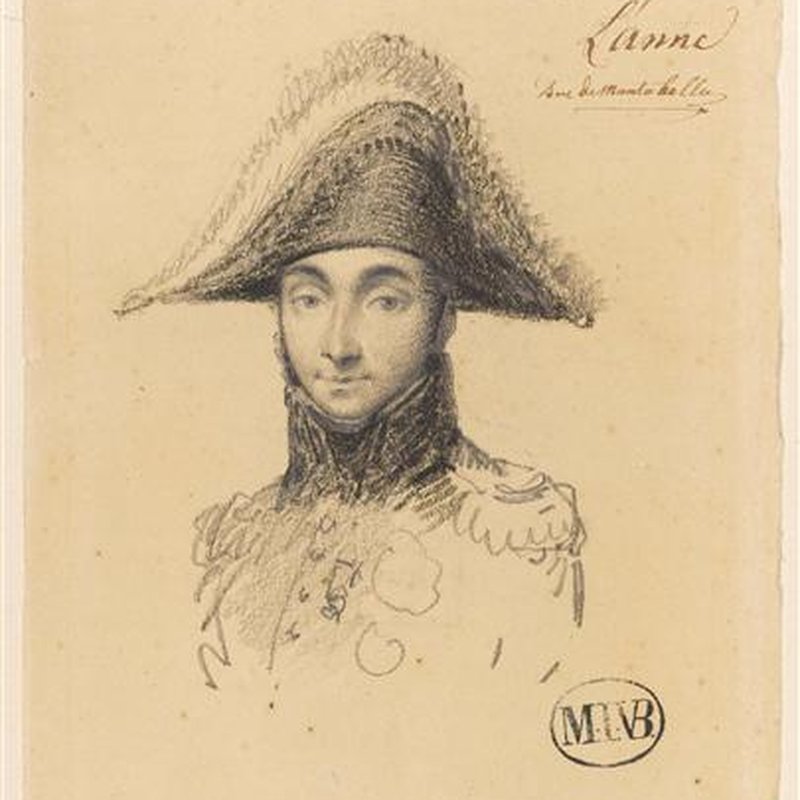 Lannes (killed in 1809; 40)
There had once been a day won on a field the Emperor was not on
On 14 October 1806, at Auerstedt, Davout beat the Prussian main army of about 63,000 with some 26,000 of his own. The Emperor was on another field. There was a moment when the method really had transferred to another man. In 1815 that same Davout was minister of war in Paris. The redundancy never became an institution; it was simply a period during which the right people happened to exist. What separates the War of the Fourth Coalition from 1815 is not the method but whether anyone who held it was on the ground.
5. Four things that decided this campaign
Separated, but not kept separated
Ligny was won and the enemy withdrew north with his communications unbroken[1]. Separation is not made once; it is work that has to be renewed daily.
Two chains of command ran at once
On 16 June some 20,000 men marched between two fields and joined neither[4]. Deciding who may give orders to whom is design work, not tactics.
There was no chief of staff
Berthier died just before the campaign and Soult stood in without experience of the post[5]. Distributing orders accurately existed as a job, not as a talent.
Time was the enemy from the start
About 250,000 men against an allied mobilisation approaching 850,000[2]. Where one missed decision ends the war, a small failure of execution is immediately fatal.
6. If the conditions had been different
What follows is a thought experiment based on the sources. The outcomes cannot be demonstrated; the point is to make the dependencies between the elements visible.
| Condition changed | Immediate consequence | Effect on the campaign |
|---|---|---|
| A: d'Erlon's corps committed to one field or the other | Either Quatre Bras or Ligny is settled | If the Prussian army had broken, no third army reaches the field on the 18th. This single day is the highest-value branch of all |
| B: Berthier still alive | Addressing and priority of orders are put in order | Double orders become unlikely. But the disparity in numbers is unchanged, so it most likely only brings the reckoning forward |
| C: Davout in the field and someone else in Paris | One wing is commanded appreciably better | Control of the capital loosens. When there are not enough people, wherever you put one, somewhere else is left open |
None of the three guarantees victory. But A and B both mean the same thing: the same design turned more accurately into something real.
7. What it settled
Four days after the defeat of 18 June he abdicated, on 22 June. Paris was given up in July and the Empire ended. Twenty years of war closed with three battles in four days in Belgium.
Seen at longer range, this campaign is the final form of a theme running from 1813. In the War of the Sixth Coalition the problem was that the method lived in one head and had never been moved into the organisation. By 1815, even the executants who had stood around that head were gone. The design survived; the number of people who could read it had fallen.
8. What it suggests today
(1) A strategy that cannot be executed is an incomplete strategy. A correct design produces nothing without the work that turns it into something real. The common mistake is to try to assign a failure either to conception or to execution, when designing within what can actually be executed is itself the design job. The strain here came from using a nineteen-year-old design in an organisation whose people had been replaced.
(2) Overlapping chains of command destroy output faster than any shortage of ability. Because a state in which two men could order the same corps was left standing, 20,000 men spent a day doing nothing. Deciding who may direct whom is unglamorous work for which there is no substitute. When the person who does it disappears, what is lost is not efficiency but the meaning of an order.
9. Closing
The Hundred Days is easily told as an ageing genius declining and losing. Yet following the movements from 15 to 18 June, there is almost no decline visible on the side of conception. The wedge was driven; the two enemies were, for a moment, apart.
What broke was the route by which the conception reached the ground: the man who distributes the orders, the men who receive them and judge for themselves, the experience that supports that judgement. What twenty years had failed to build was not a replacement for the genius, but the reproduction of the layer that turns a genius into execution.
Before this came the War of the Sixth Coalition. With this campaign the series ends.
Sources
- Wikipedia contributors, Waterloo campaign.
- Wikipedia contributors, Hundred Days.
- Fondation Napoleon, The Battle of Waterloo, 18 June 1815.
- The Napoleon Series, The Key to Victory: General d'Erlon's I Corps, 16 June 1815.
- Encyclopaedia Britannica, Louis-Alexandre Berthier, prince de Wagram.
- Fondation Napoleon, Davout, Louis Nicolas.
- David G. Chandler, The Campaigns of Napoleon, Macmillan, 1966.